The Ultimate Guide to Athens: The Eternal Heart of Greece
Athens is a city where every stone tells a story of gods, heroes, and the very foundations of Western civilization. As you step into this sun-drenched metropolis, you aren’t just visiting a capital; you are walking through the birthplace of democracy, philosophy, and theater. In 2026, Athens continues to evolve, blending its heavy historical heritage with a thriving contemporary art scene, world-class gastronomy, and a nightlife that rivals any major European city. Whether you are using it as a stopover before your ferry or as a primary destination, Athens demands your full attention.
Things to know about Athens
Geographically, Athens is located in the Attica region, sprawling across a central basin surrounded by four majestic mountains: Parnitha, Penteli, Hymettus, and Aigaleo. Historically, it is one of the world’s oldest cities, with recorded history spanning over 3,400 years. It reached its ‘Golden Age’ in the 5th century BC under Pericles. For a traveler, the ideal trip length is at least 3 to 4 full days. This allows you enough time to cover the major archaeological sites without rushing and still leave room to explore the ‘Athens Riviera’ or the vibrant neighborhoods of Psiri and Koukaki. Athens is world-famous for the Acropolis, the Parthenon, and for being the cradle of Western thought.
Top attractions in Athens
The Acropolis and the Parthenon
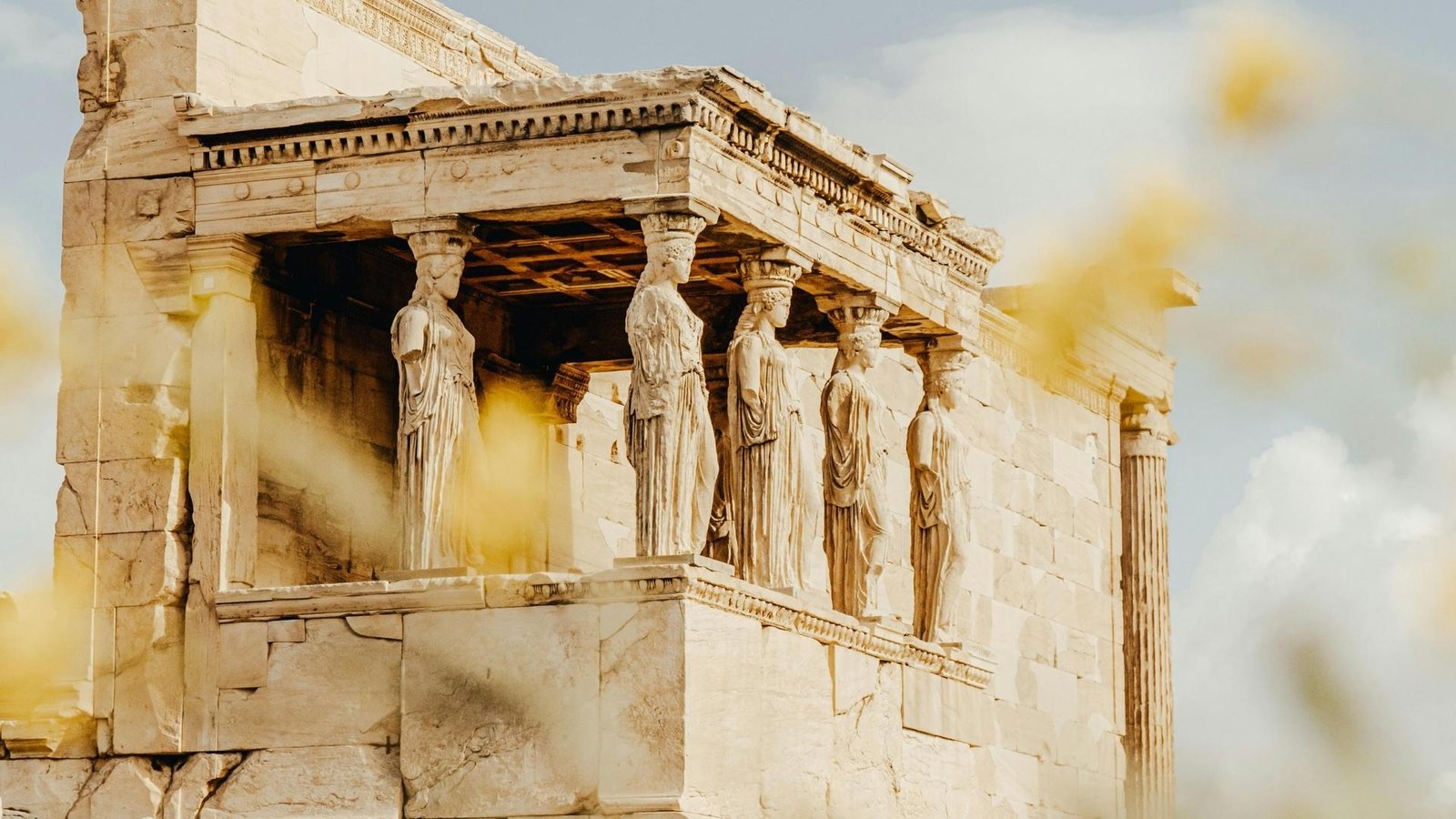
Rising majestically above the city, the Acropolis is the most iconic landmark of Greece. The Parthenon, dedicated to the goddess Athena, is a marvel of Doric architecture. Visitors should aim for an early morning entry to avoid the midday heat and the largest crowds. The views from the top provide a 360-degree panorama of the entire Attica basin, stretching all the way to the Saronic Gulf.
The Acropolis Museum
Located at the foot of the hill, this modern architectural masterpiece houses every artifact found on the rock and the surrounding slopes. The top floor, the Parthenon Gallery, is oriented exactly like the temple itself, allowing you to see the friezes in natural light with a direct view of the actual Acropolis through the glass walls.
The Ancient Agora
Once the heart of ancient Athenian public life, the Agora was where Socrates debated and merchants traded. Today, it is a lush, green archaeological park featuring the incredibly well-preserved Temple of Hephaestus and the reconstructed Stoa of Attalos, which now serves as a museum.
Plaka and Anafiotika
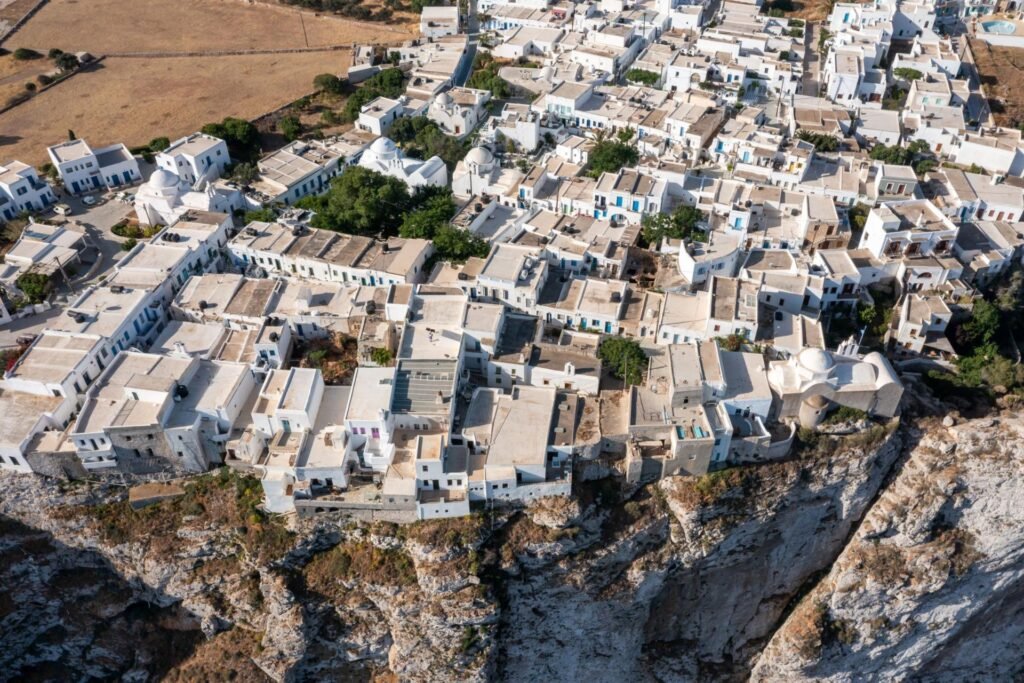
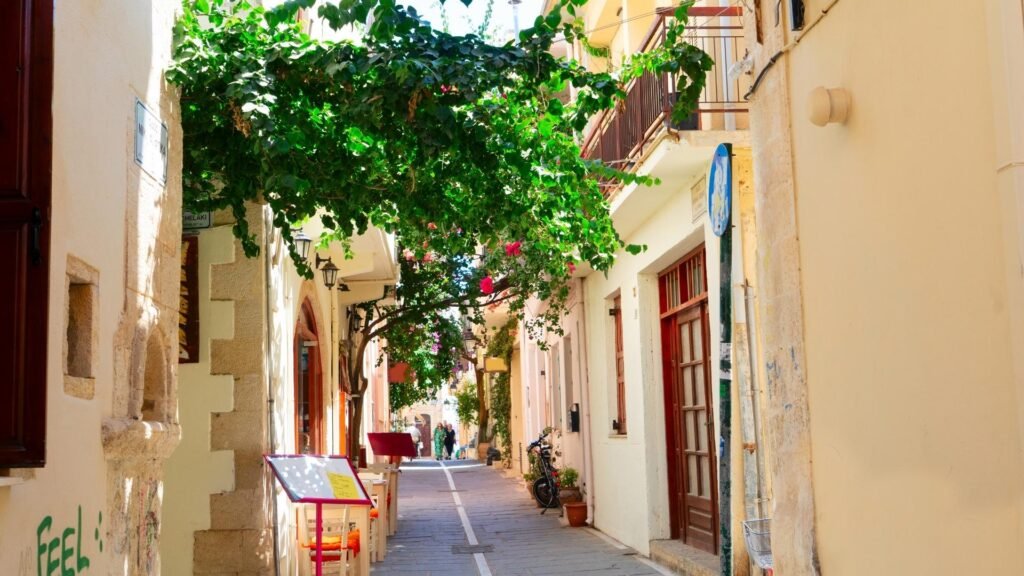
Plaka is the oldest neighborhood in Athens, characterized by neoclassical houses and narrow alleys. Tucked away above Plaka is Anafiotika, a tiny cluster of whitewashed houses built by settlers from the island of Anafi. Walking through Anafiotika feels like you have been instantly transported to a Cycladic island in the middle of the city.
The National Archaeological Museum
This is the largest archaeological museum in Greece and one of the most important in the world. It houses the Mask of Agamemnon, the Antikythera Mechanism, and an unparalleled collection of ancient Greek sculpture that tracks the evolution of art from the Neolithic to the Roman periods.
Syntagma Square and the Changing of the Guard
The central hub of modern Athens, Syntagma is home to the Greek Parliament. Every hour, the Evzones (elite presidential guards) perform a ceremonial change of the guard in front of the Tomb of the Unknown Soldier. Their traditional uniforms and highly synchronized movements are a must-see for every visitor.
Mount Lycabettus
For the highest point in Athens, take the funicular or hike up Mount Lycabettus. The summit features the small white chapel of St. George and a viewing platform that offers the best sunset views in the city. On a clear day, you can see all the way to the ships docked in Piraeus.
The Temple of Olympian Zeus
Once the largest temple in Greece, these colossal ruins still feature 15 remaining Corinthian columns. It stands as a testament to the ambitious building projects of the Roman Emperor Hadrian and offers a quiet, open space to appreciate the scale of ancient engineering.
The Panathenaic Stadium (Kallimarmaro)
The only stadium in the world built entirely of marble, this was the site of the first modern Olympic Games in 1896. You can walk on the track where athletes once competed and visit the small museum inside that houses Olympic torches from various eras.
Monastiraki Flea Market
Monastiraki is a sensory explosion of antique shops, street food vendors, and bustling crowds. On Sundays, the flea market expands into a massive bazaar where you can find everything from vintage vinyl to handcrafted leather sandals. It is the perfect place to experience the multicultural layers of Athenian history.
Island-hopping from Athens
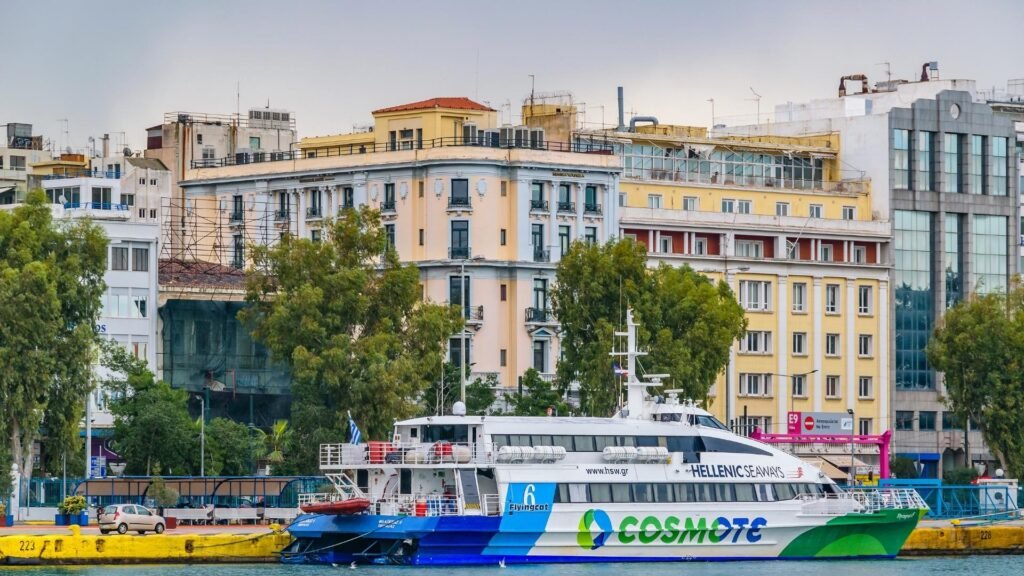
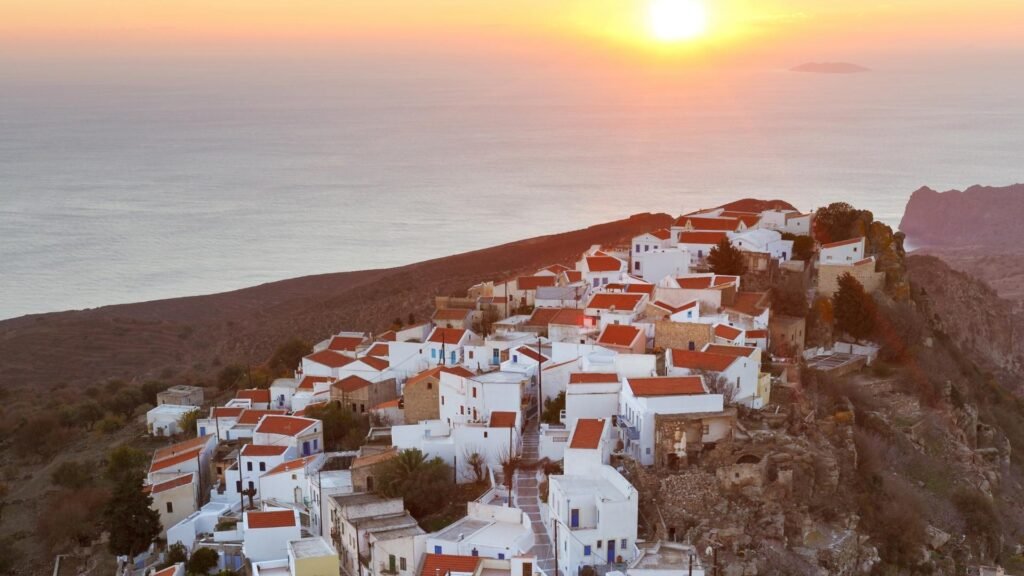
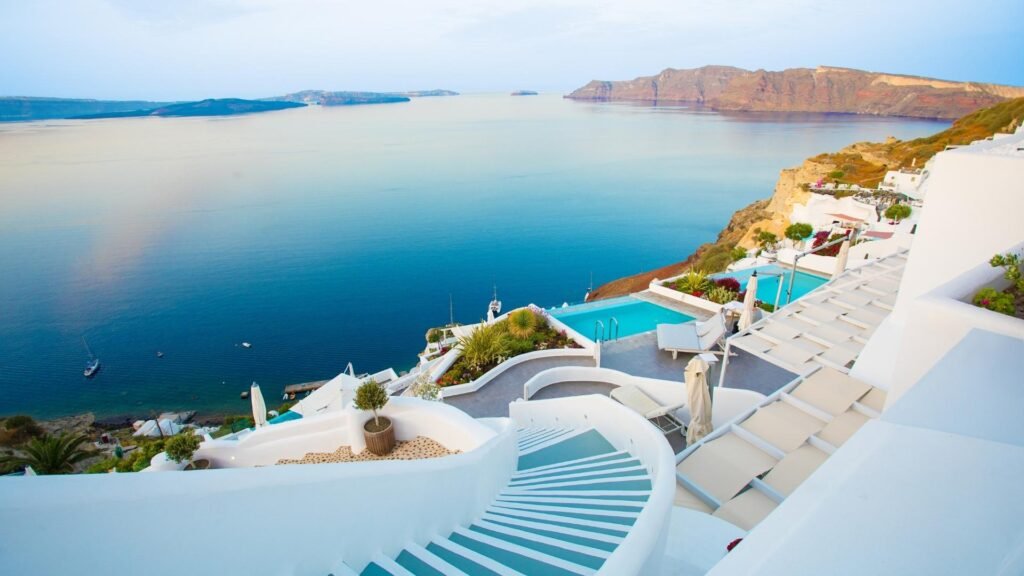
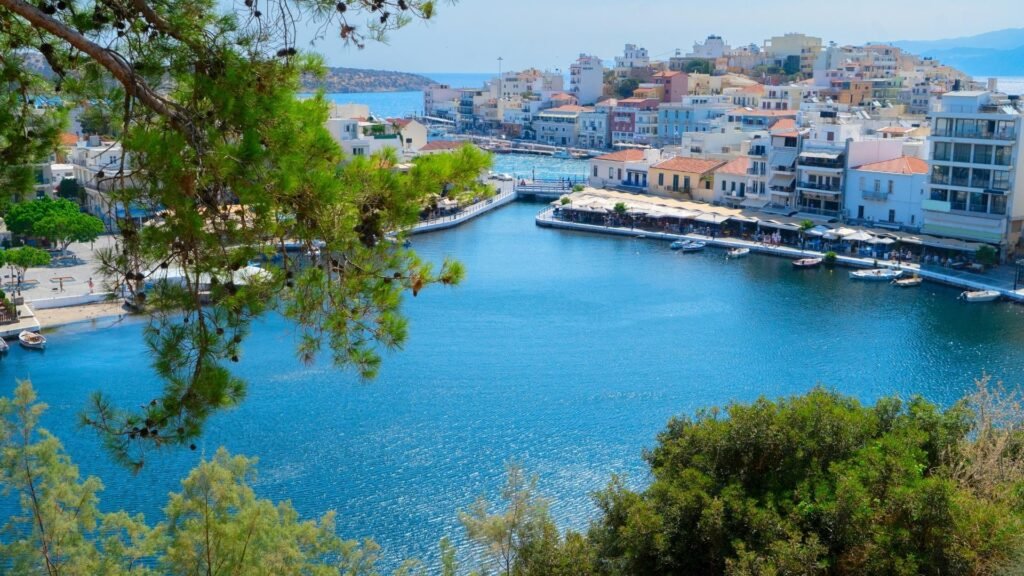
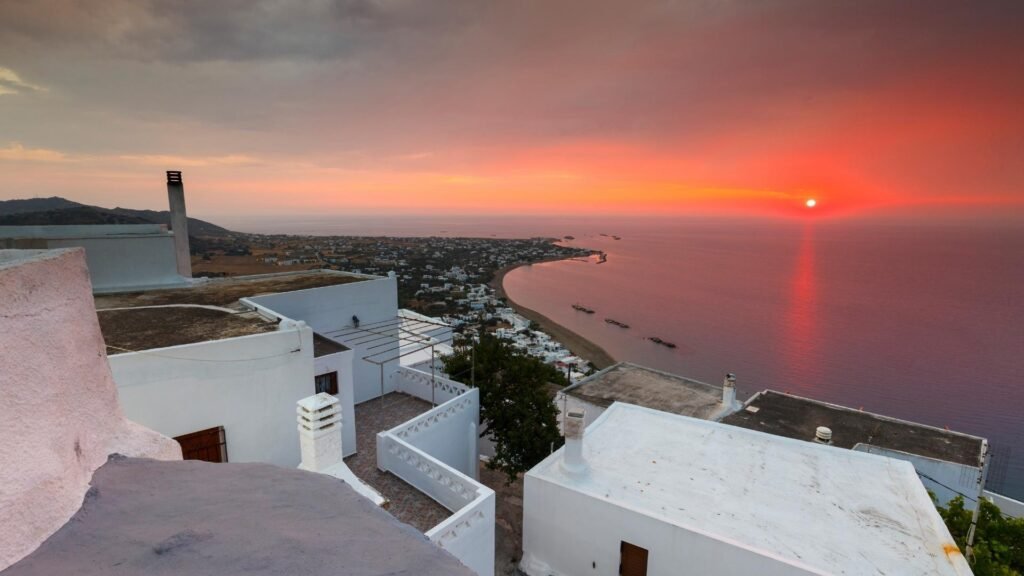
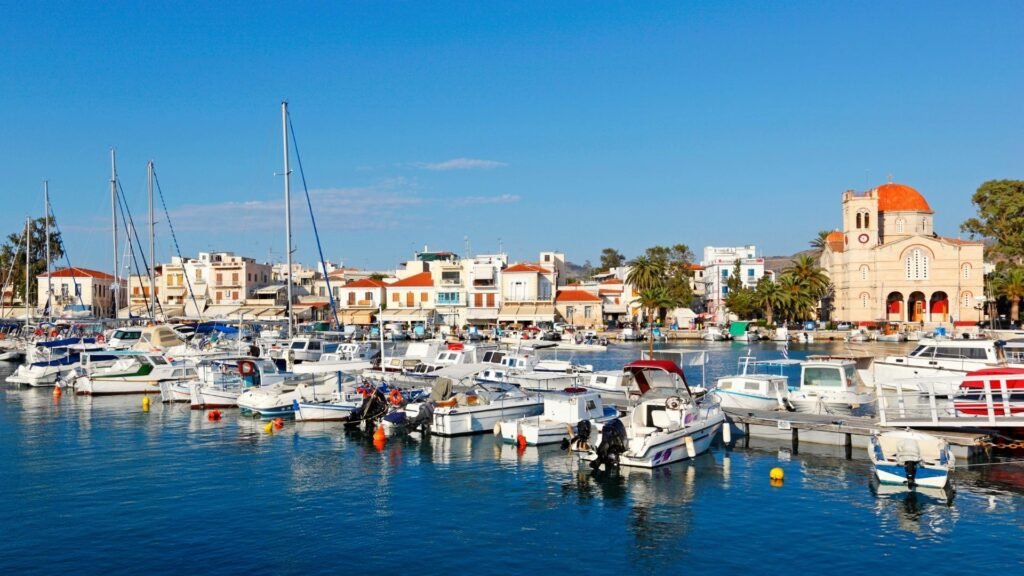
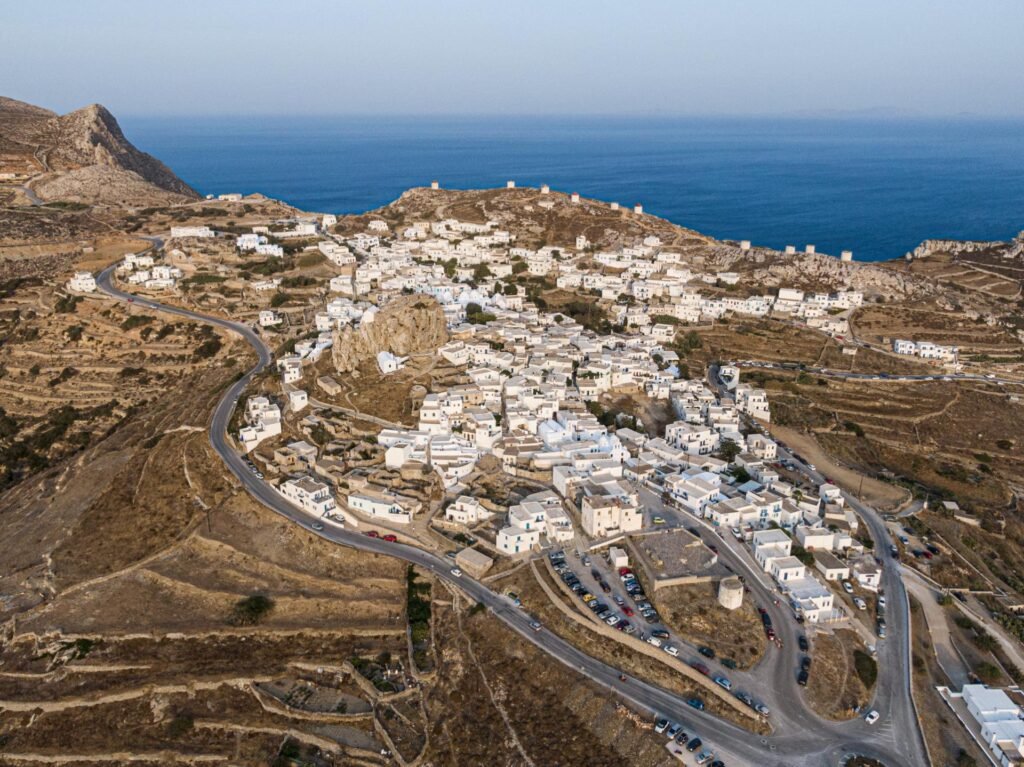
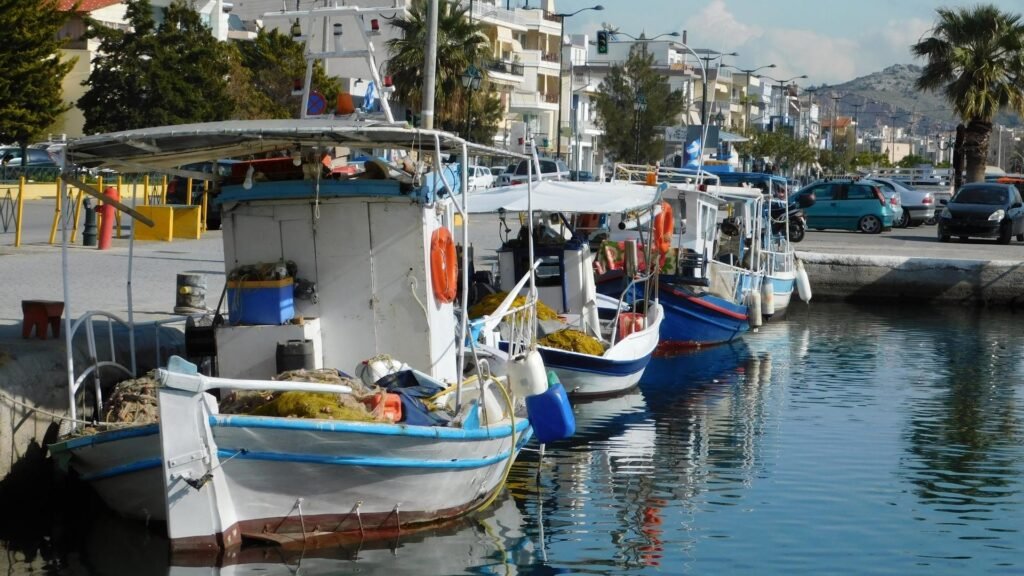
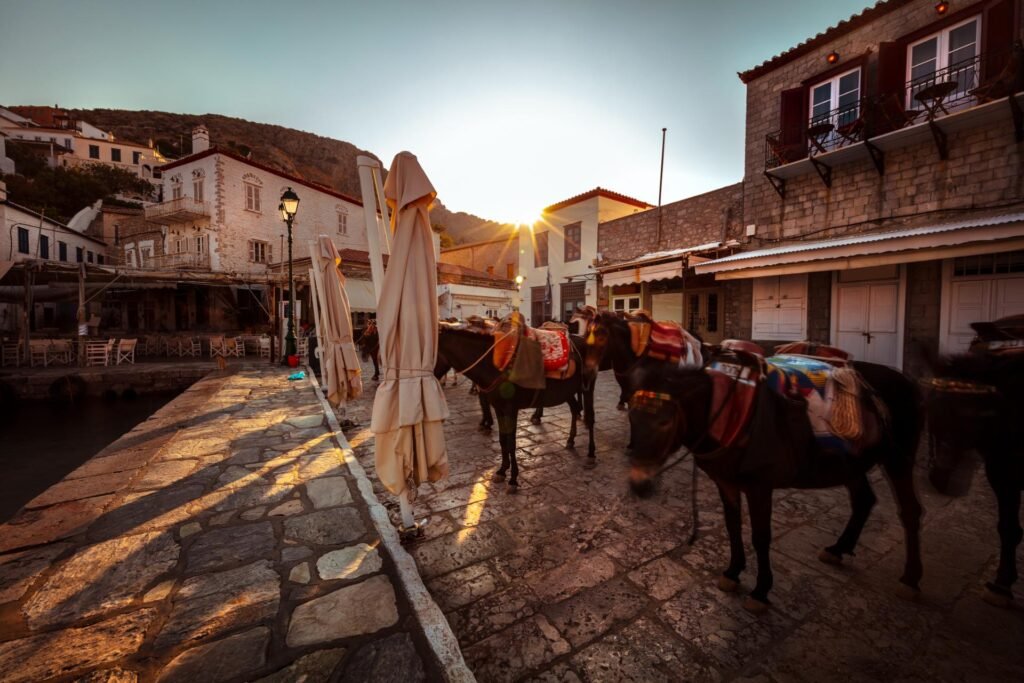
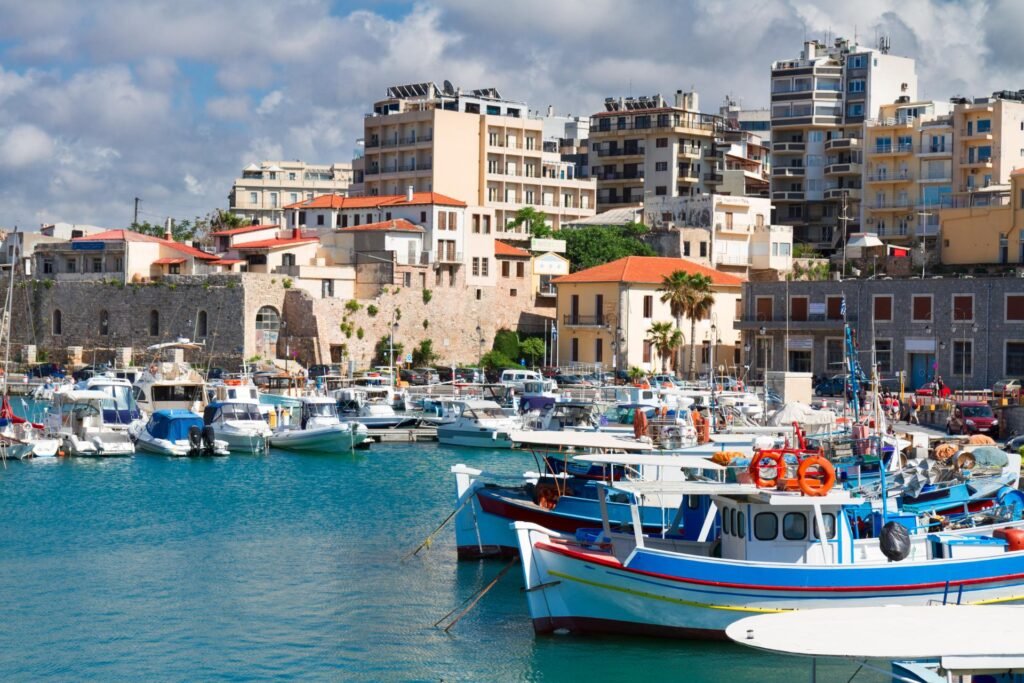
Athens is the undisputed master hub for island hopping. From the Port of Piraeus, you have access to almost every island chain in Greece, including the Cyclades, Dodecanese, and Crete. The port of Rafina is often faster for those heading to Andros or Tinos, while Lavrio serves as the gateway to Kea and Kythnos. For a quick day trip, the Saronic islands like Aegina and Hydra are just an hour away by hydrofoil. Frequent flight connections from Athens International Airport also link the capital to larger islands like Rhodes, Corfu, and Lesbos.