Kos: The Garden of the Aegean and Cradle of Medicine
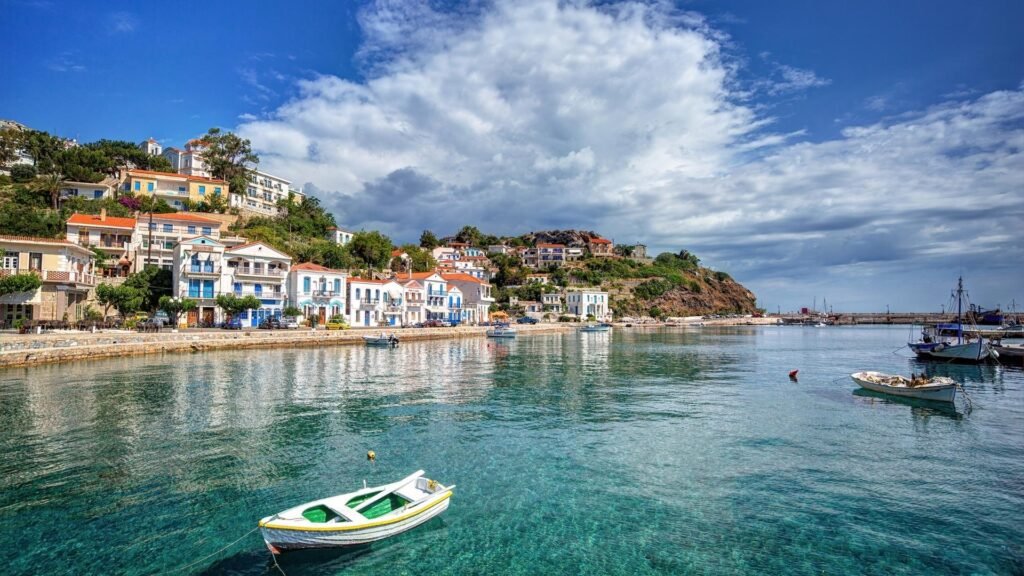
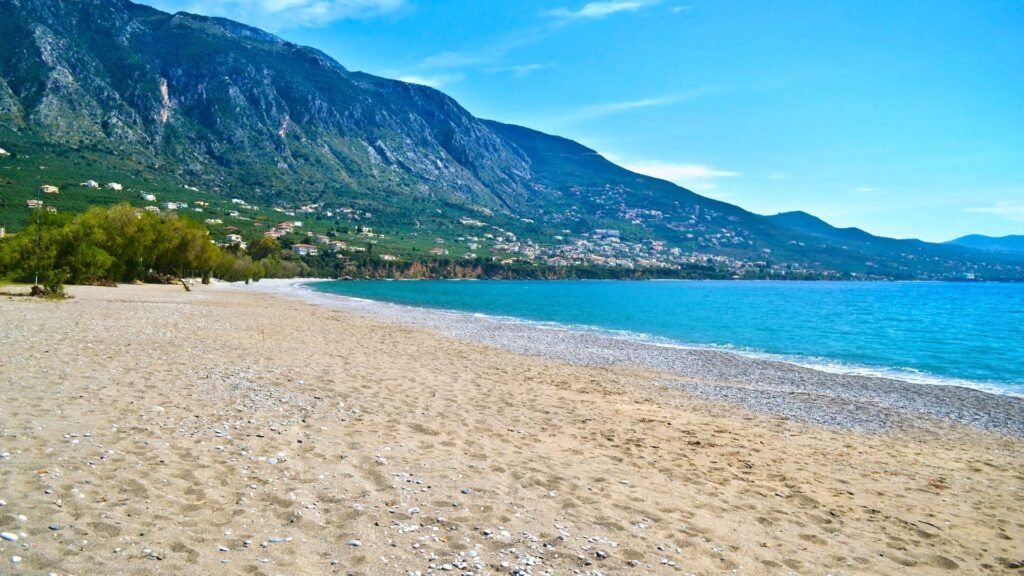
Kos is an island of immense fertility, flat plains, and endless golden beaches. As the birthplace of Hippocrates, the father of modern medicine, Kos has a long tradition of healing and hospitality. In 2026, it stands as one of the most versatile Greek islands—equally appealing to families, history buffs, and cycling enthusiasts. With its unique blend of ancient Greek, Roman, Byzantine, and Ottoman monuments, all situated within a landscape of lush greenery, Kos offers a more relaxed, ‘garden-like’ atmosphere compared to the ruggedness of its neighbors.
Things to know about Kos
Geographically, Kos is the second-largest island in the Dodecanese, located near the Gulf of Gökova. It is remarkably flat, which has made it the ‘cycling island’ of Greece, with miles of dedicated bike paths. Historically, the island thrived as a center of the silk trade and medical learning. An ideal trip length is 5-7 days. It is famous for the Asclepeion (ancient hospital), its proximity to the Turkish coast, and its world-class sandy beaches like Paradise Beach. The local cuisine is also a highlight, particularly the ‘Posa’ cheese (wine-soaked goat cheese) and honey from Antimachia.
Top attractions in Kos
The Asclepeion
The most important archaeological site on the island, the Asclepeion was an ancient healing center and temple dedicated to the god Asclepius. It was here that Hippocrates taught his medical theories. The site is built on a hillside in three levels, offering a magnificent view of the sea and the Turkish coast. Even today, the ‘Hippocratic Oath’ is recited here in special ceremonies.
Kos Town and the Harbor
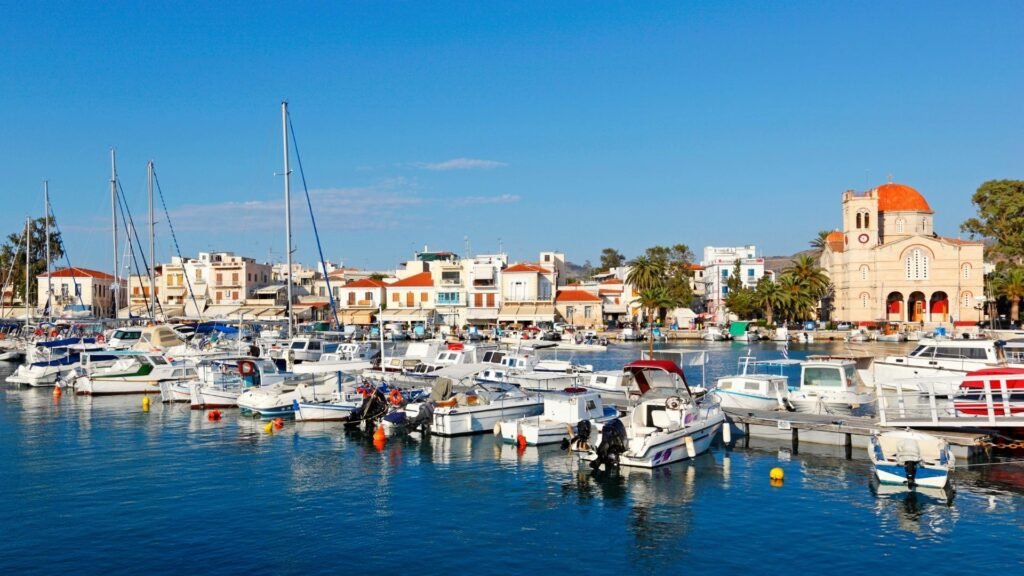
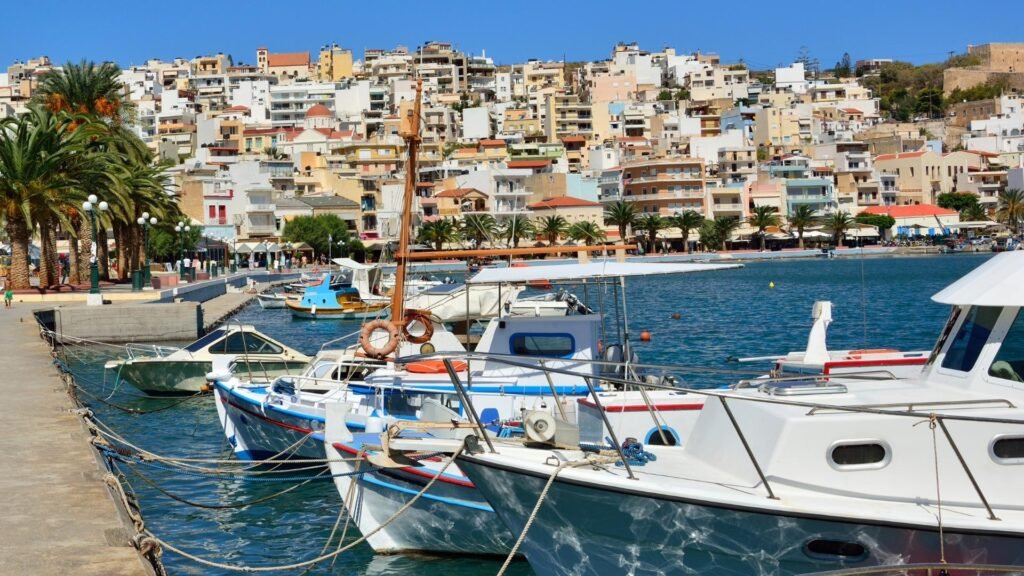
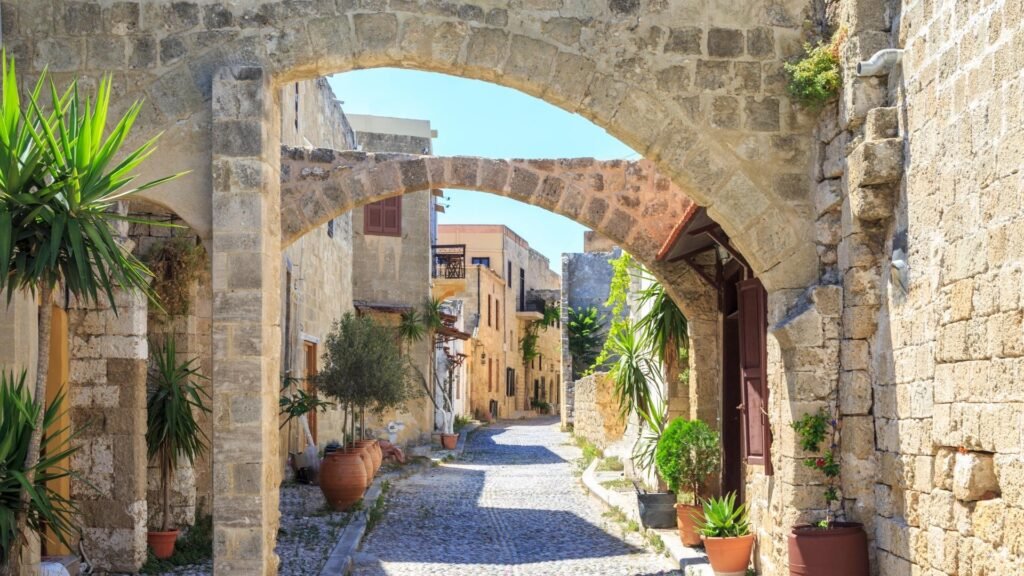
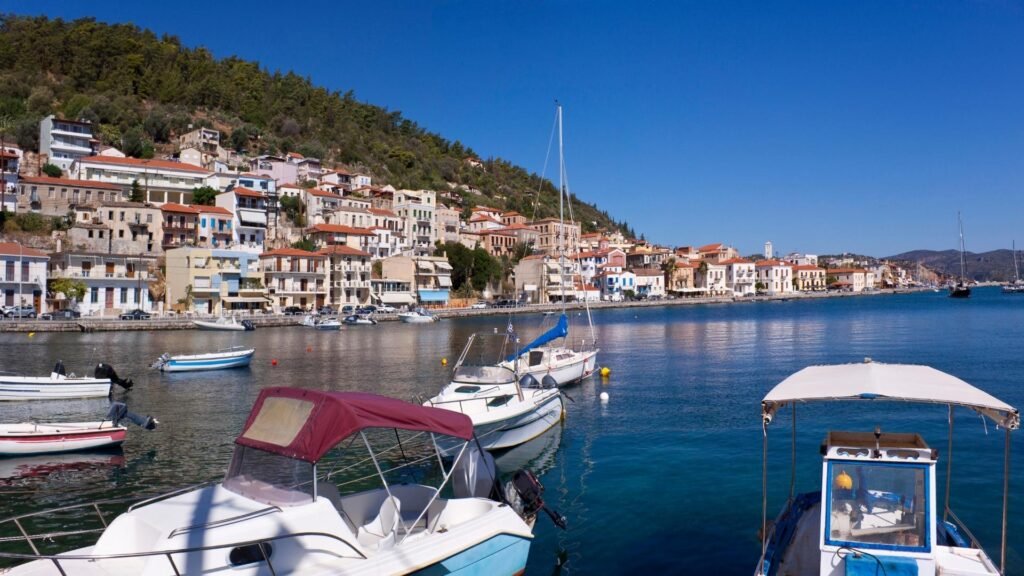
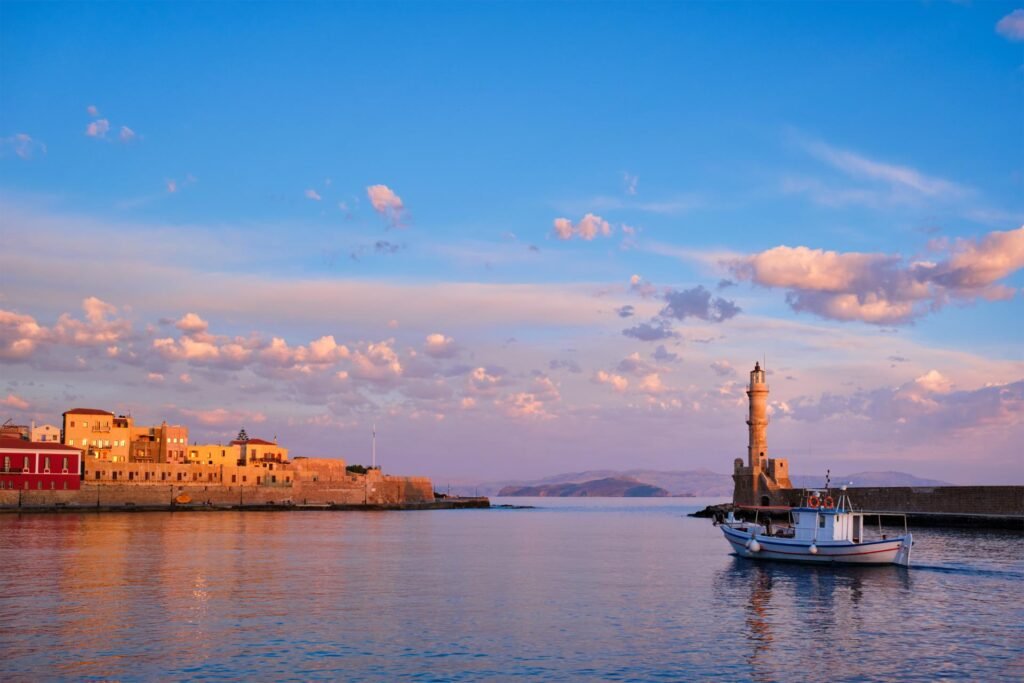
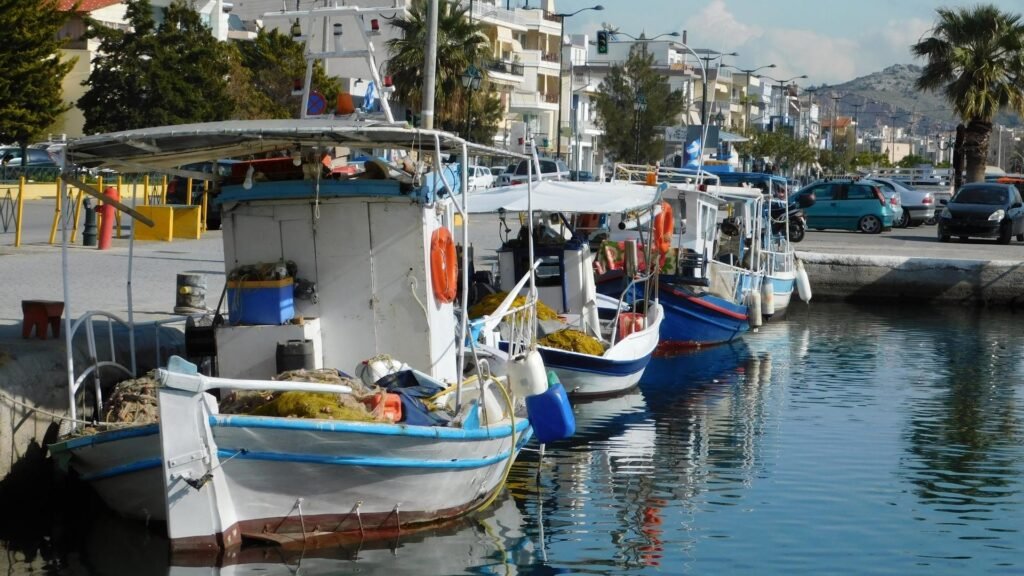
Kos Town is a beautiful mix of history. You can walk from the palm-lined harbor past the Castle of the Knights to the ancient Agora and the Roman Odeon within minutes. The town is filled with Italian-era administrative buildings and Ottoman mosques, reflecting the island’s multicultural layers.
Neratzia Castle (Castle of the Knights)
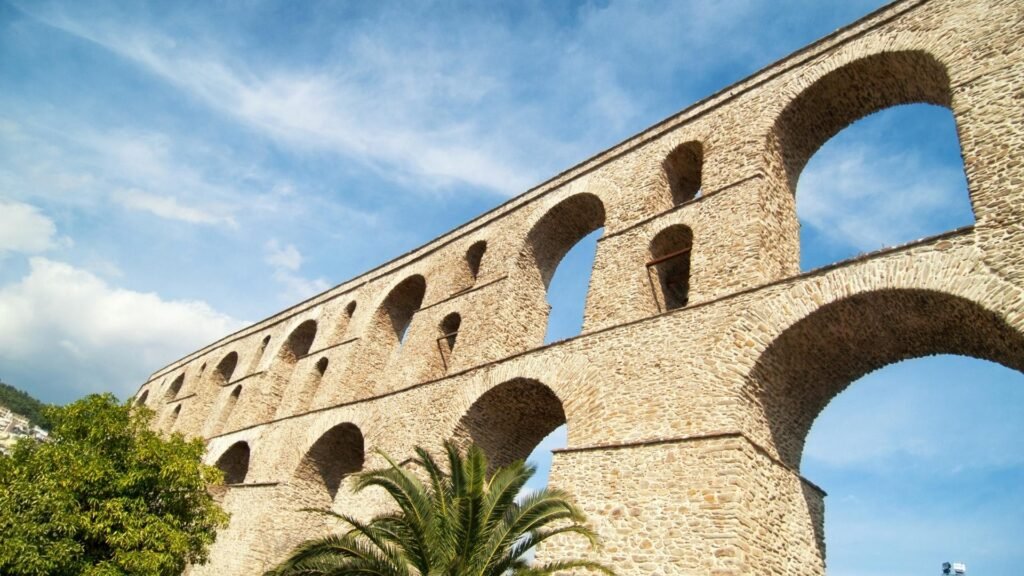
Located at the entrance of the harbor, this 14th-century fortress was built by the Knights of Saint John using stones from ancient monuments. The massive walls and towers are connected to the town by a stone bridge that passes over the ‘Palm Tree Avenue’.
The Plane Tree of Hippocrates
According to legend, this is the descendant of the tree under which Hippocrates taught his students 2,400 years ago. While the current tree is about 500 years old, it is one of the oldest in Europe and remains a site of pilgrimage for doctors from around the world.
Zia Village
Located on the slopes of Mount Dikaios, Zia is the most picturesque mountain village on the island. Surrounded by pine and cypress forests, it is famous for its traditional taverns and for being the best spot on the island to watch the sunset over the neighboring islands and the Aegean.
Paradise Beach
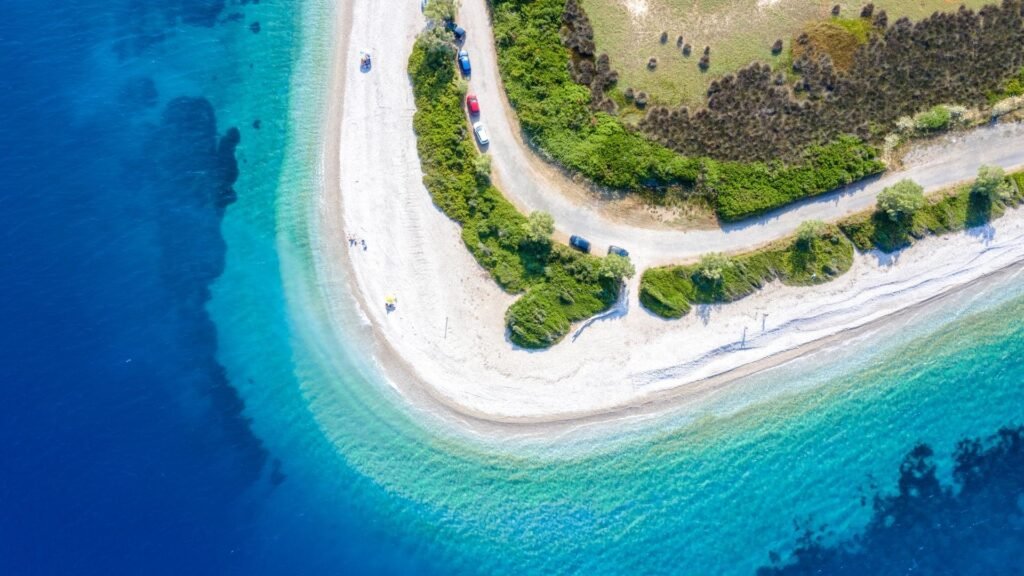
The most famous of the island’s many sandy beaches, Paradise Beach features fine golden sand and crystal-clear water. It is known for its ‘bubble’ phenomenon, where volcanic gases rise from the seabed, creating a natural jacuzzi effect near the shore.
Agios Stefanos Beach and Islet
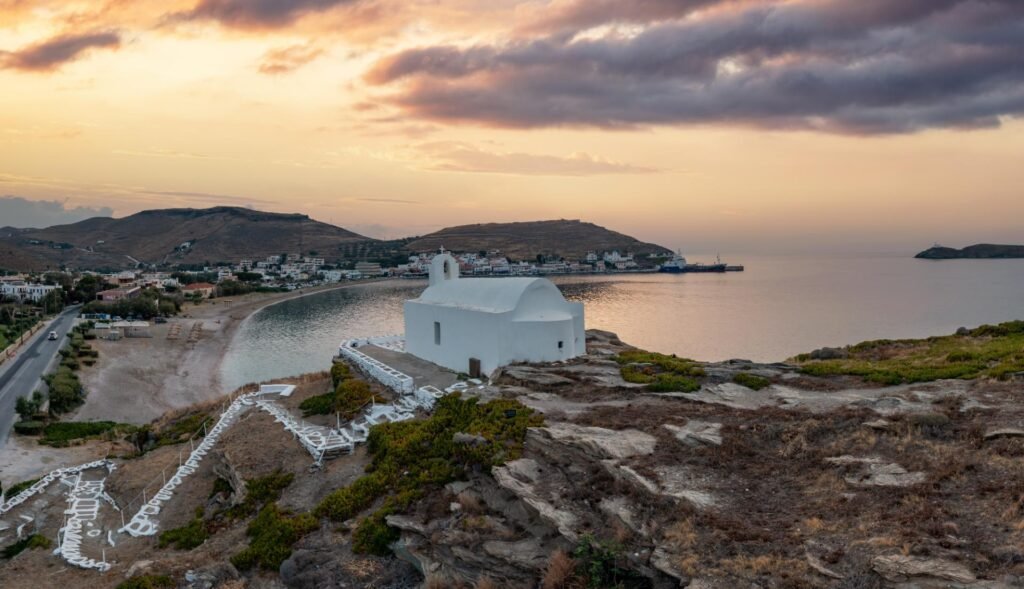
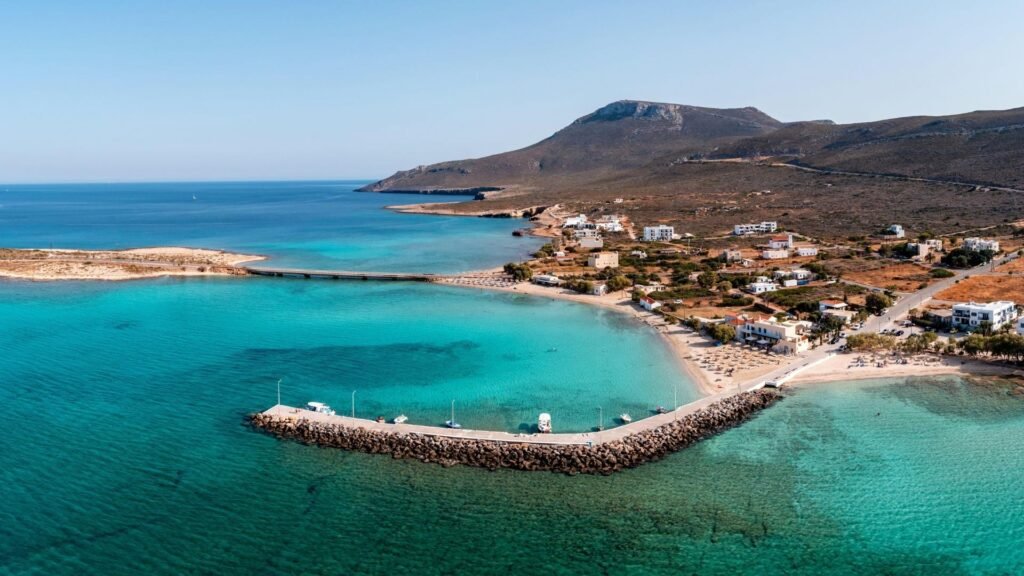
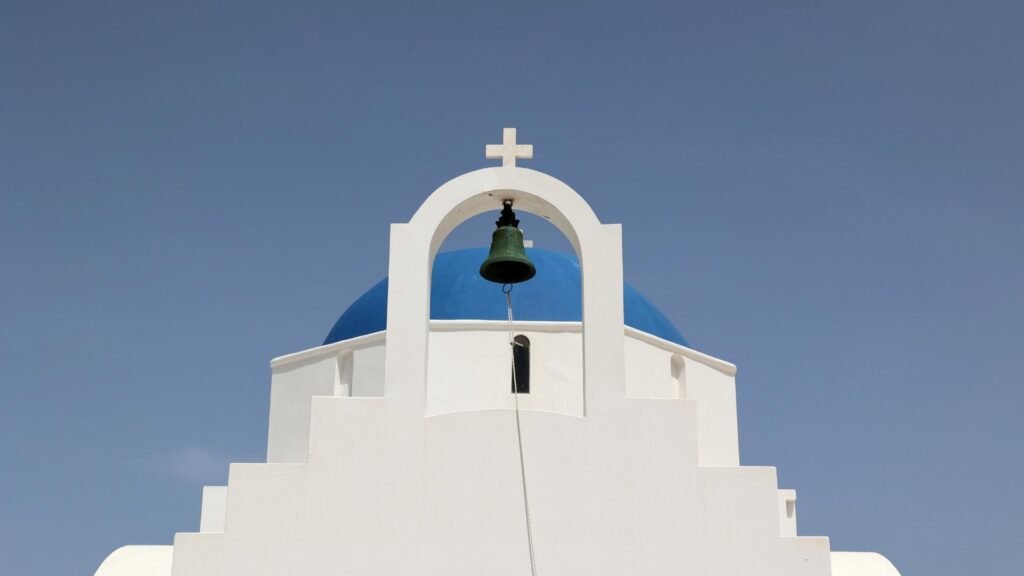
This is arguably the most photogenic spot on Kos. A sandy beach features the ruins of two early Christian basilicas right on the shore, while the tiny islet of Kastri with its blue-domed church sits just a short swim away in the turquoise water.
Therma Beach (Hot Springs)
Located on the eastern tip of the island, Therma features natural hot springs that flow from a crack in the rocks into a sea-walled pool. The water is rich in sulfur and minerals, providing a natural spa experience as the hot spring water mixes with the cool Aegean sea.
Antimachia and the Windmill
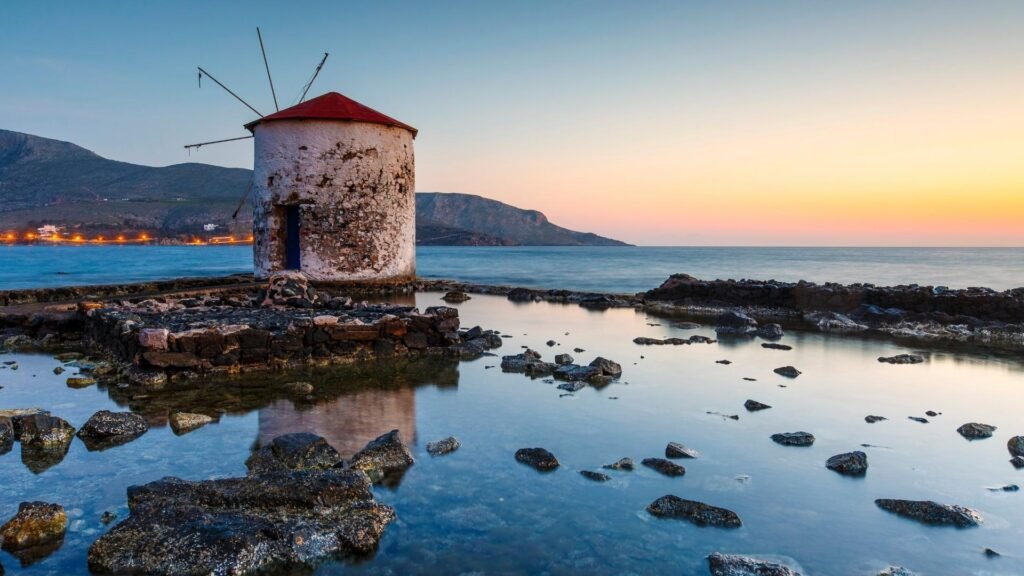
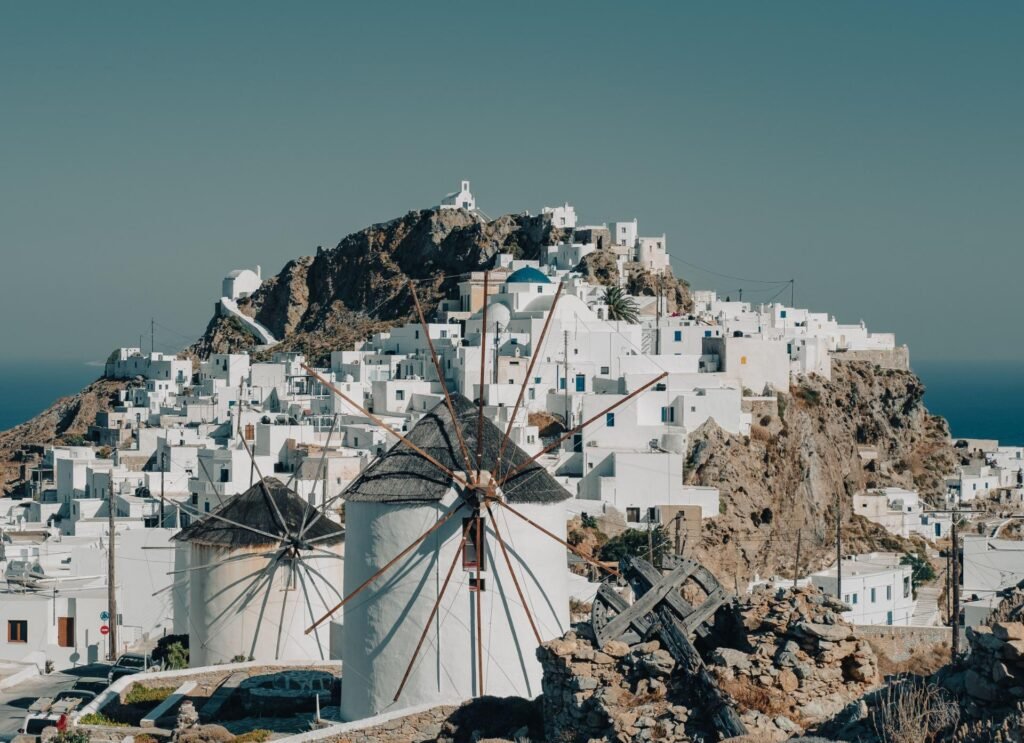
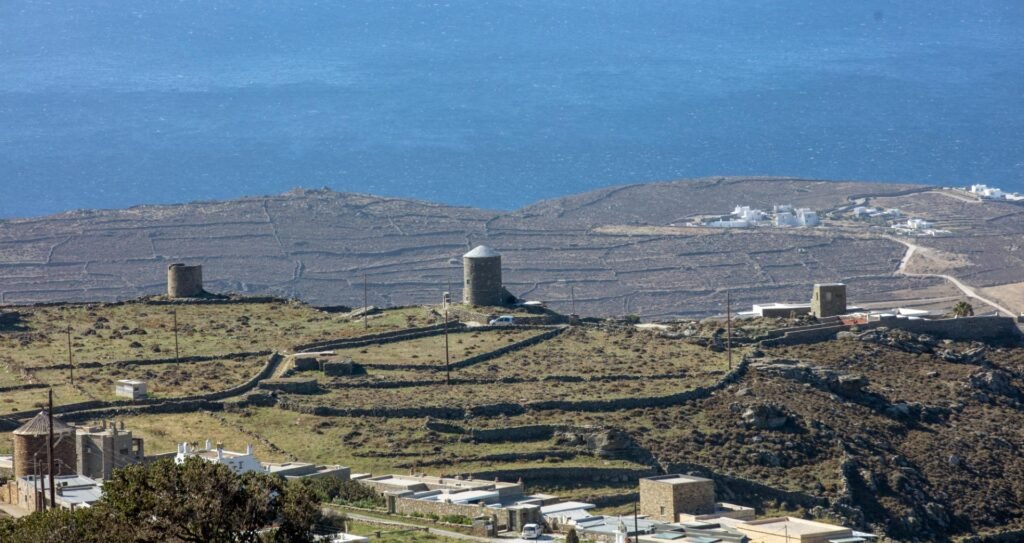
Antimachia is a traditional village near the airport known for its fortress and its centuries-old traditional windmill, which is still operational. It is the best place to learn about the island’s agricultural history and taste local honey and ‘pitaridia’ (handmade pasta).
The Roman Odeon
A beautifully restored 2nd-century theater that once hosted musical competitions and senate meetings. It is a quiet, atmospheric site surrounded by cypress trees, providing a glimpse into the Roman era of Kos.
Island-hopping from Kos
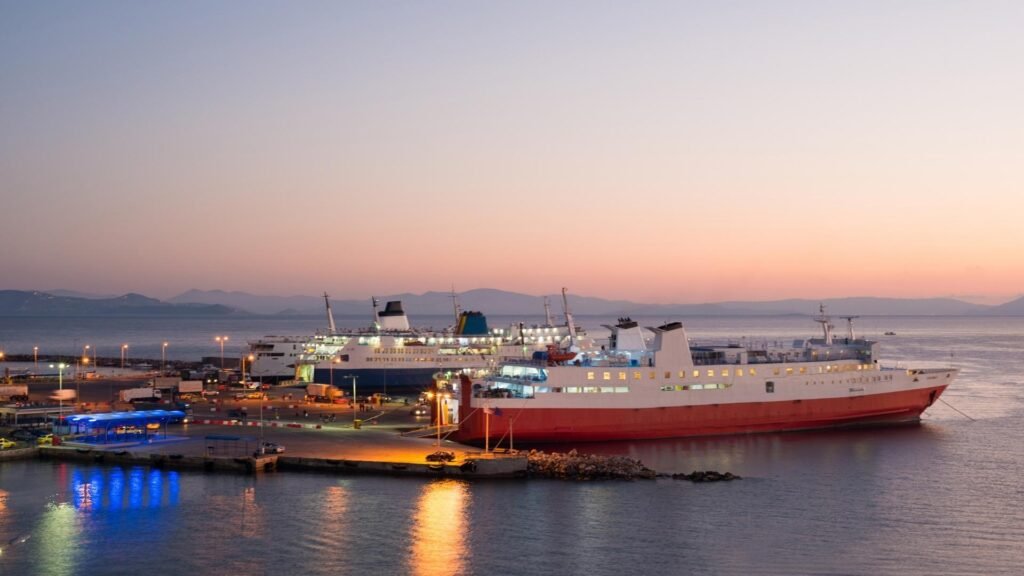
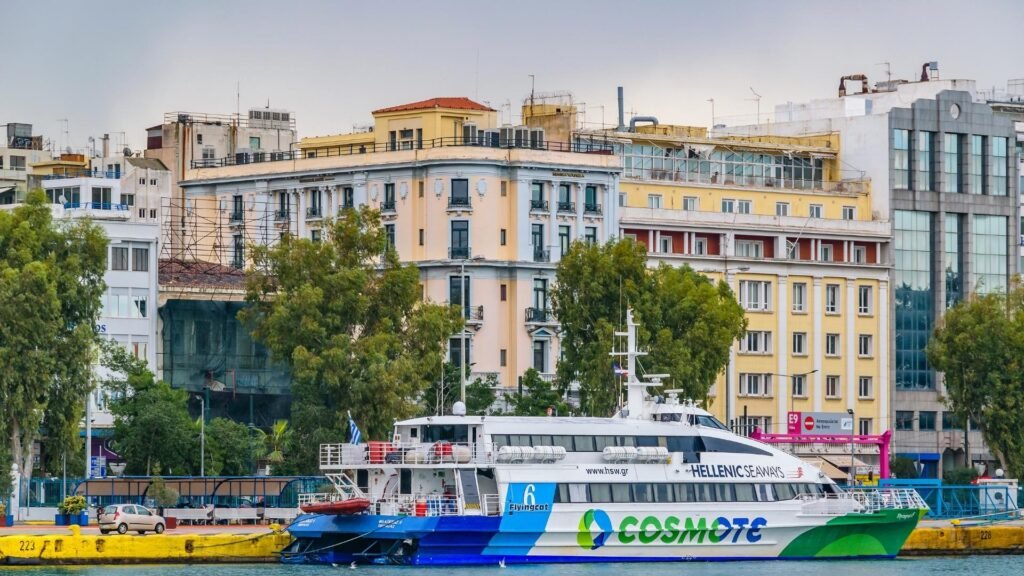
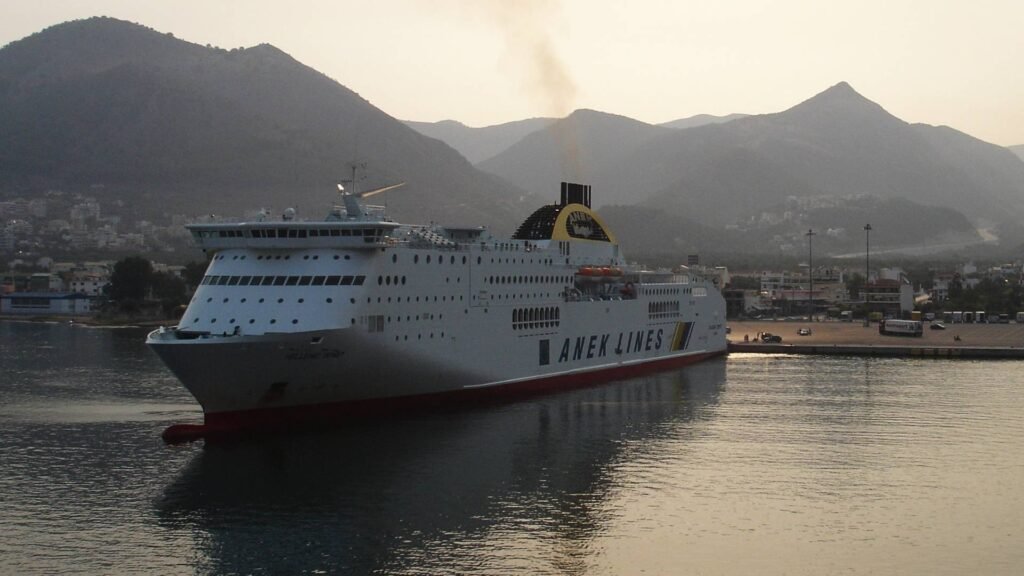
Kos is the northern hub for the Dodecanese ferry network. Daily high-speeds and large ferries connect Kos to Kalymnos (30-45 mins), Leros (1.5 hours), and Patmos (2 hours). It also has frequent connections to Rhodes and Piraeus. International ferries run daily to Bodrum, Turkey, taking only 20-30 minutes. Kos International Airport (KGS) offers year-round connections to Athens and a massive volume of direct European flights during the summer, making it an excellent base for exploring the northern Dodecanese.