Patmos: The Sacred Isle of Revelation and Spiritual Elegance
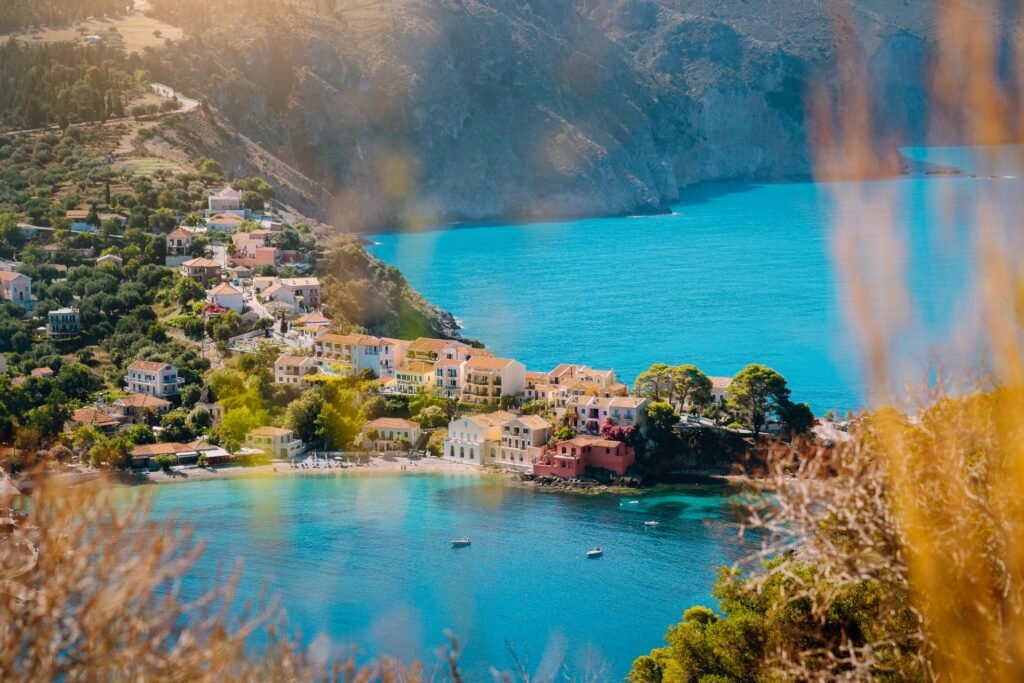
Patmos is an island of profound energy and timeless beauty. Known as the ‘Jerusalem of the Aegean,’ it is one of the most sacred sites in Christendom, yet it possesses a sophisticated, low-key luxury that attracts a global elite of artists and intellectuals. In 2026, Patmos remains an island that rewards the slow traveler—a place of hidden coves, white-washed mansions, and a spiritual silence that is hard to find anywhere else in the world. Its UNESCO-listed Chora is considered one of the most beautiful and well-preserved traditional settlements in the entire Mediterranean.
Things to know about Patmos
Geographically, Patmos is a small, irregular-shaped island with a deeply indented coastline of over 60 kilometers. Historically, it is famous as the place where Saint John the Apostle was exiled in 95 AD and wrote the Book of Revelation. An ideal trip length is 4-5 days. It is famous for the Monastery of Saint John the Theologian, the Cave of the Apocalypse, and its high-end Chora. Unlike its neighbors, Patmos has no airport, which has helped preserve its exclusive and peaceful character. Access is strictly by sea, which adds to the island’s sense of arrival and seclusion.
Top attractions in Patmos
Monastery of Saint John the Theologian
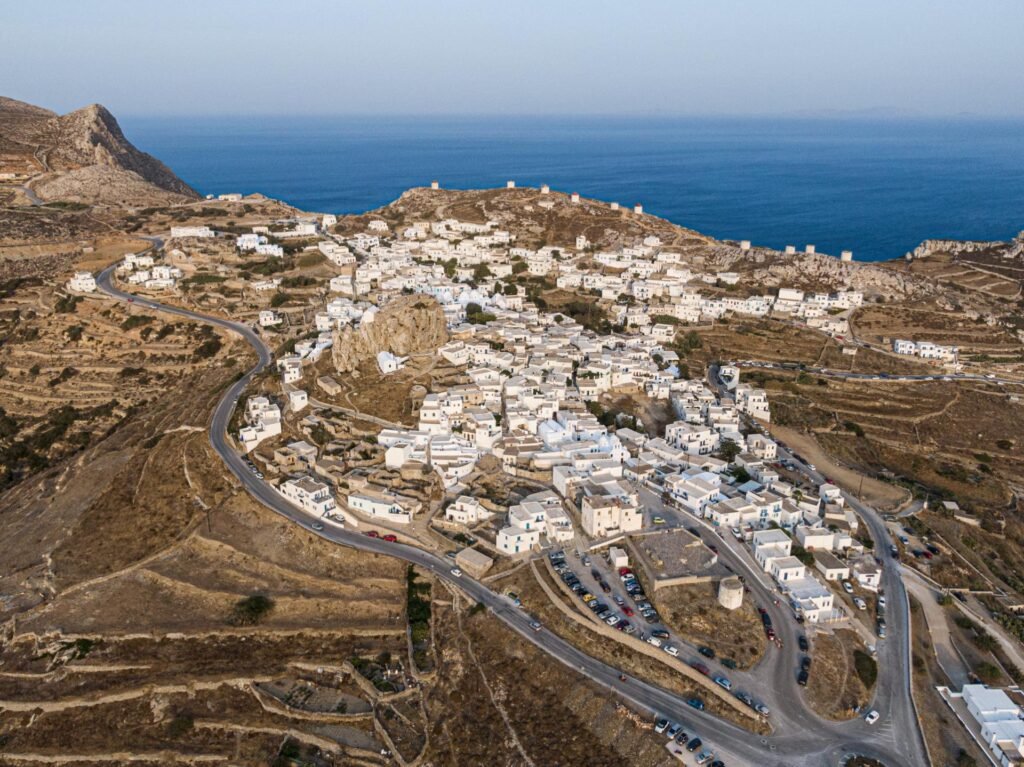
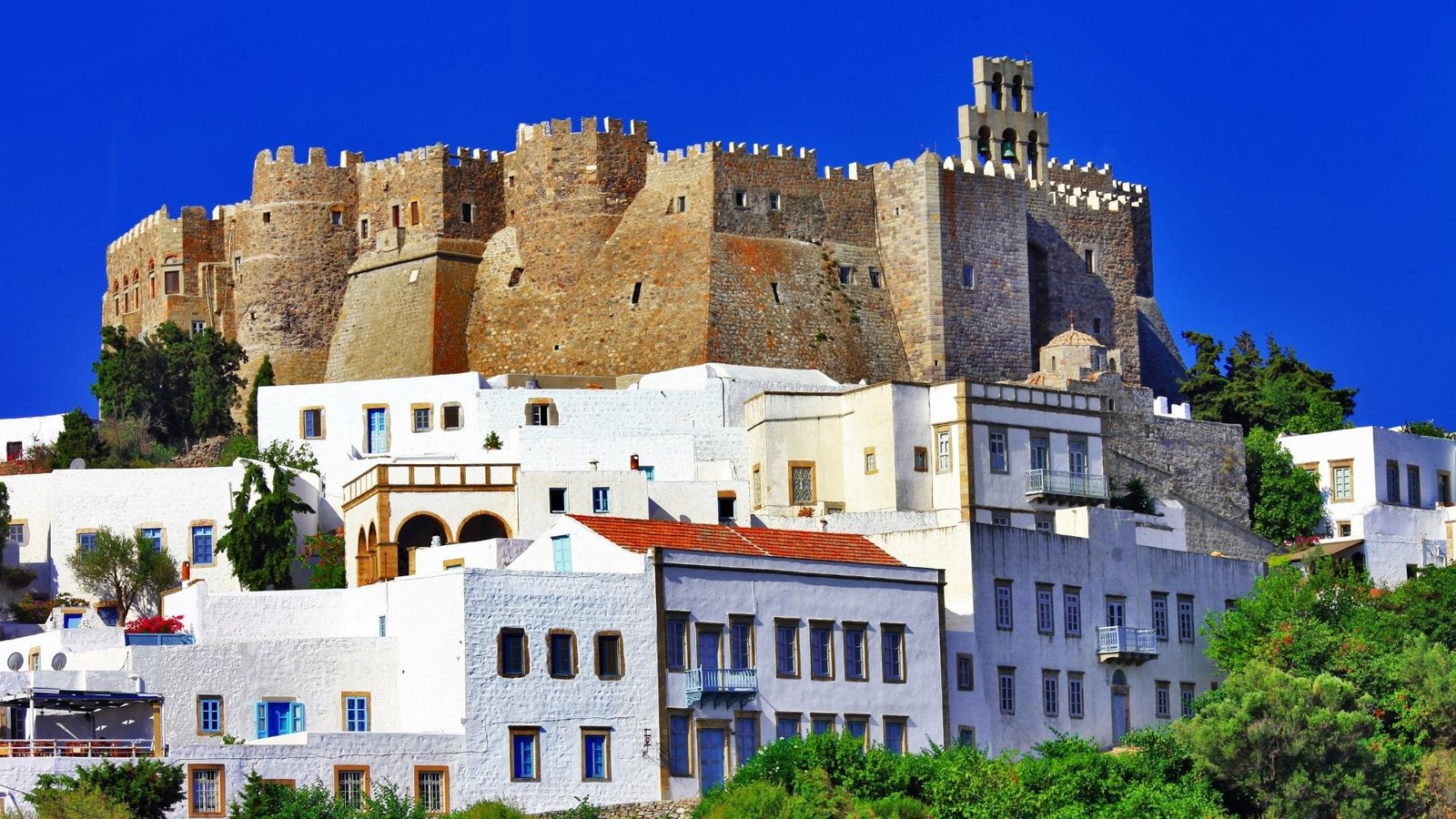
Visible from almost every point on the island, this fortress-like monastery dominates the hilltop of Chora. Founded in 1088, it houses a priceless collection of Byzantine icons, rare manuscripts, and silver treasures. The architecture is a marvel of medieval engineering, featuring hidden courtyards, dark chapels, and a rooftop with views that span the entire Dodecanese.
The Cave of the Apocalypse
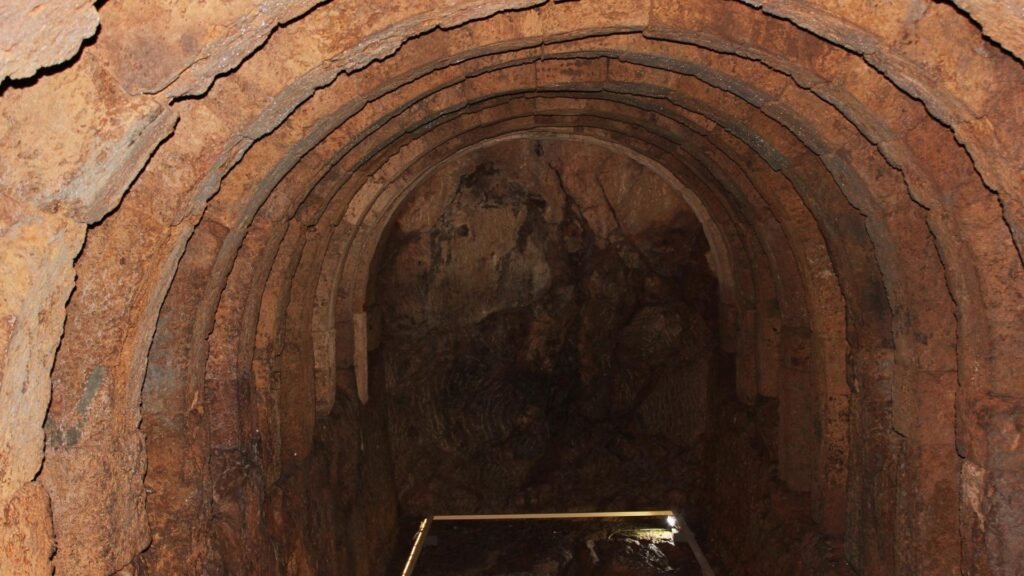
Located halfway between the port of Skala and the Chora, this is the sacred grotto where Saint John received his visions. You can see the ‘triple crack’ in the rock from which the voice of God is said to have spoken, and the indentations in the wall where the Apostle rested his head. It is a place of immense silence and spiritual weight.
Patmos Chora
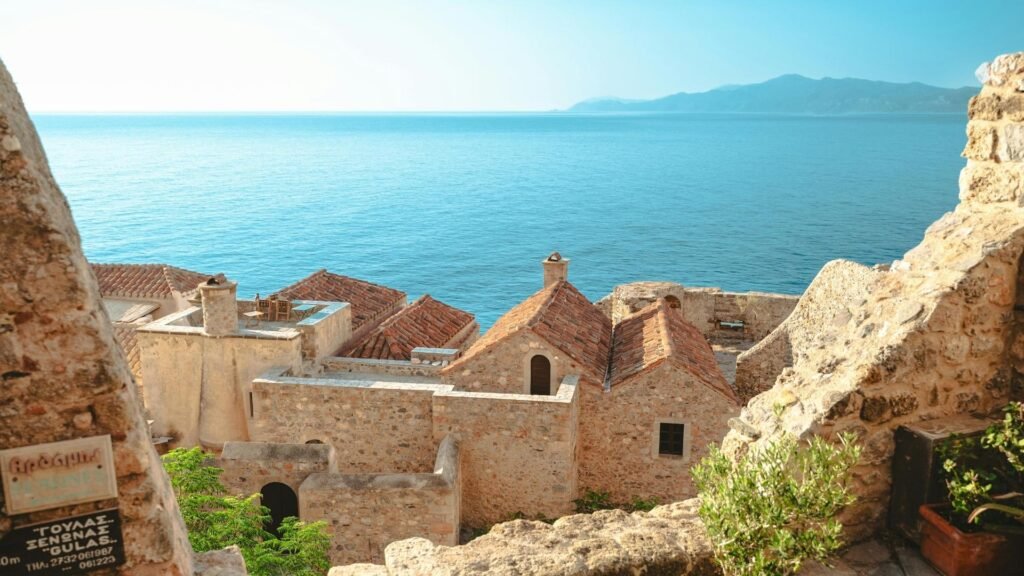
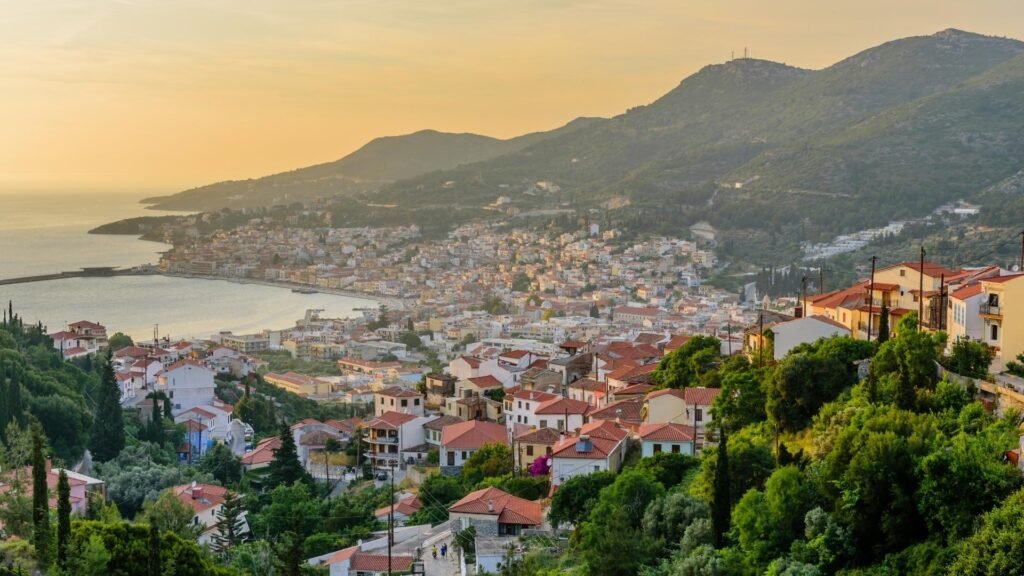
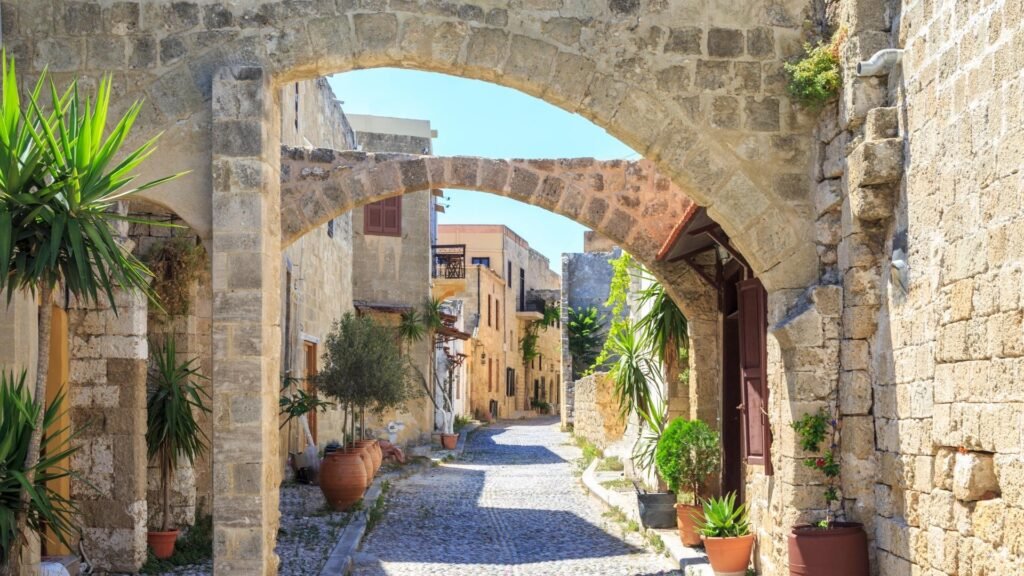
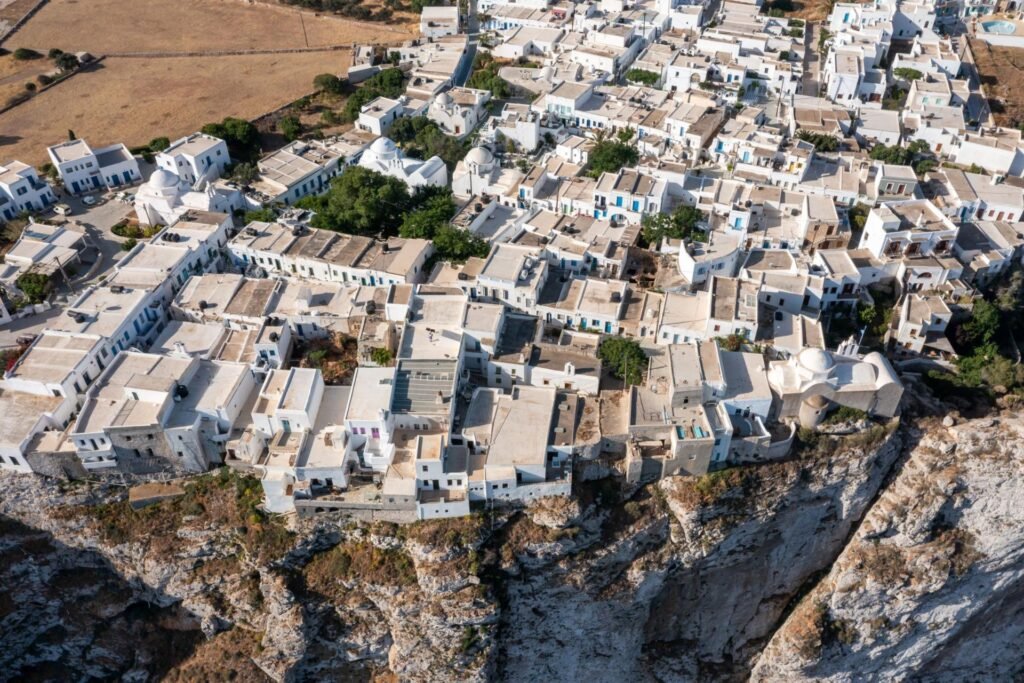
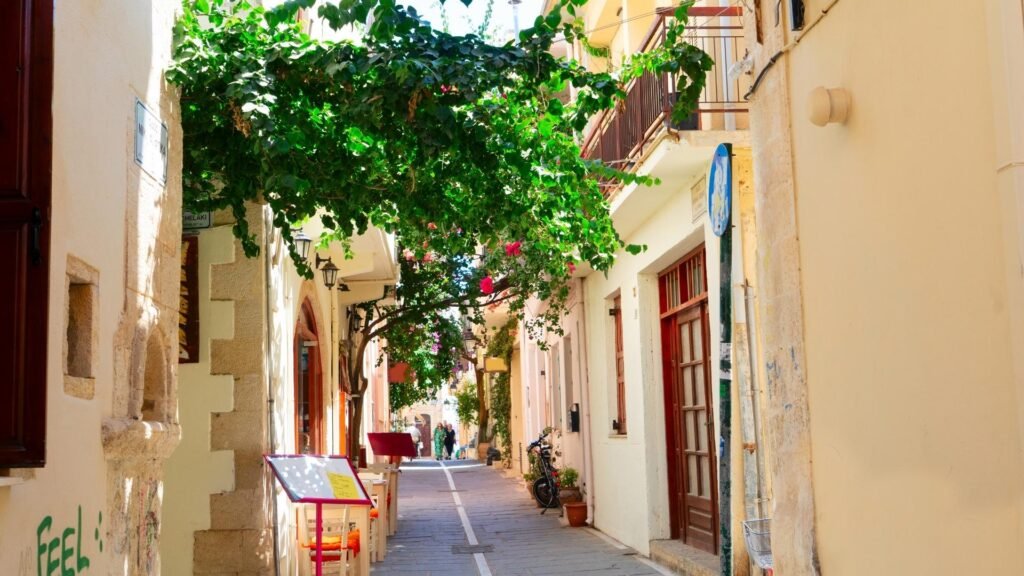
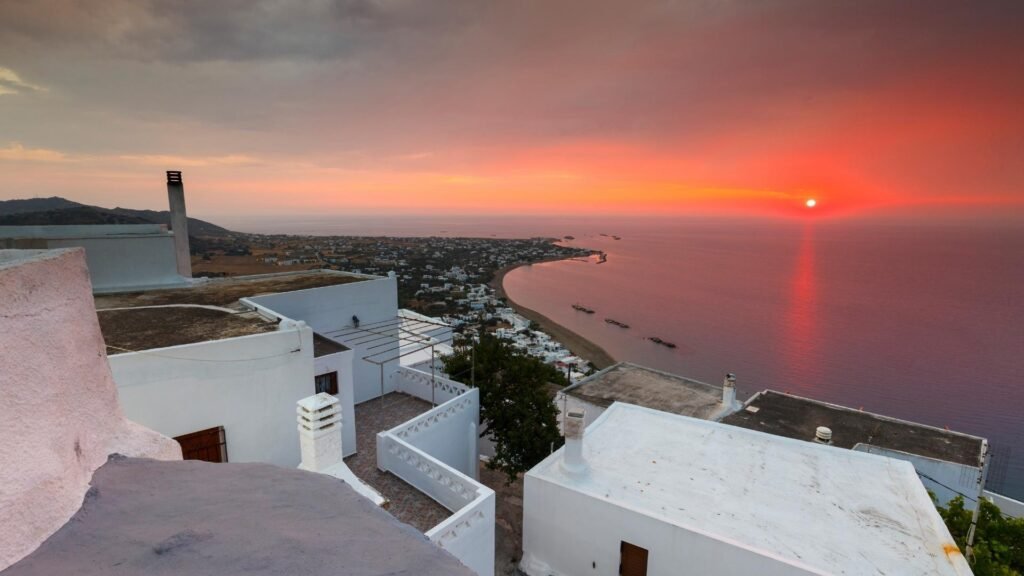
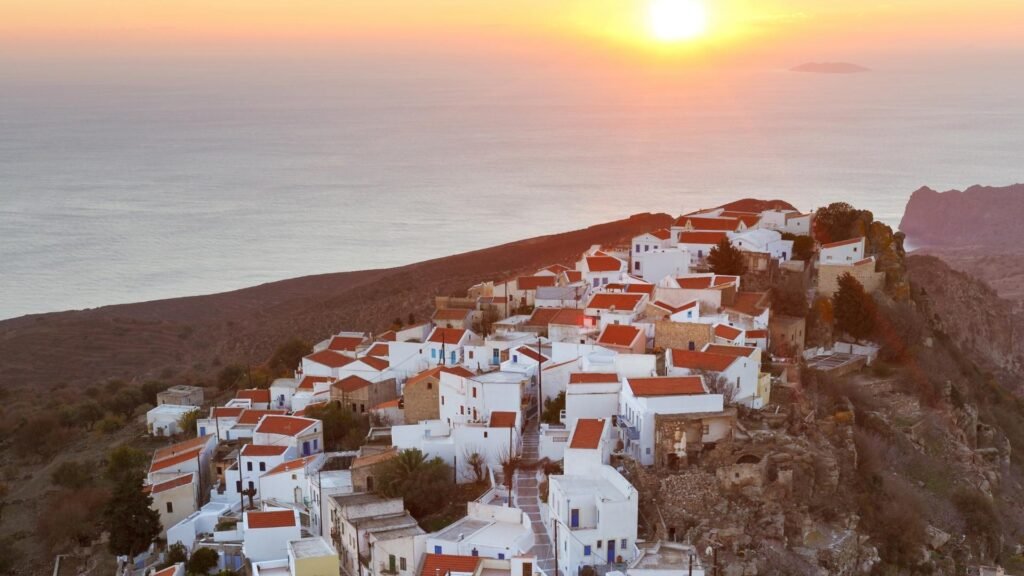
The capital of Patmos is an architectural masterpiece of white-washed mansions and narrow, winding alleys. Built around the monastery to protect against pirates, the Chora is a car-free zone where every corner offers a new perspective of the Aegean. It is home to several high-end boutiques and elegant restaurants that come alive in the evening.
Psili Ammos Beach
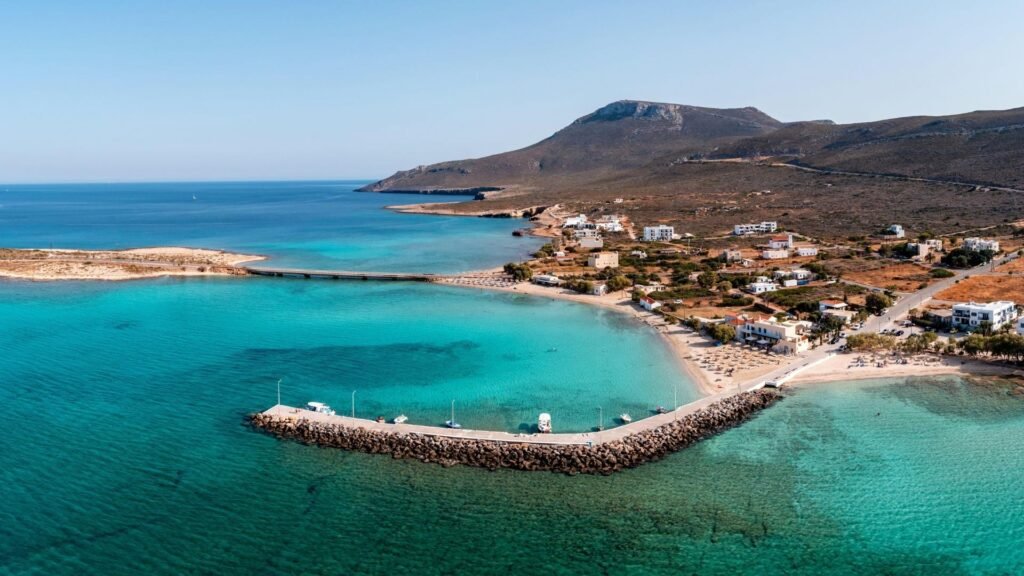
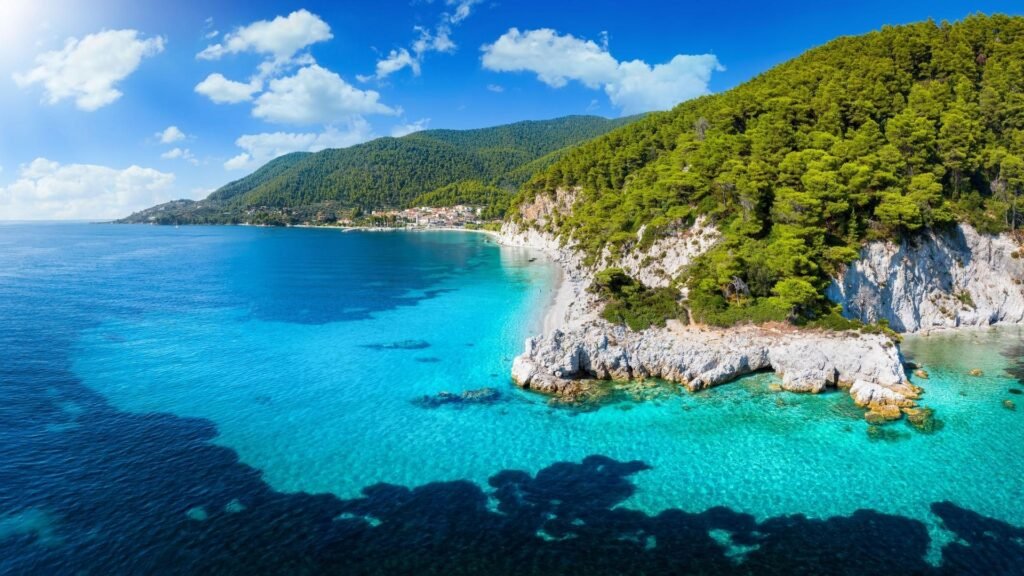
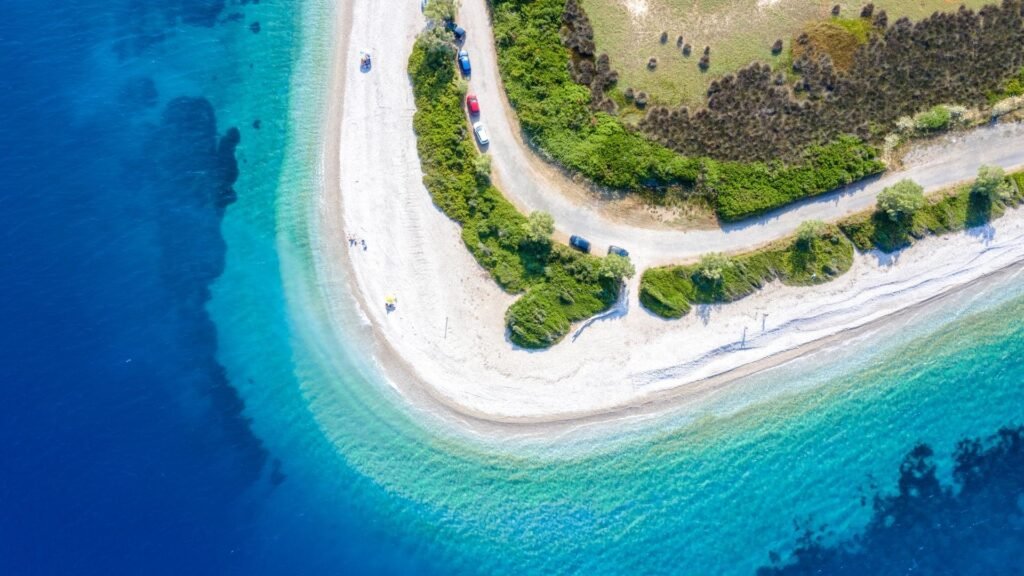
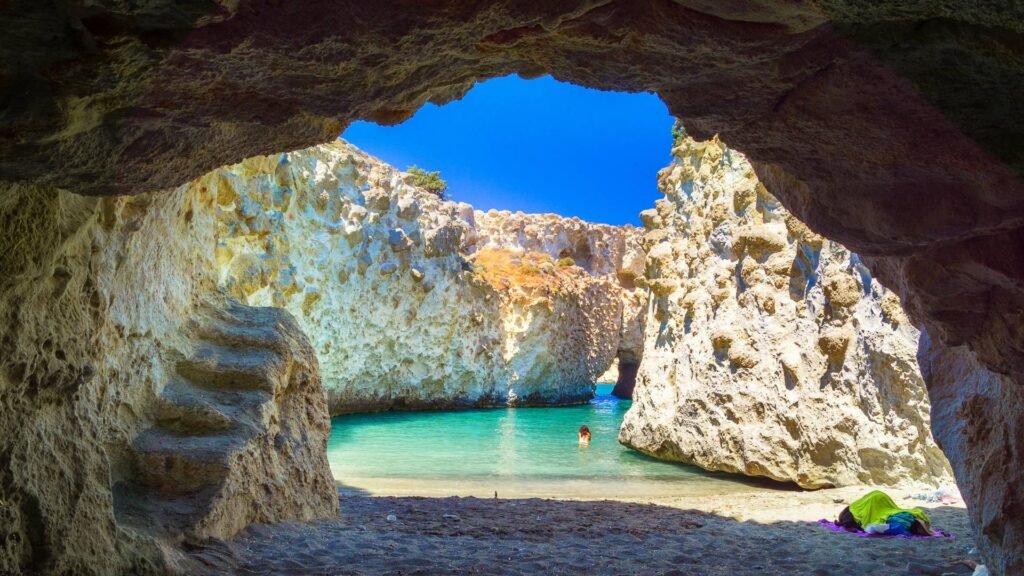
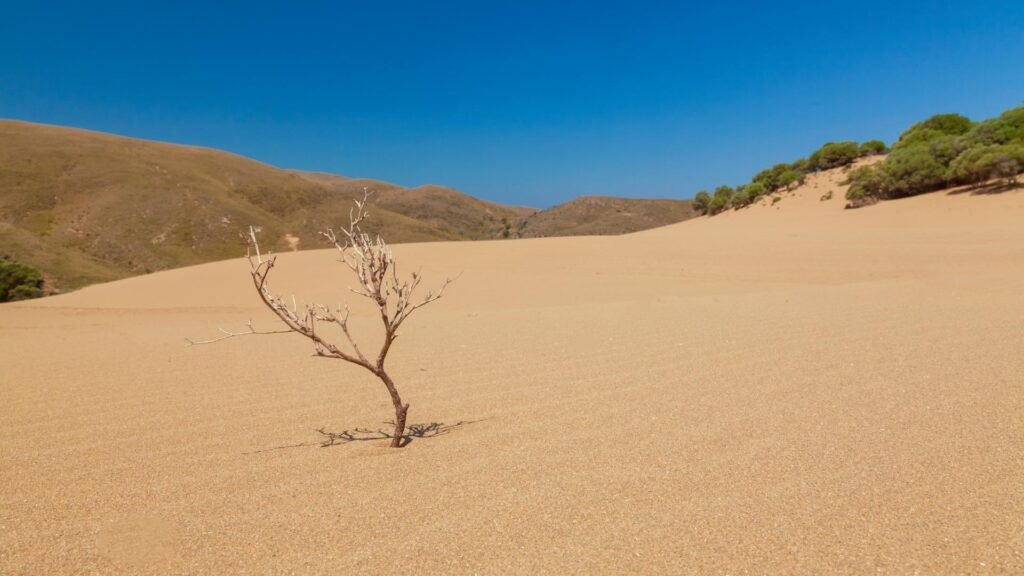
Considered by many to be the best beach on the island, Psili Ammos (Fine Sand) is a remote paradise on the southwestern coast. It is only accessible by a 30-minute boat ride from Skala or a 20-minute hike over a rocky path. The effort is rewarded with golden dunes, turquoise water, and a legendary local tavern.
Skala Port
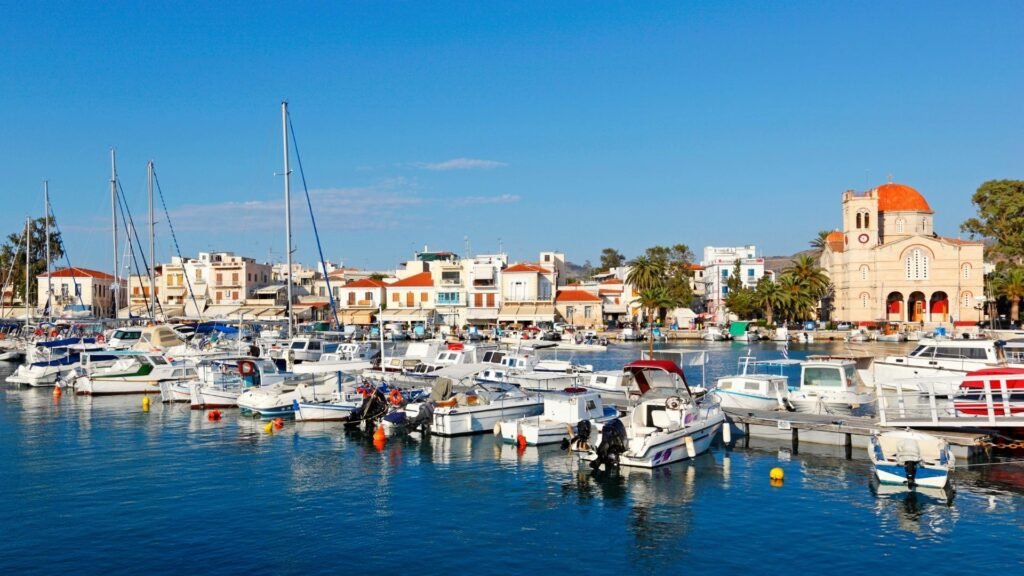
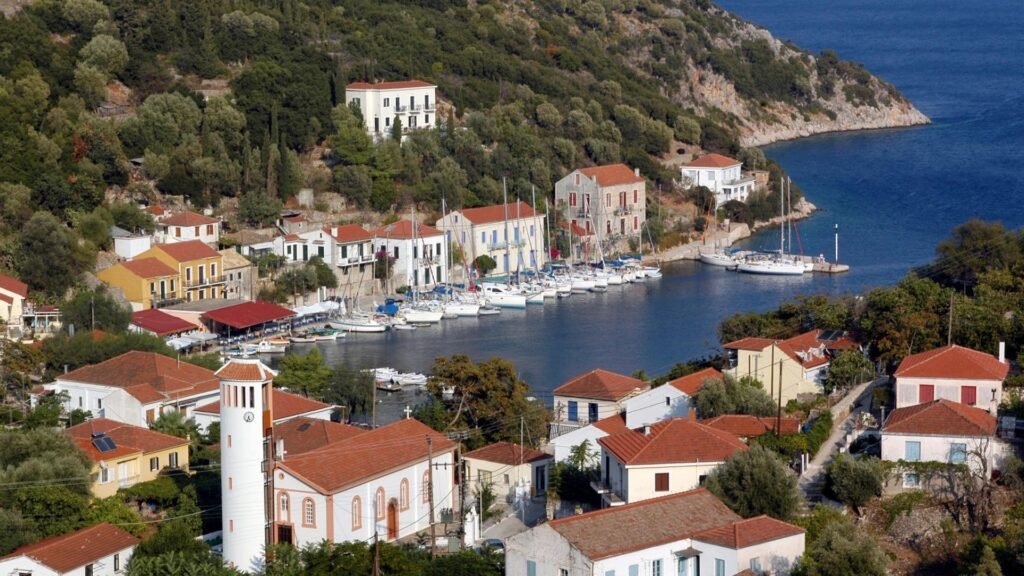
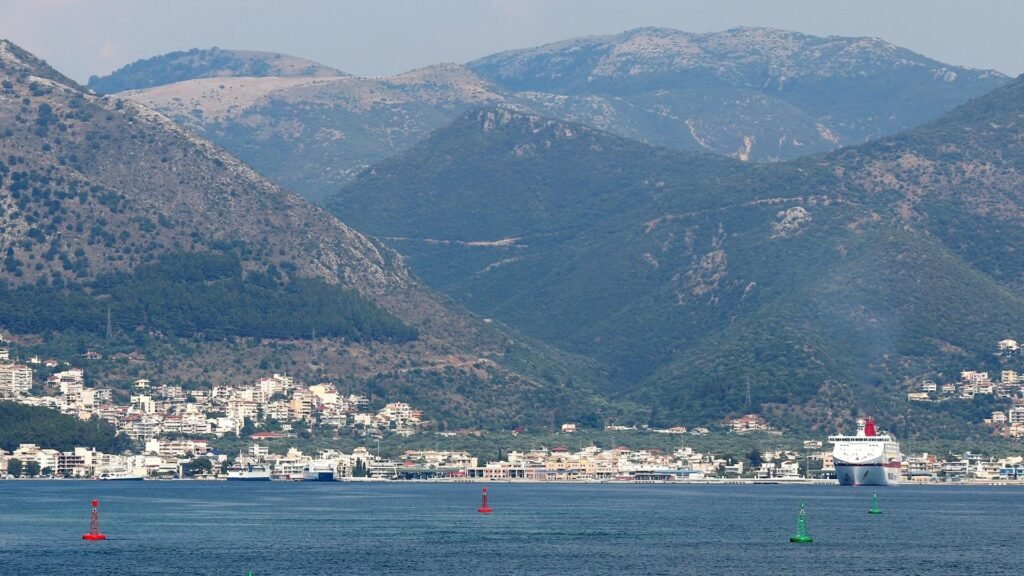
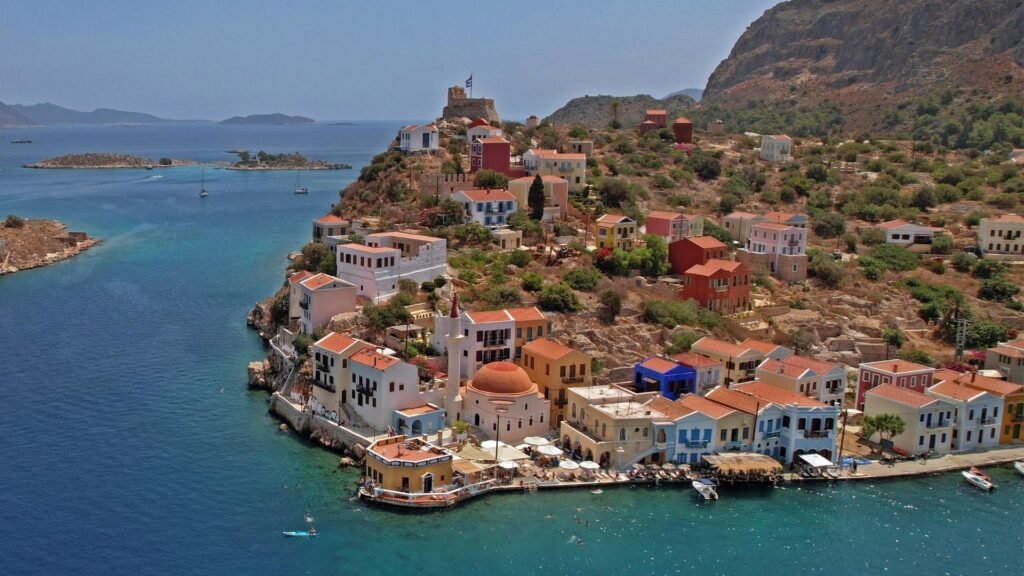
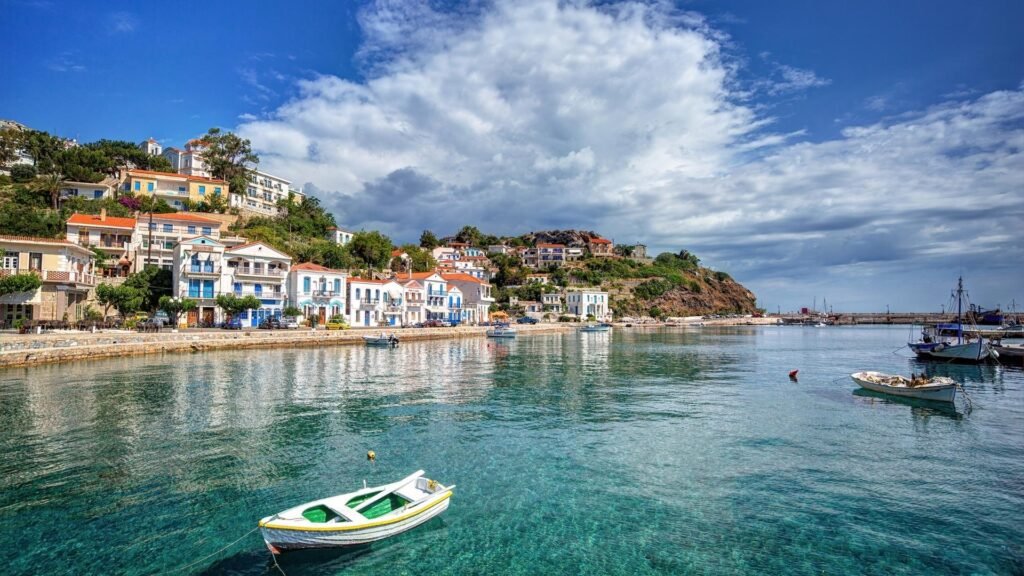
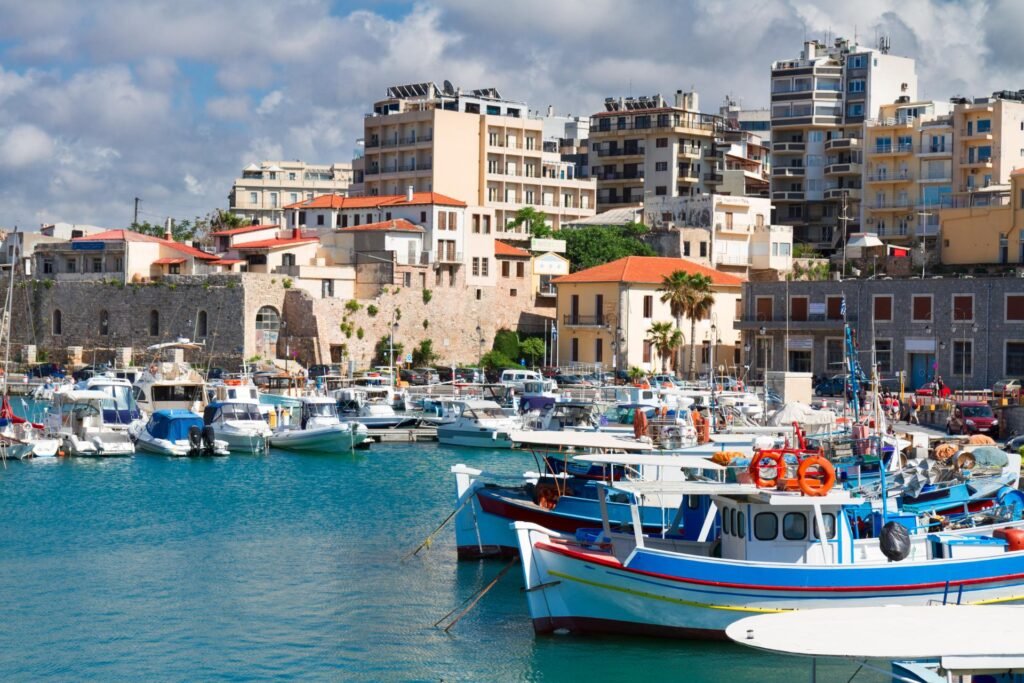
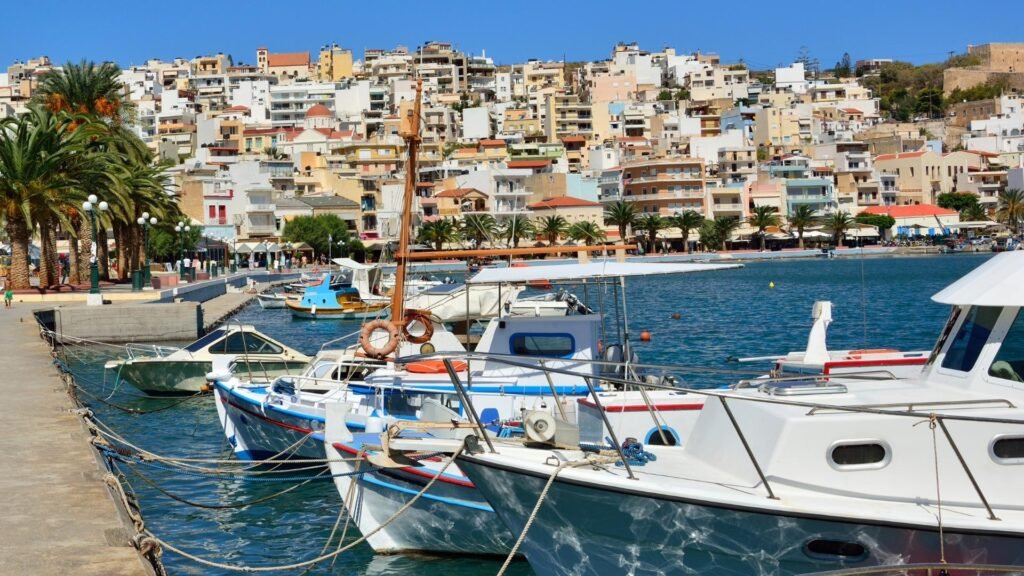
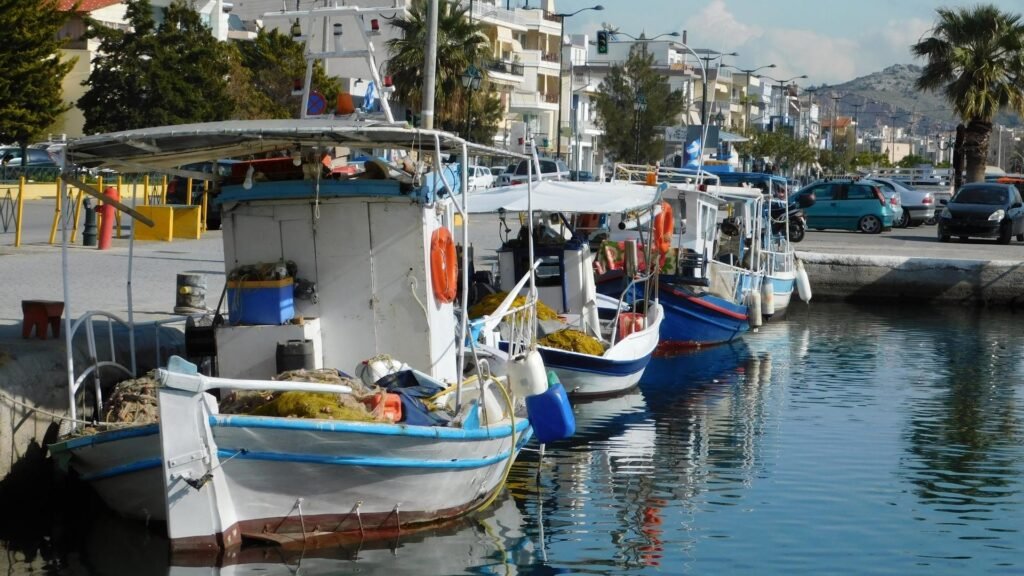
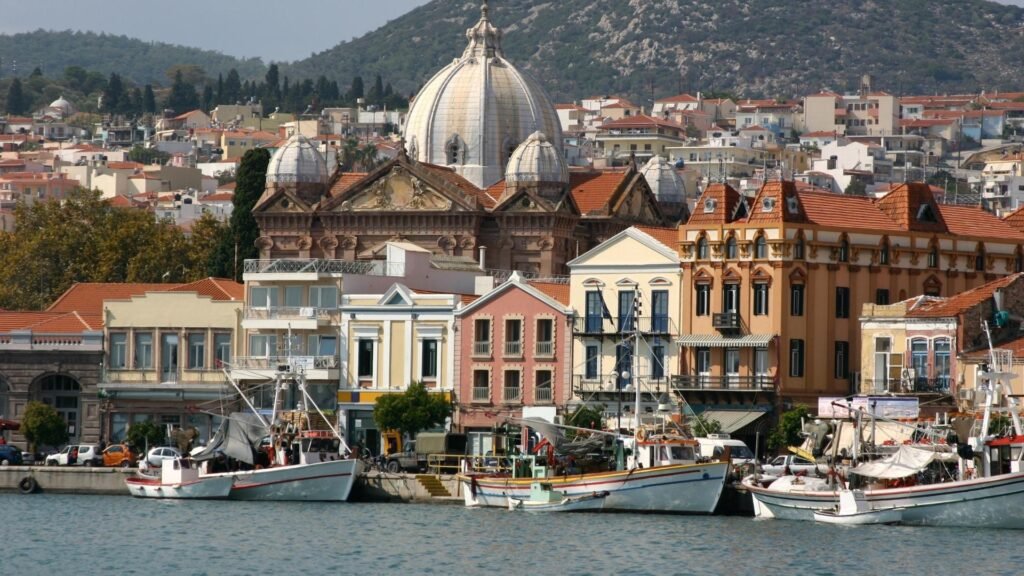
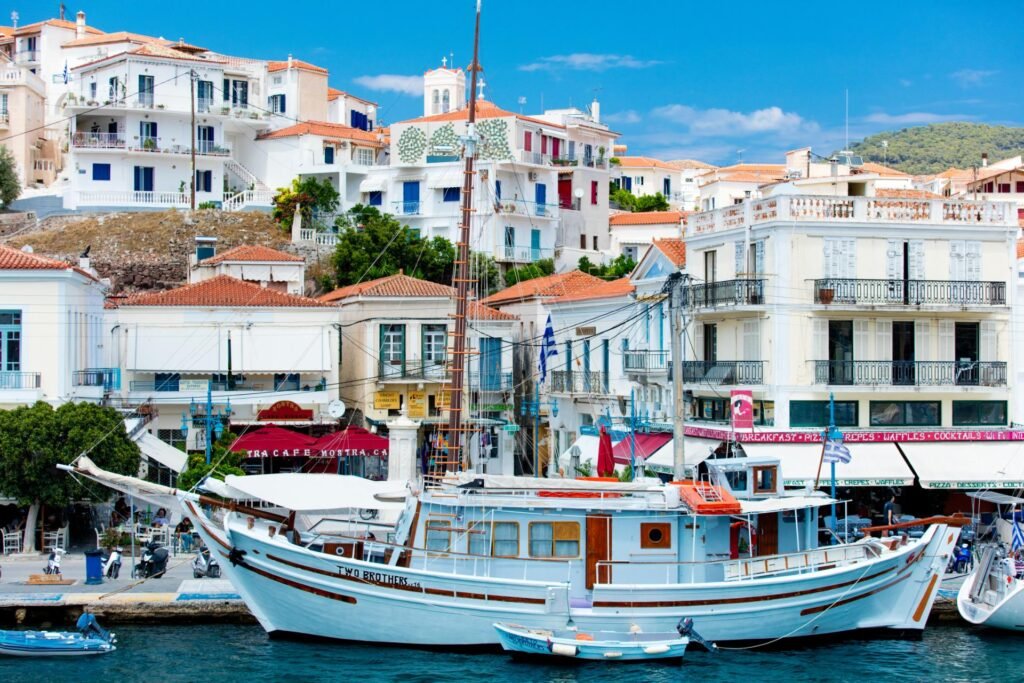
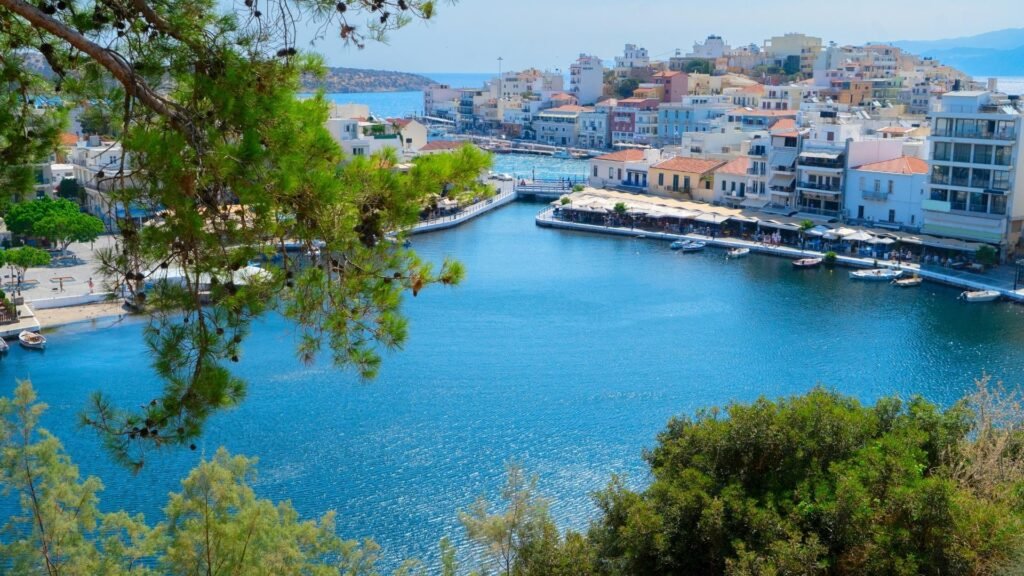
The lively harbor of Patmos is the social and commercial heart of the island. Lined with traditional cafes and bakeries, it is the place to watch the yachts and ferries arrive. Skala also features several beautiful neoclassical buildings and serve as the starting point for daily boat excursions to the nearby islets.
The Windmills of Patmos
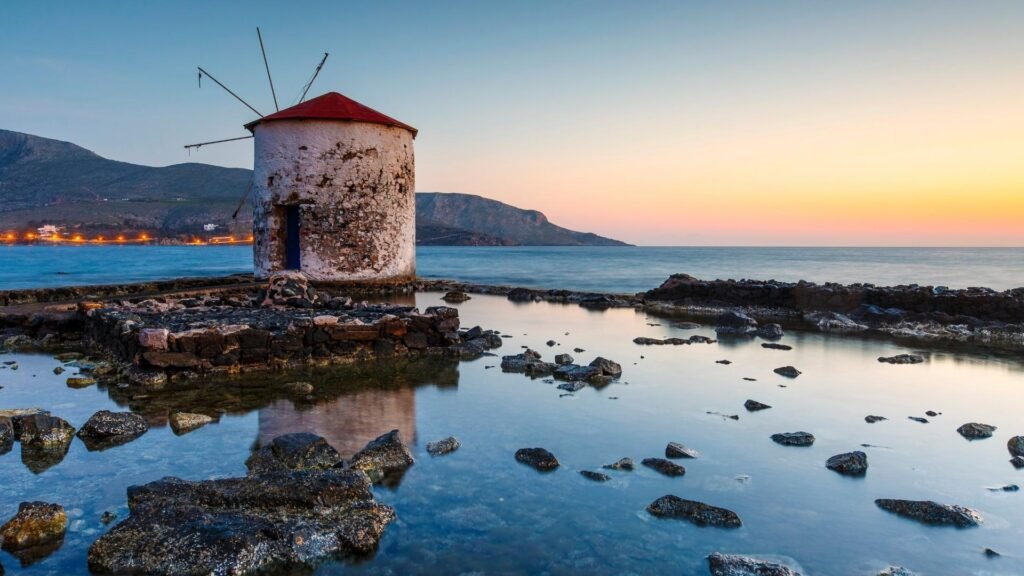
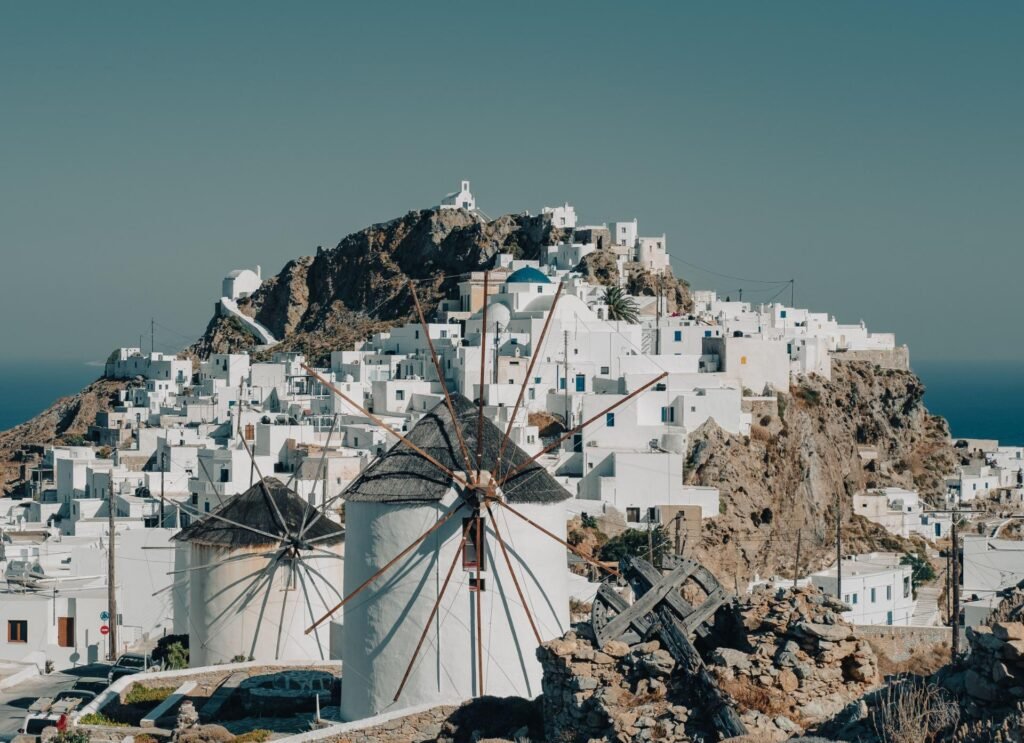
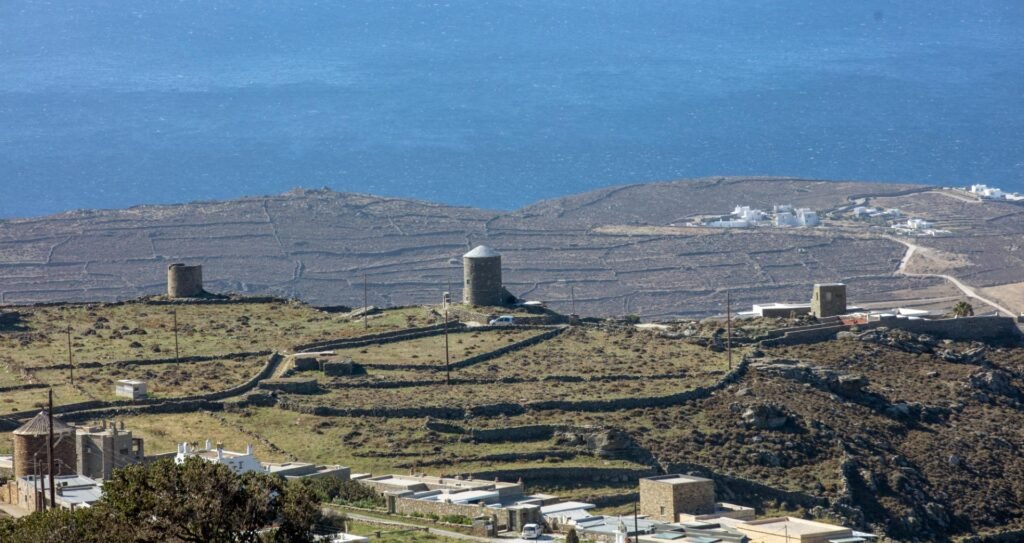
Three restored 16th-century windmills sit on a ridge in the Chora. Two are traditional flour mills and the third is used for water production. They have been meticulously restored and now serve as a landmark of the island’s agricultural past and a favorite sunset viewpoint.
Lambi Beach
Famous for its unique, multi-colored volcanic pebbles, Lambi (meaning ‘shining’) is a beautiful bay on the northern tip of the island. It is a peaceful spot with crystal-clear water and several excellent fish taverns where you can enjoy the catch of the day right by the sea.
Grikos Bay
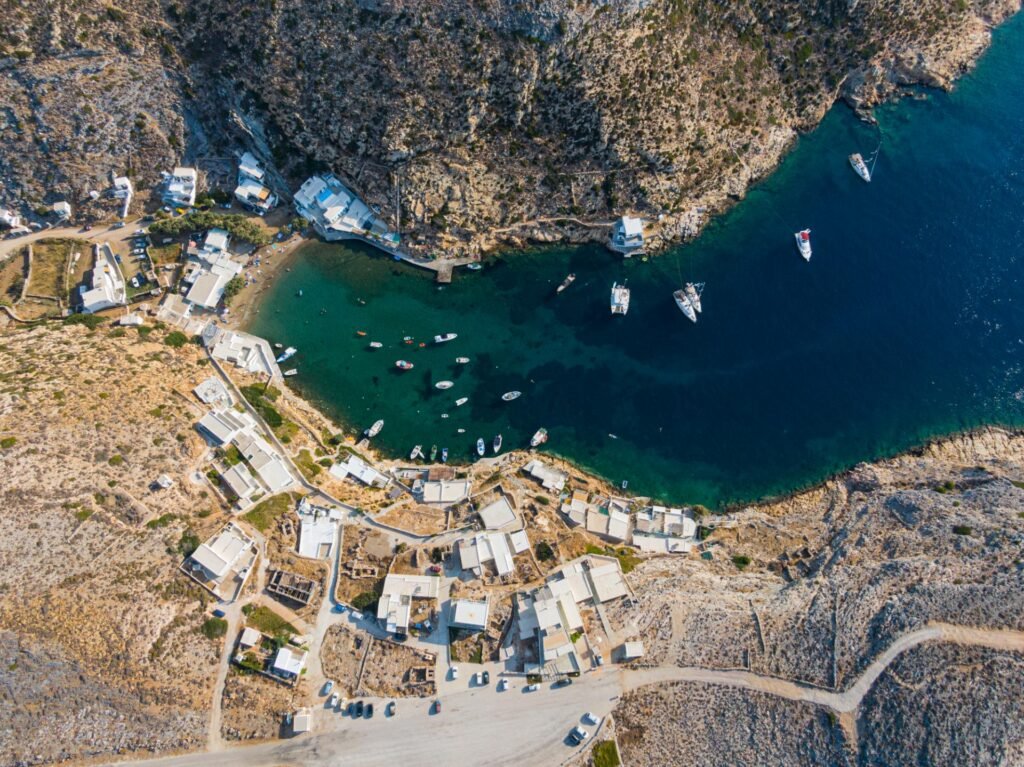
Once a quiet fishing village, Grikos is now the island’s most developed resort area, home to the Patmos Aktis luxury hotel. The bay is perfectly sheltered and features the ‘Petra’—a massive rock connected to the mainland by a narrow strip of sand, which was used as a hermitage in ancient times.
Agrio Livadi Beach
A popular, organized sandy beach surrounded by green hills. It features shallow water, making it ideal for families, and several beach bars and taverns. It is one of the most accessible and comfortable swimming spots on the island.
The Simandiris Mansion
Located in the Chora, this 17th-century mansion has been converted into a museum. It offers a rare look at the life of the wealthy Patmian merchants, featuring traditional furniture, Russian-style icons, and a beautiful interior courtyard that has remained unchanged for centuries.
Island-hopping from Patmos
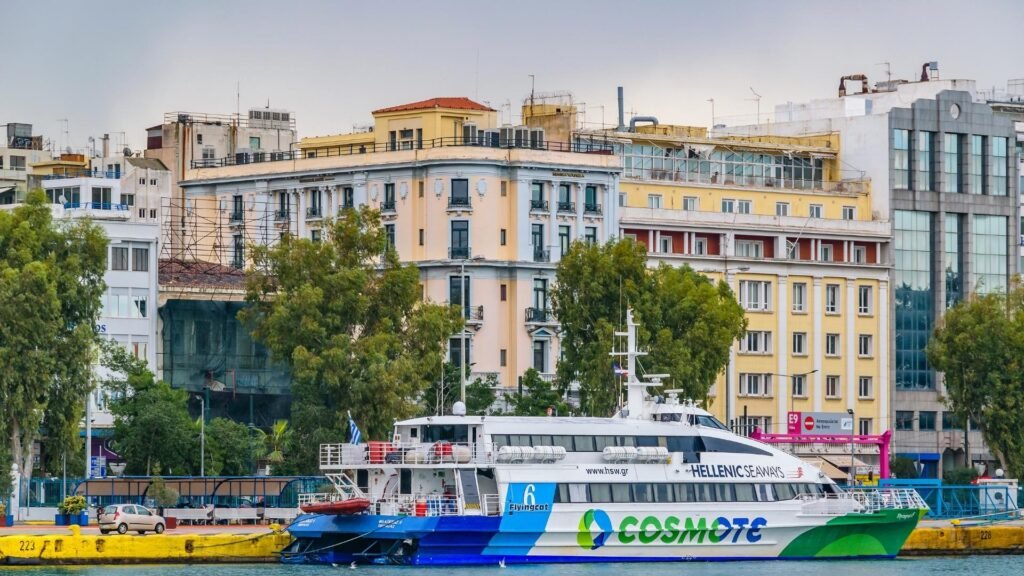
Patmos is the northernmost major island of the Dodecanese and a key stop on the ferry route from Piraeus (7-8 hours). It is perfectly positioned for visiting the smaller northern islands: Lipsi (20 mins), Arki (40 mins), and Agathonisi. Regular high-speeds connect Patmos to Leros (45 mins), Kalymnos (1 hour), and Kos (2 hours). There are also seasonal connections to Samos (Pythagorio), providing a bridge between the Dodecanese and the Eastern Aegean islands. Without an airport, Patmos relies on its sea connections, making it the heart of a truly authentic island-hopping circuit.