Tilos: The Sustainable Paradise of the Dodecanese
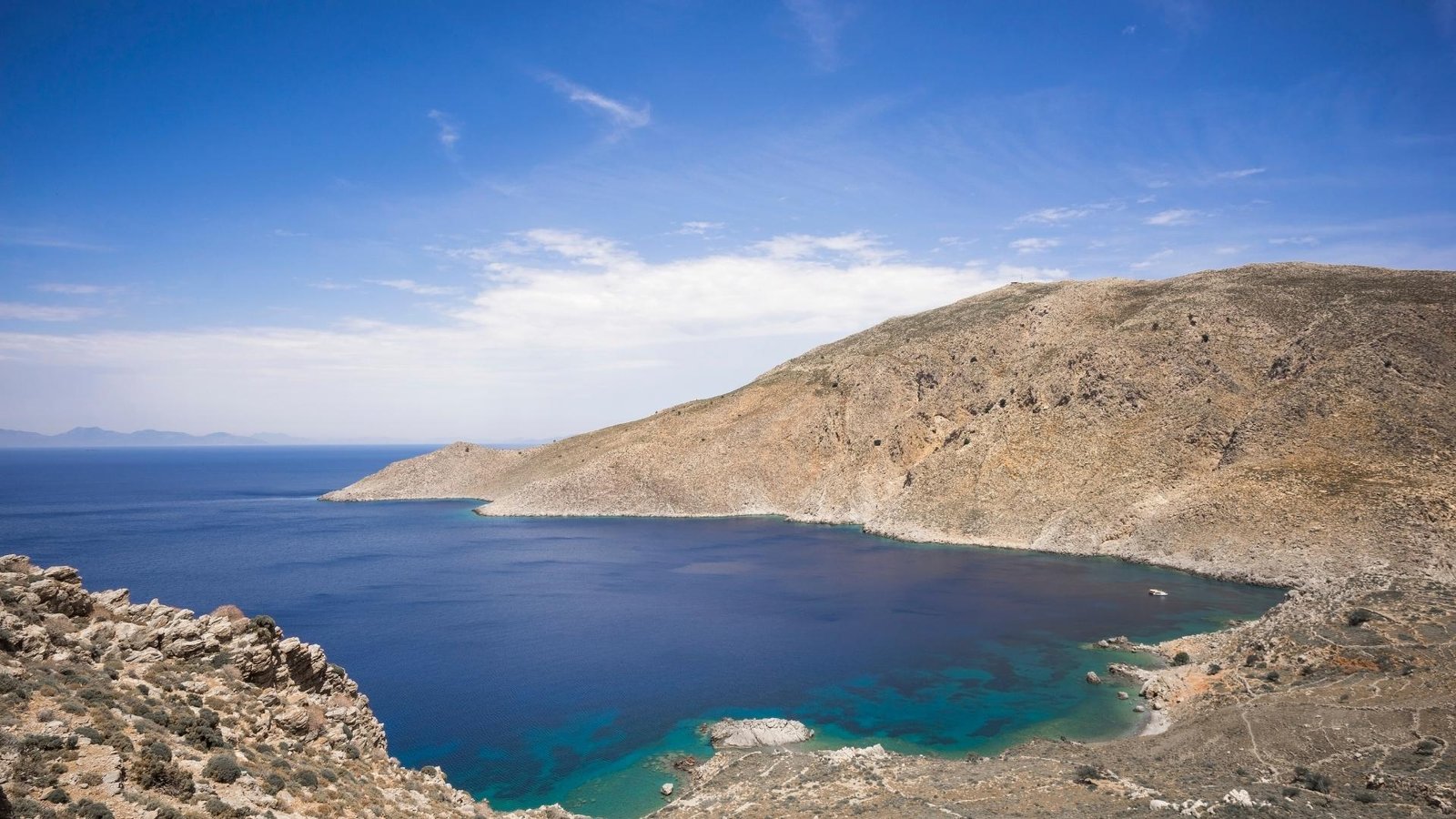
Tilos is an island of quiet hills, rare birds, and a pioneering spirit. Known as the first ‘green’ island in the Mediterranean, it is powered almost entirely by renewable energy and has a zero-waste policy. In 2026, Tilos remains a sanctuary for nature lovers, hikers, and those seeking a peaceful, alternative Greek experience. It is an island where the environment is respected, and the hospitality is as warm as the Aegean sun.
Things to know about Tilos
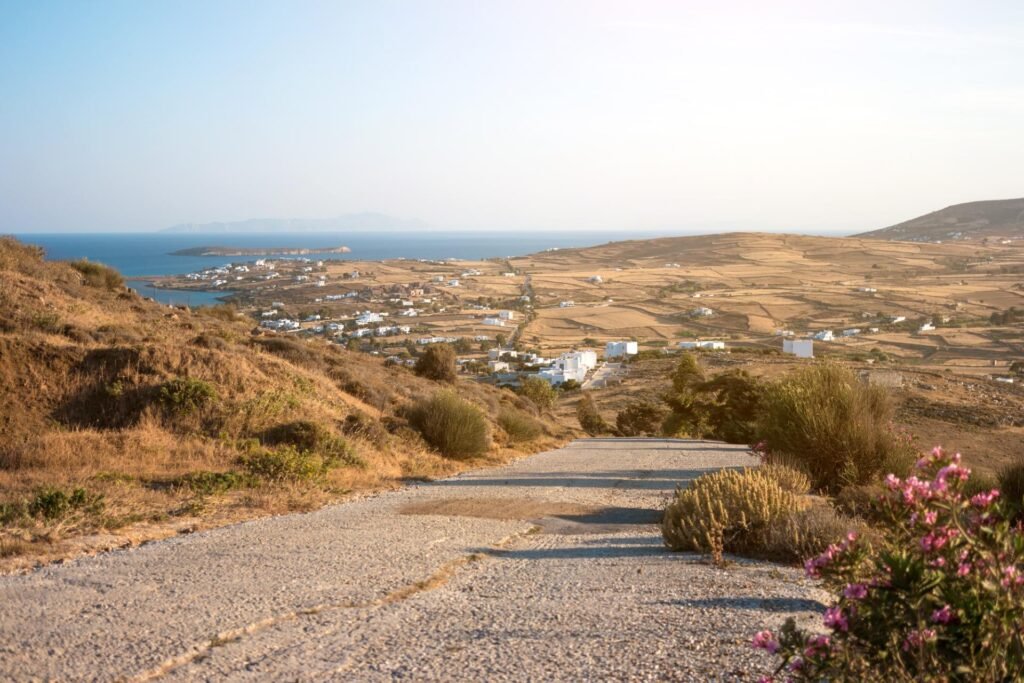
Geographically, Tilos is a small, S-shaped island located between Kos and Rhodes. Historically, it was the last place in Europe where dwarf elephants lived (until about 4,000 years ago). An ideal trip length is 4-5 days. It is famous for its rich biodiversity (the entire island is a nature reserve), the ghost village of Mikro Chorio, and its commitment to ecological sustainability.
Top attractions in Tilos
Mikro Chorio (The Ghost Village)
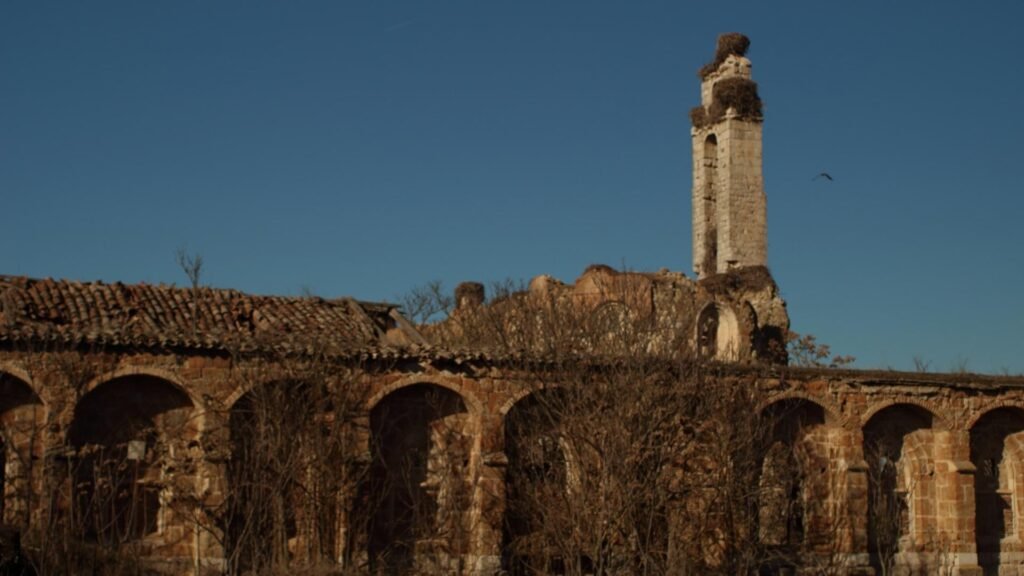
Abandoned in the 1950s, this medieval village is one of the most atmospheric places in Greece. You can walk through the ruined stone houses and churches. At night, a small bar opens among the ruins, illuminating the old walls and creating a truly magical setting.
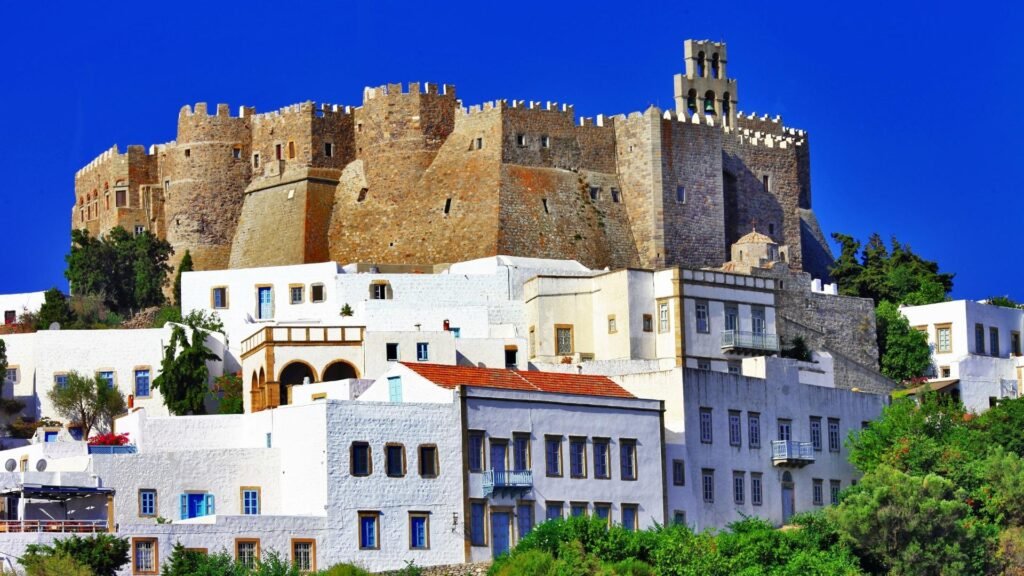
Monastery of Agios Panteleimon
Perched on a cliff overlooking the sea, this 15th-century monastery is the spiritual center of the island. It is surrounded by massive plane trees and has a natural spring. The frescoes inside are stunning, and the view over the Aegean is unparalleled.
Elephant Museum
Located in Megalo Chorio, this museum houses the fossilized remains of the dwarf elephants found in the nearby Harkadio Cave. It is a fascinating look at the prehistoric fauna of the Aegean and the island’s unique geological history.
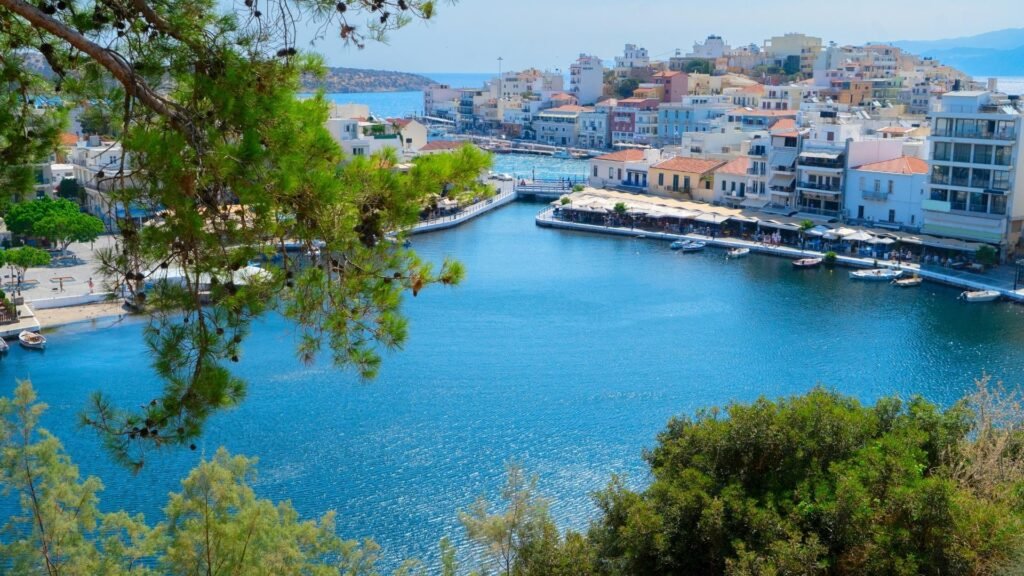
Livadia Port and Beach
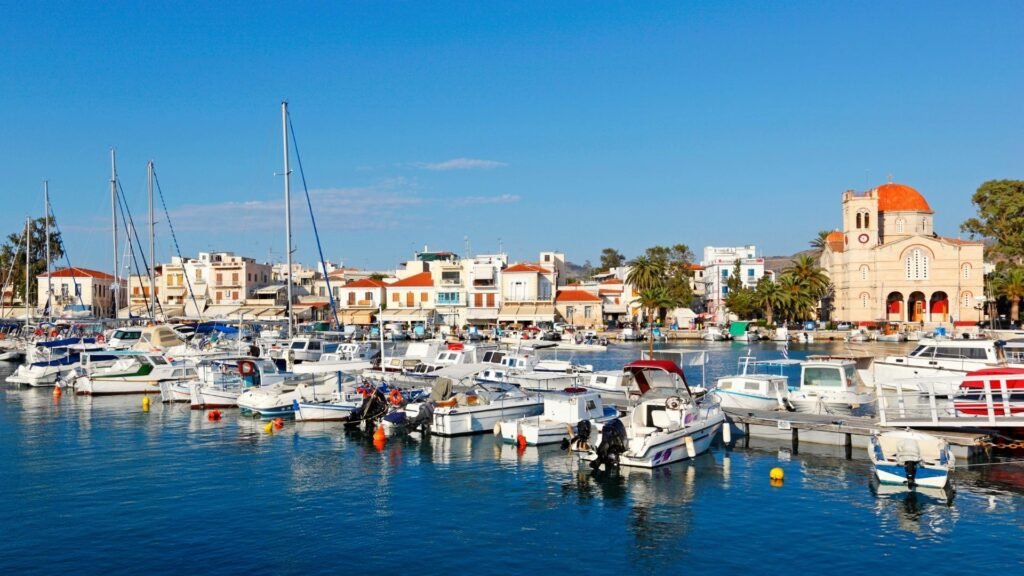
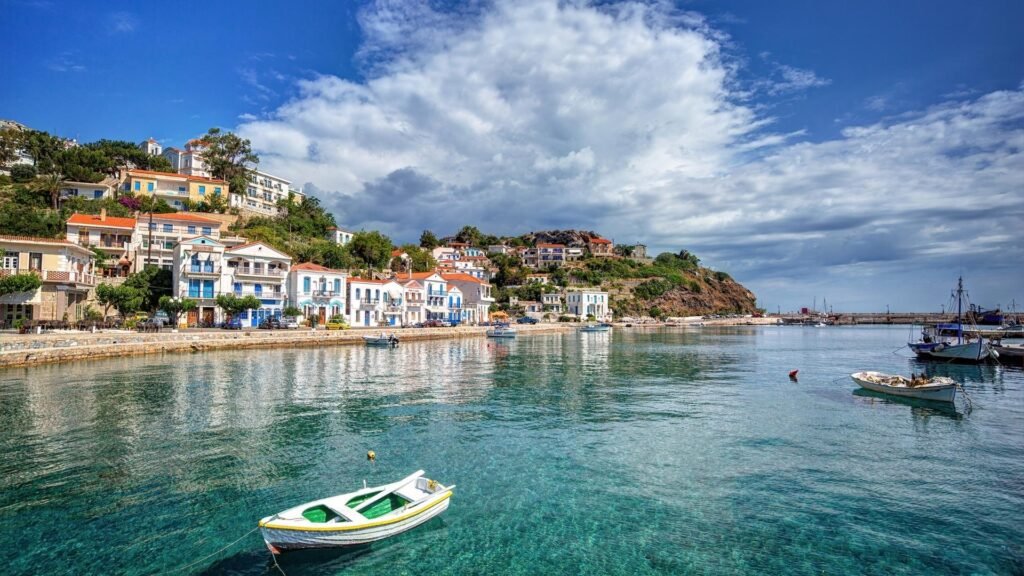
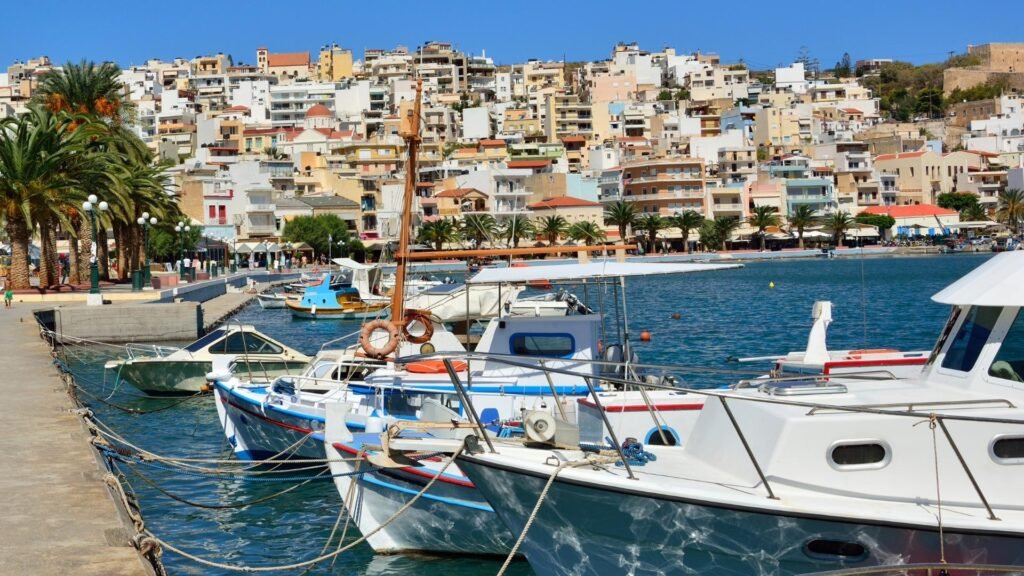
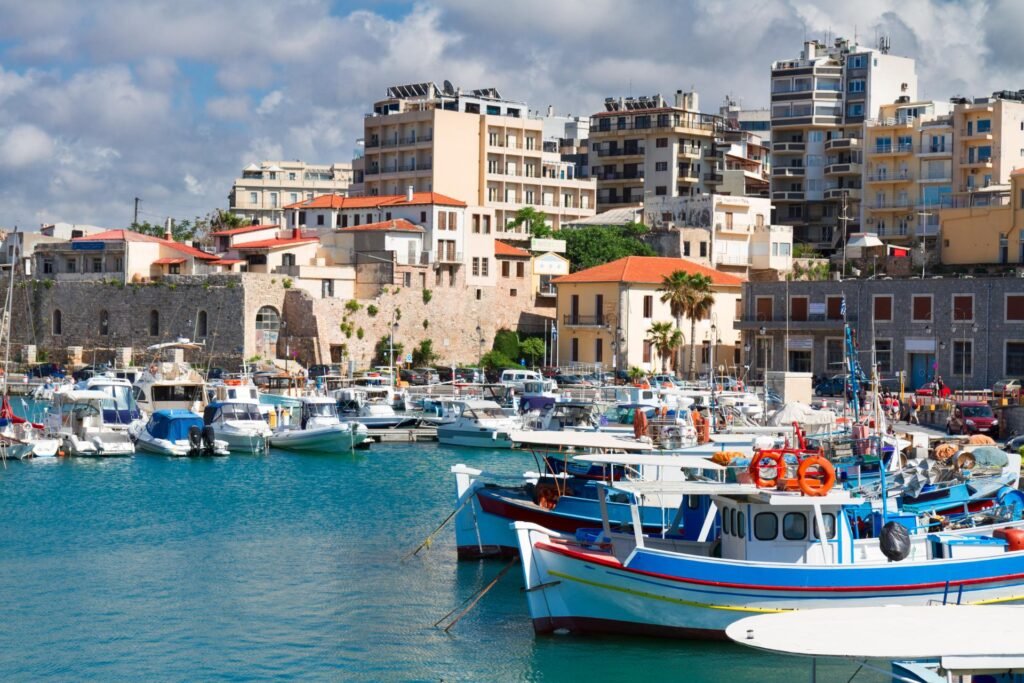
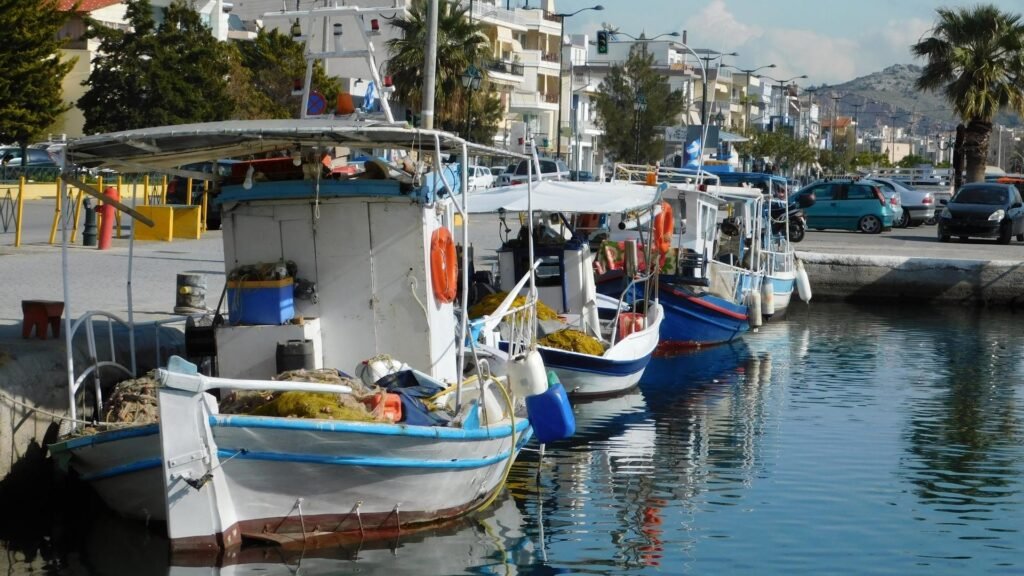
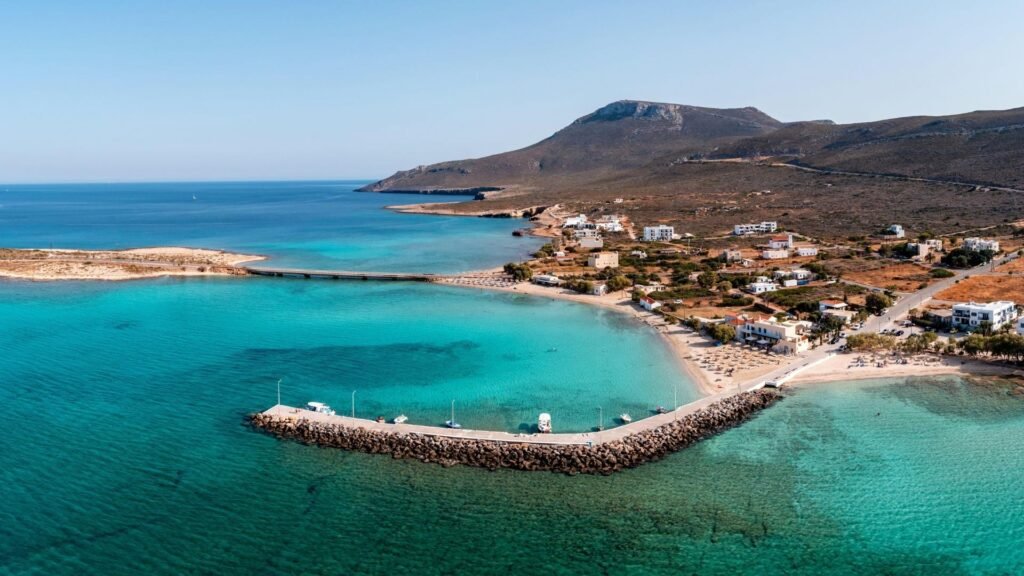
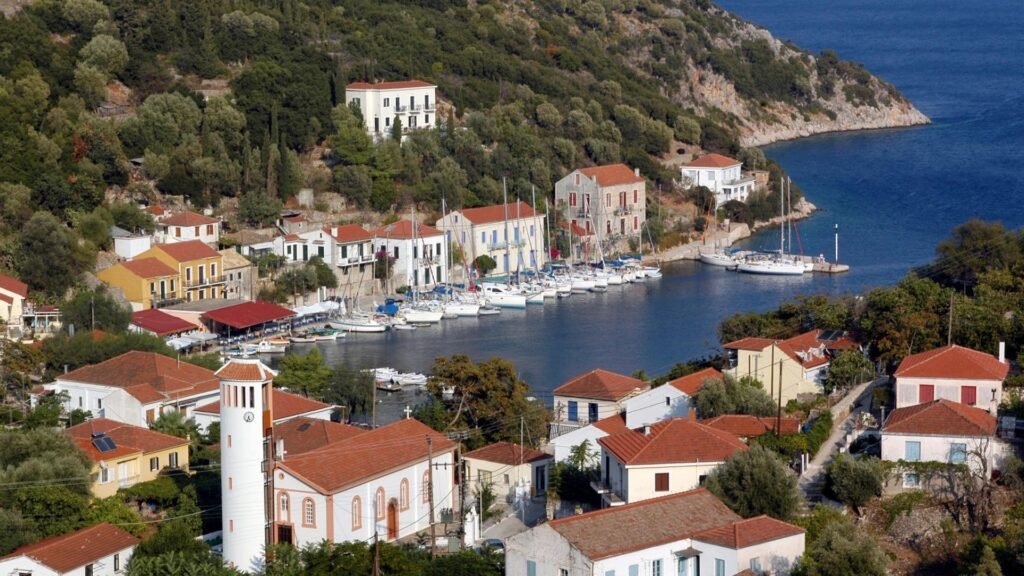
The main port is a friendly, relaxed village with a long pebble beach and crystal-clear water. The waterfront is lined with taverns and cafes that emphasize local, organic products, reflecting the island’s green philosophy.
Megalo Chorio (The Capital)
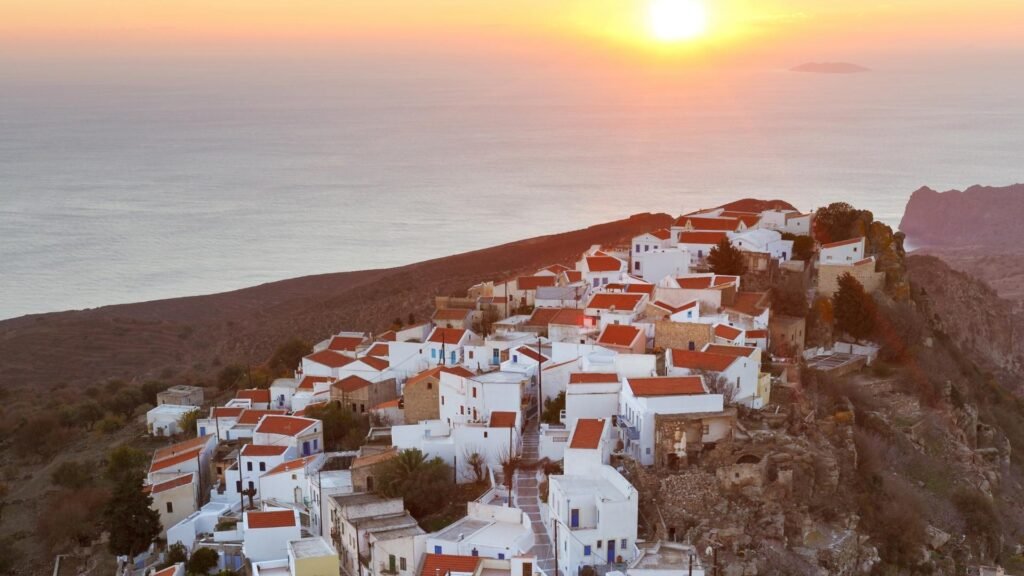
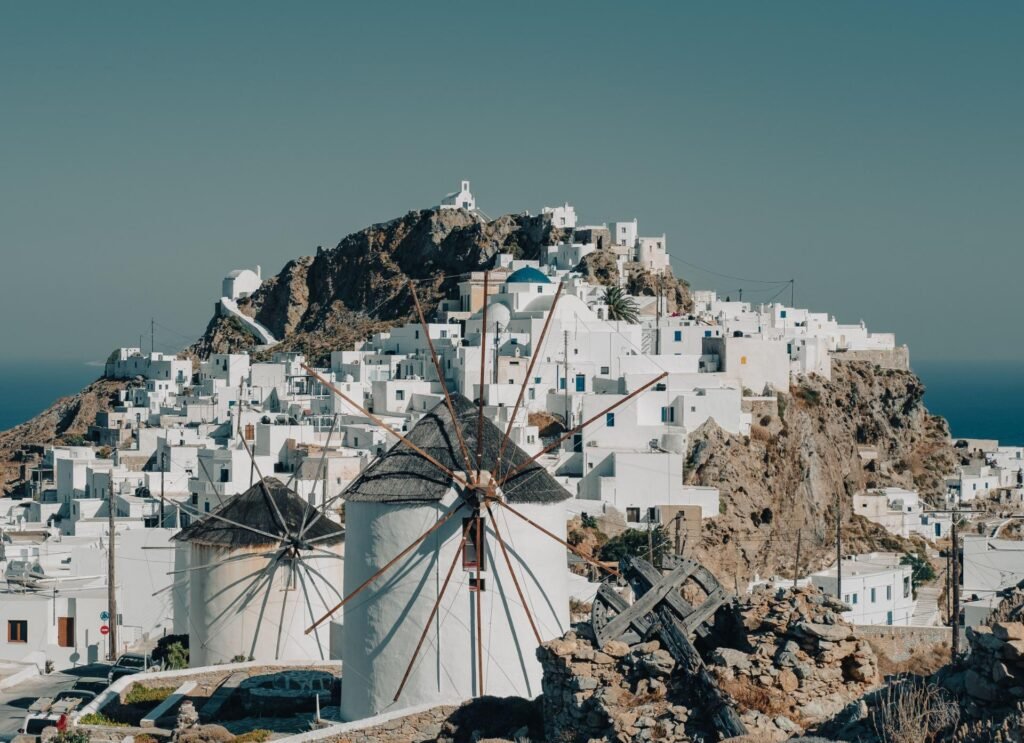
Built on a hillside below a medieval castle, the capital is a traditional village of white-washed houses and narrow alleys. A hike up to the castle ruins offers a spectacular view of the entire island and the neighboring Dodecanese.
Eristos Beach
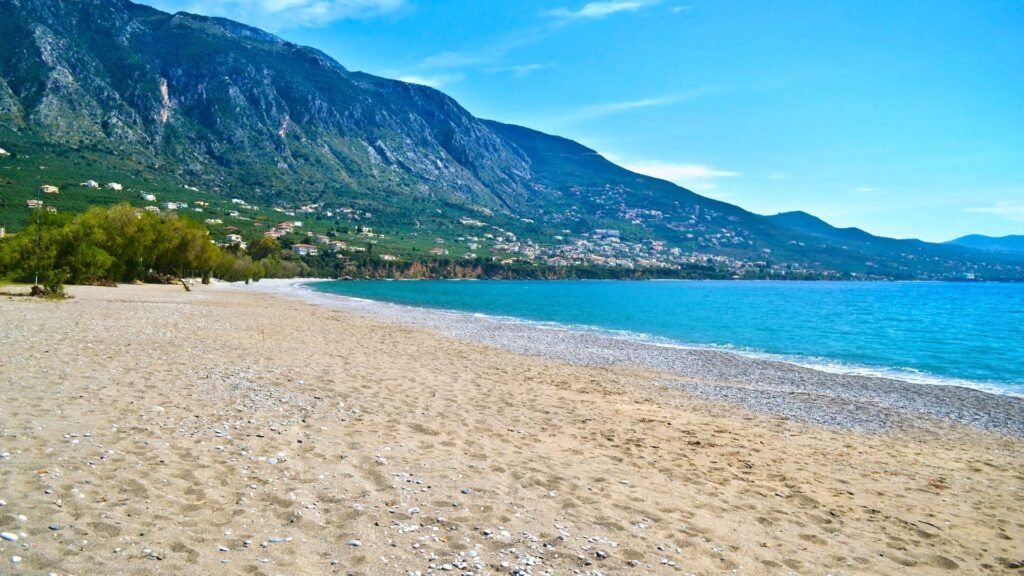
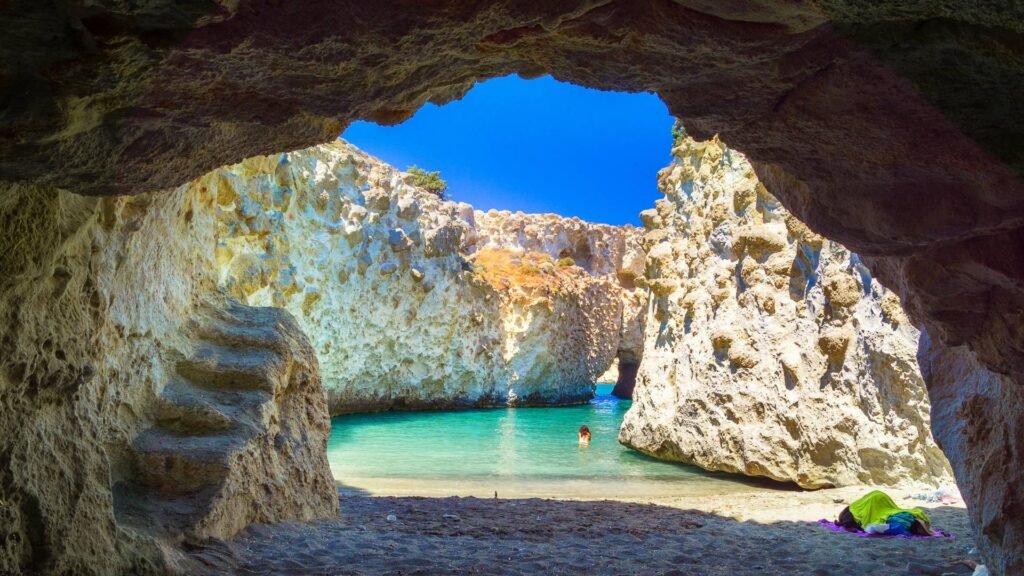
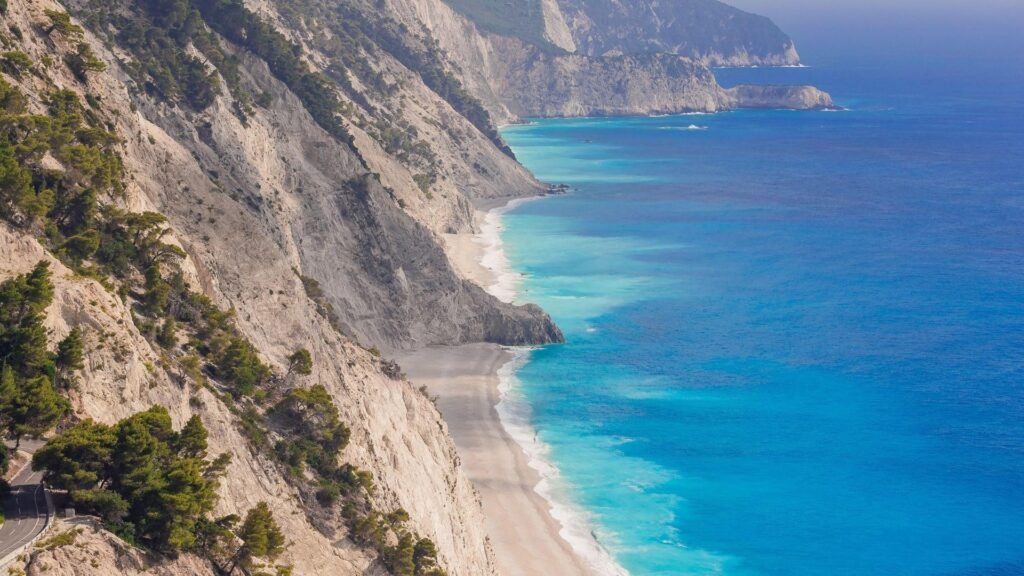
The largest and most beautiful beach on the island, Eristos is a long stretch of golden sand and pebbles. It is a wild beach, perfect for those who want to be close to nature, and it is known for its exceptionally clean and refreshing water.
Harkadio Cave
The site where the dwarf elephant fossils were discovered. While the cave itself is not always open for internal tours, the surrounding area is a beautiful hiking destination that offers insight into the island’s ancient past.
The Bird Watching Trails
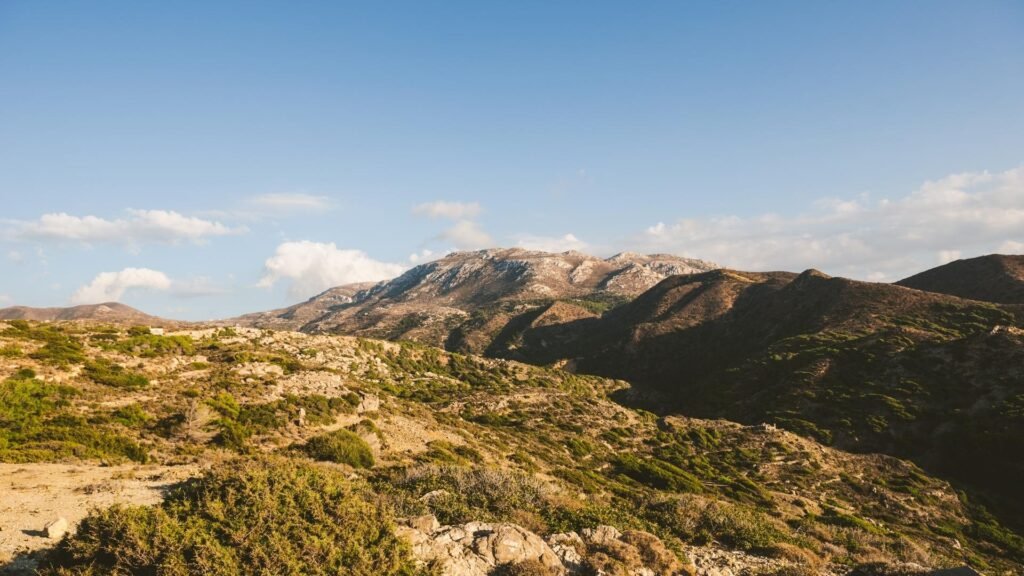
As a protected nature reserve, Tilos is home to over 150 species of birds, including the rare Bonelli’s eagle and Eleonora’s falcon. The island has an extensive network of trails designed specifically for bird watching and nature photography.
Agios Antonios Harbor
A tiny, picturesque fishing harbor on the north coast. It features a small beach where you can see the remains of fossilized human skeletons (from a volcanic eruption) in the rocks at the water’s edge, and a few excellent fish taverns.
Lethra Beach
Accessible only by a 45-minute hike from Livadia, Lethra is a secluded pebble beach with total peace and quiet. The walk along the coastal path is one of the most beautiful on the island, offering constant views of the sea.
Island-hopping from Tilos
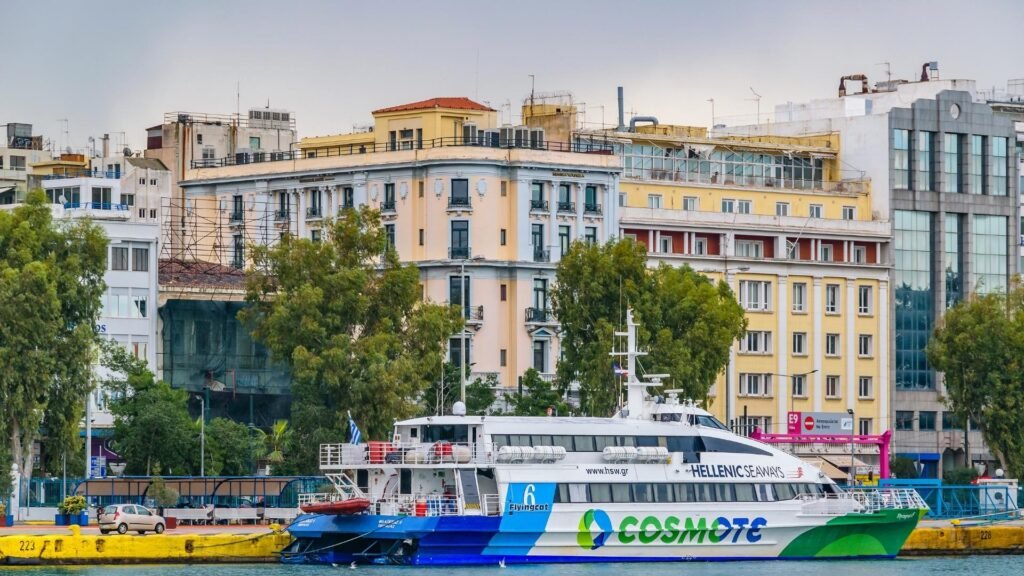
Tilos is most easily reached from Rhodes (2 hours) or Kos (1.5 hours) via the Dodekanisos Seaways high-speed boats. It is also a stop for the larger ferries connecting Piraeus to the Dodecanese. Its central location makes it a perfect quiet stop between the busier hubs of Rhodes and Kos.