Thessaloniki: The Byzantine Muse and Culinary Capital
Thessaloniki is a city of layers, where 2,300 years of history have left behind a mosaic of Roman ruins, Byzantine churches, and Ottoman monuments. As the second city of Greece and the capital of Macedonia, Thessaloniki has a vibe that is uniquely its own—slower, more intellectual, and deeply obsessed with food. In 2026, Thessaloniki remains the most vibrant urban destination in the Balkans, famous for its 15 UNESCO World Heritage sites and its legendary ‘Ano Poli’ (Upper Town). From the iconic White Tower to the trendy Ladadika district, Thessaloniki is a city that doesn’t just show you its history; it invites you to live it.
Things to know about Thessaloniki
Geographically, Thessaloniki is built around the Thermaic Gulf, rising from the sea to the foothills of Mount Chortiatis. Historically, it was the ‘Co-reigning’ city of the Byzantine Empire alongside Constantinople. An ideal trip length is 4-5 days. It is famous for its multicultural heritage, its massive student population, and for being named a UNESCO City of Gastronomy. The city is the primary hub for Northern Greece, serving as the gateway to Halkidiki, Mount Athos, and the northern Aegean islands.
Top attractions in Thessaloniki
The White Tower
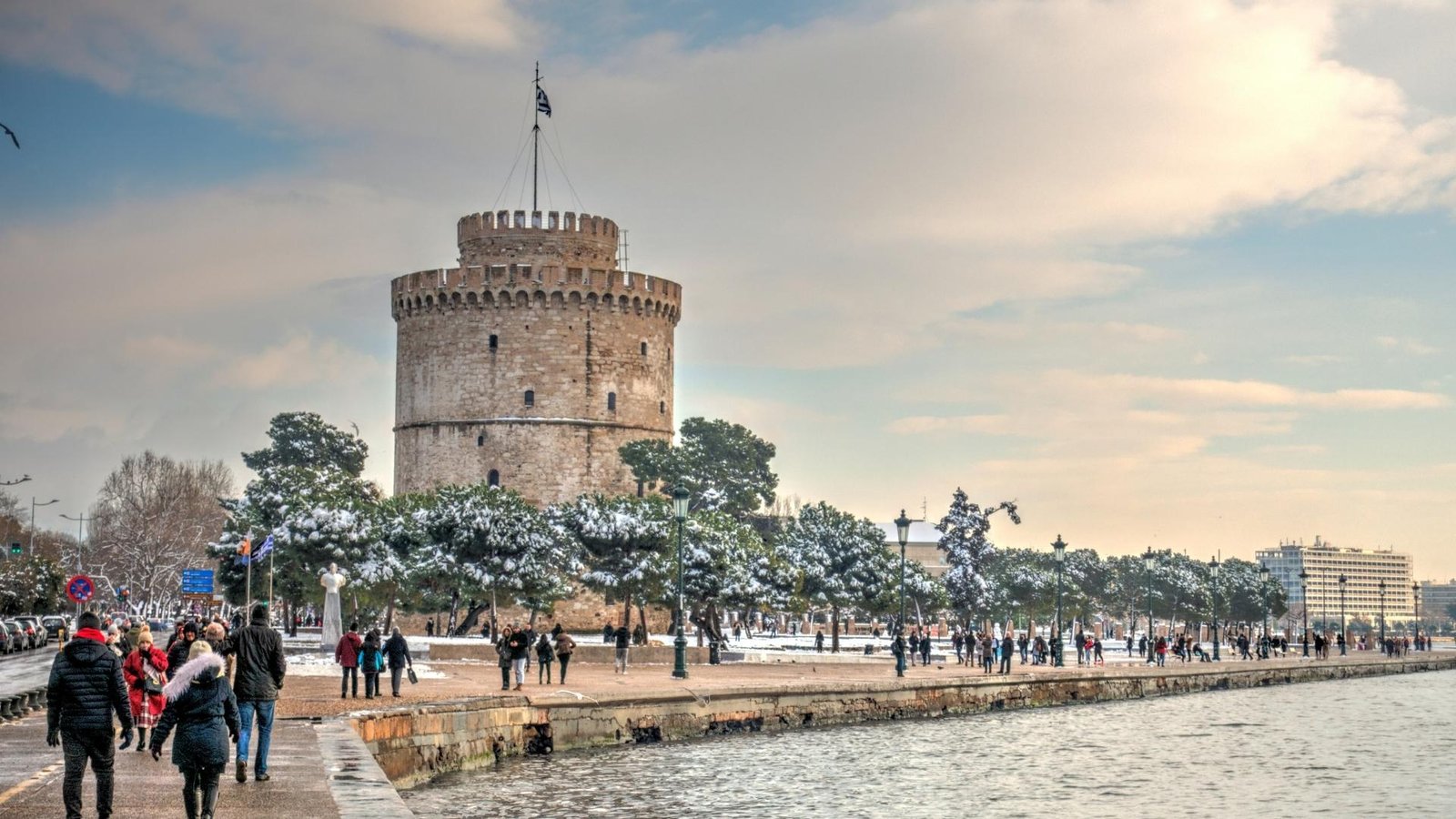
The symbol of the city, this 15th-century Ottoman tower once served as a fortress and a prison. Today, it houses a museum of the city’s history. Walking to the top provides the most iconic view of the Thessaloniki waterfront and the vast Thermaic Gulf.
Ano Poli (The Upper Town)
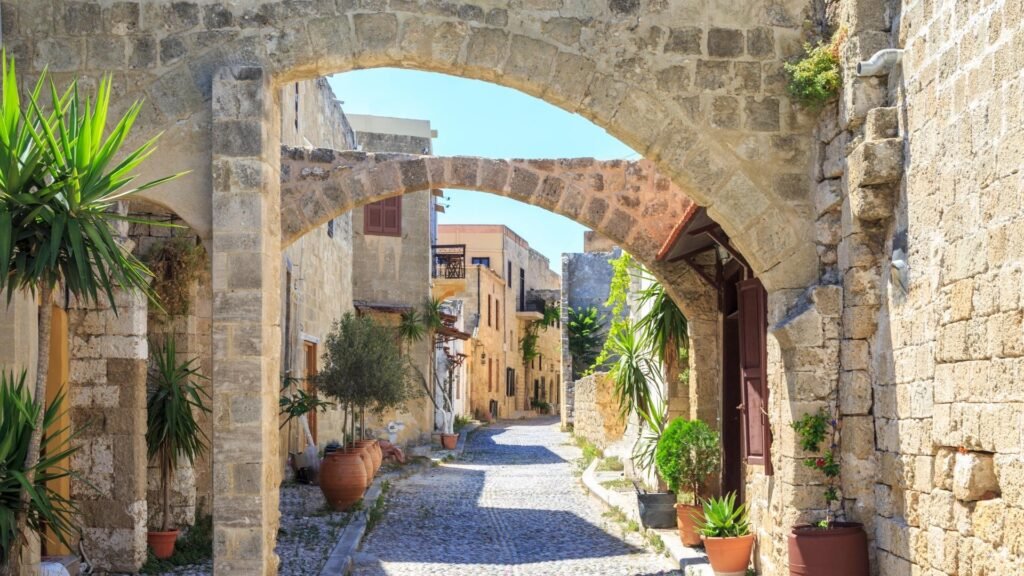
The only part of the city that survived the Great Fire of 1917, Ano Poli is a maze of narrow streets and traditional Macedonian houses. Enclosed by the Byzantine walls and the Heptapyrgion fortress, it offers a sense of old Thessaloniki and the best sunset views.
The Rotunda and Arch of Galerius
Built by the Roman Emperor Galerius in the 4th century AD, these monuments are part of a massive imperial complex. The Rotunda, with its incredible mosaics, has served as a temple, a church, and a mosque, reflecting the city’s complex religious history.
The Church of Agios Dimitrios
The most important church in the city, dedicated to its patron saint. This UNESCO-listed basilica features rare mosaics and a crypt where the saint was martyred. It is a site of great spiritual and architectural significance.
Ladadika and the Central Market (Modiano)
Ladadika is the city’s old olive oil district, now a pedestrian zone of colorful bars and traditional taverns. Nearby, the newly renovated Modiano and Kapani markets are the soul of the city’s food culture, where you can find everything from local cheeses to Balkan spices.
Aristotelous Square
One of the most impressive squares in Greece, Aristotelous opens directly onto the sea. Surrounded by grand neoclassical buildings, it is the center of the city’s public life and the site of major cultural events and festivals.
The Archaeological Museum of Thessaloniki
A world-class museum housing treasures from across Macedonia, including the Derveni Papyrus (the oldest book in Europe) and magnificent gold jewelry from ancient burial sites. It provides a deep look at the rise of the Macedonian kingdom.
The Museum of Byzantine Culture
An award-winning museum that explores the art, daily life, and religion of the Byzantine Empire. The presentation is modern and engaging, making it one of the best museums in Greece for understanding the medieval Aegean world.
The Waterfront (Nea Paralia)
The 5km waterfront promenade of Thessaloniki is one of the best urban redesigns in Europe. It features various ‘themed gardens,’ public art (like Zongolopoulos’s Umbrellas), and endless space for walking and cycling by the sea.
The Heptapyrgion (Yedi Kule)
A Byzantine and Ottoman fortress overlooking the city from the top of Ano Poli. It later served as a high-security prison and is now a historical site that tells the darker, more dramatic stories of Thessaloniki’s recent past.
Island-hopping from Thessaloniki
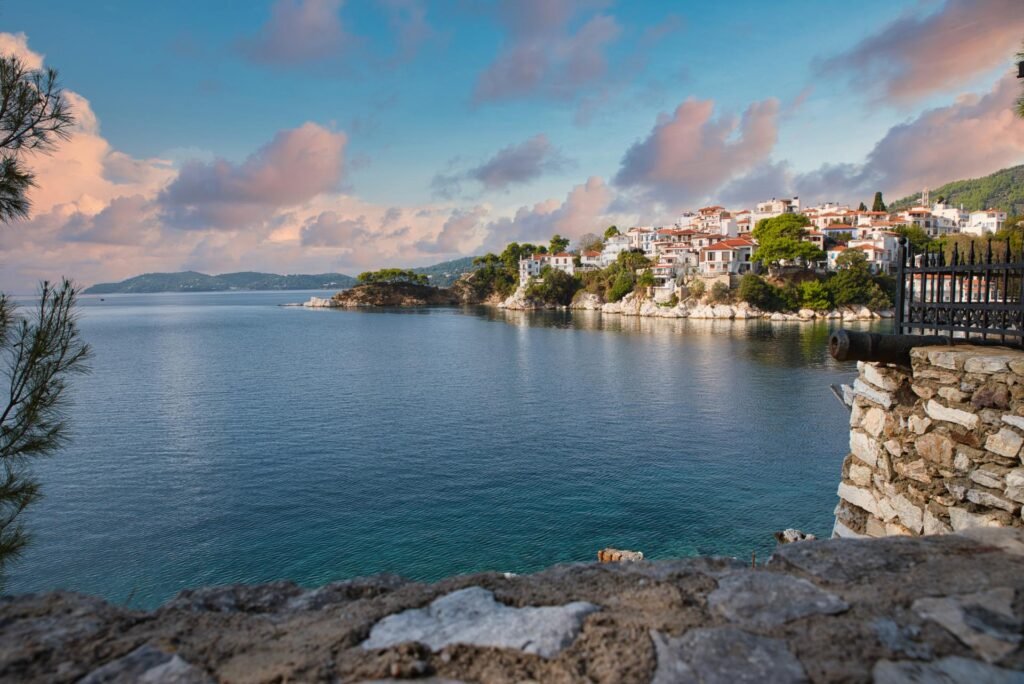
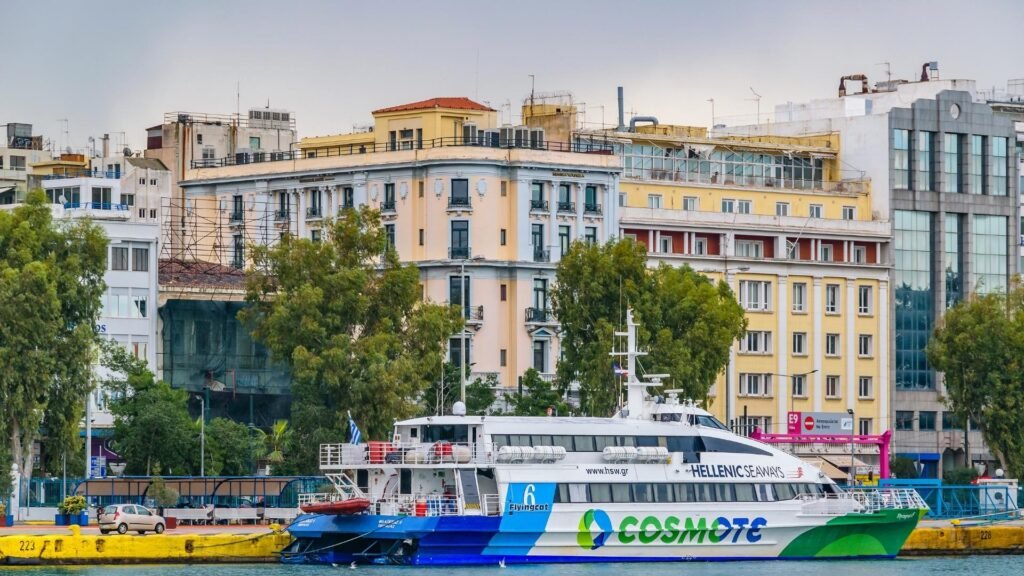
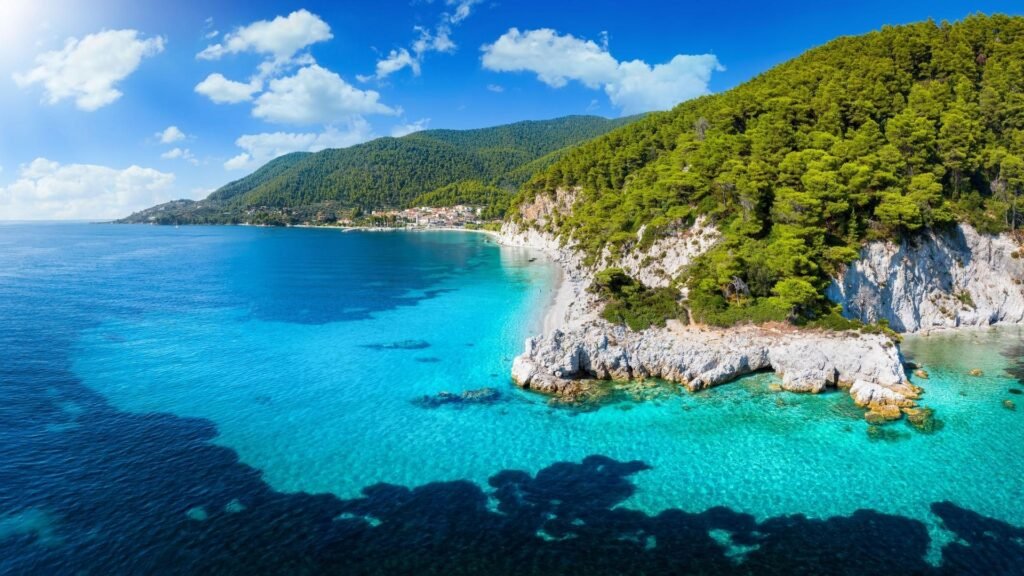
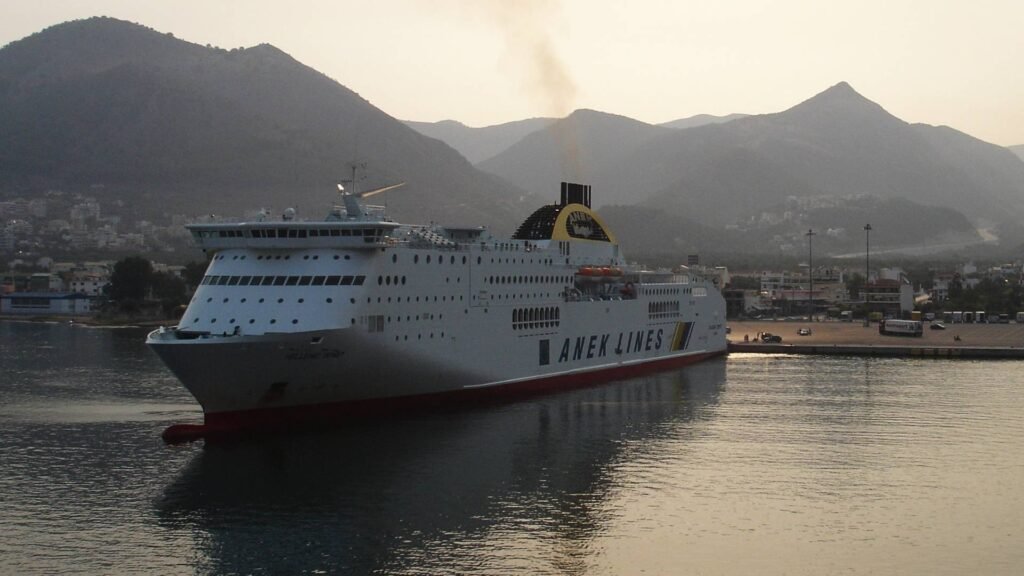
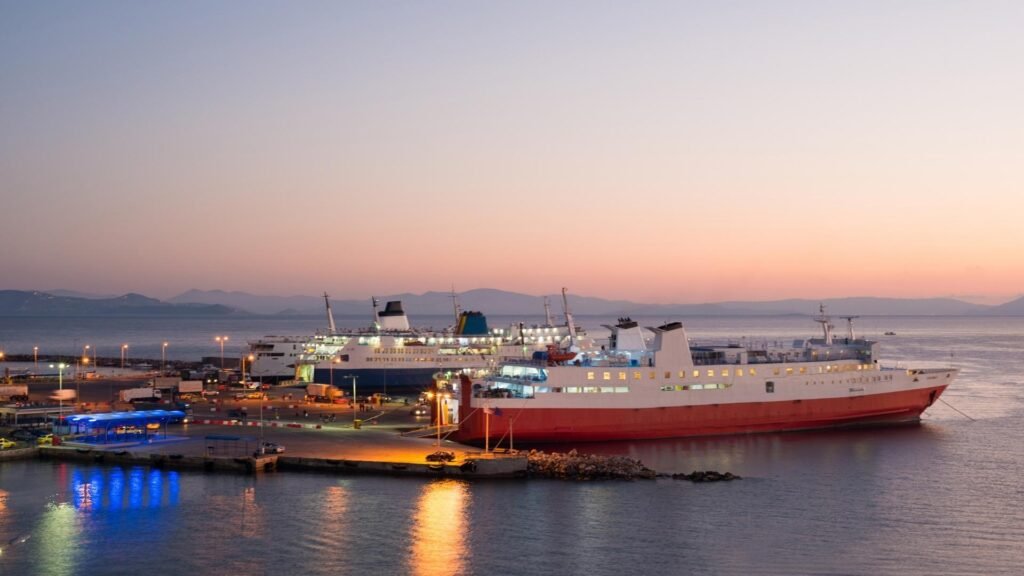
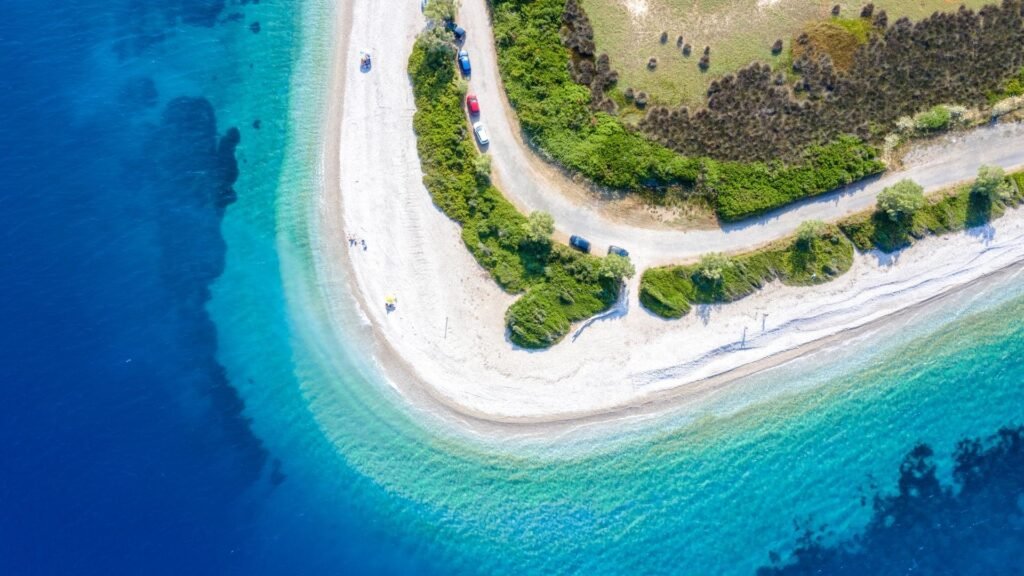
Thessaloniki is the northernmost ferry hub in Greece. During summer, daily high-speed ferries connect Thessaloniki to the Sporades (Skiathos, Skopelos, Alonnisos – 3 hours). There are also weekly connections to the Cyclades (Mykonos, Syros) and the Northern Aegean (Lesbos, Lemnos). Thessaloniki International Airport (SKG) is the second busiest in the country, offering direct flights to almost all European capitals and the Greek islands.