Amorgos: The Island of The Big Blue
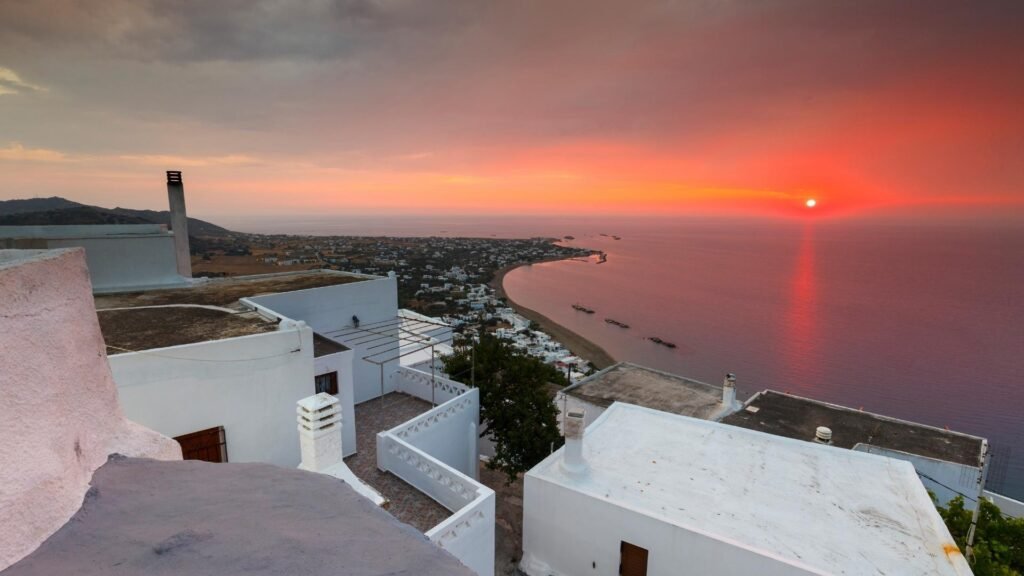
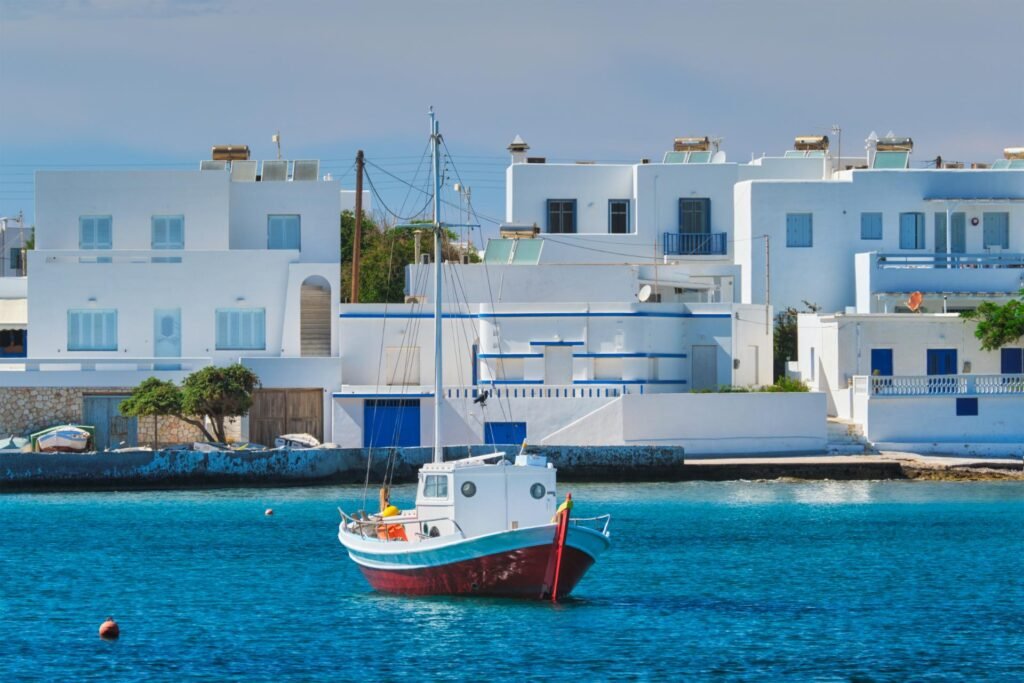
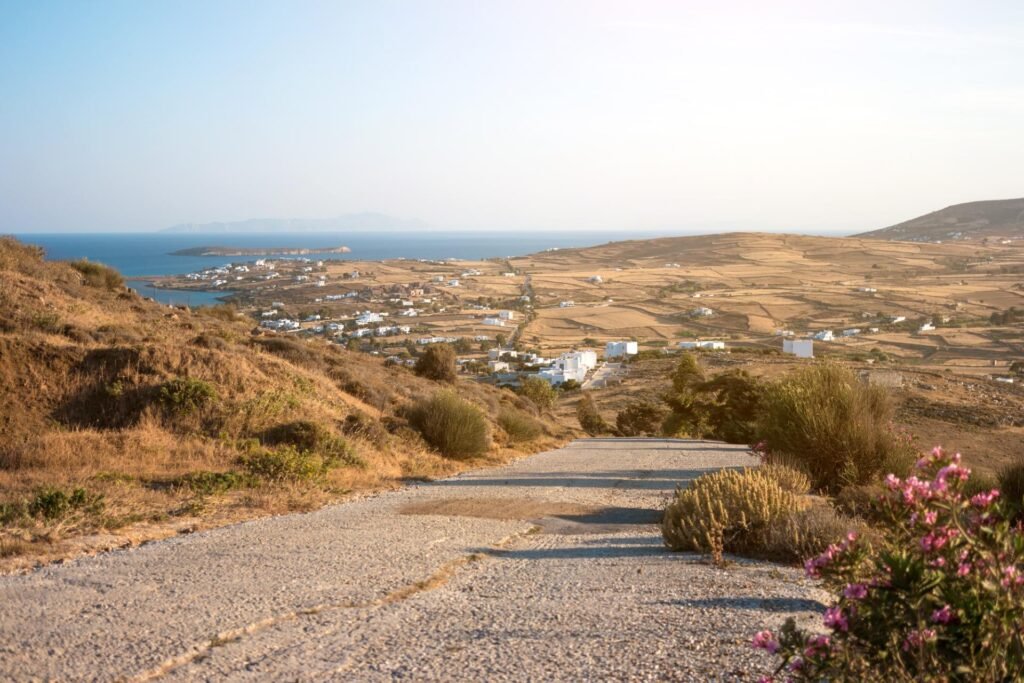
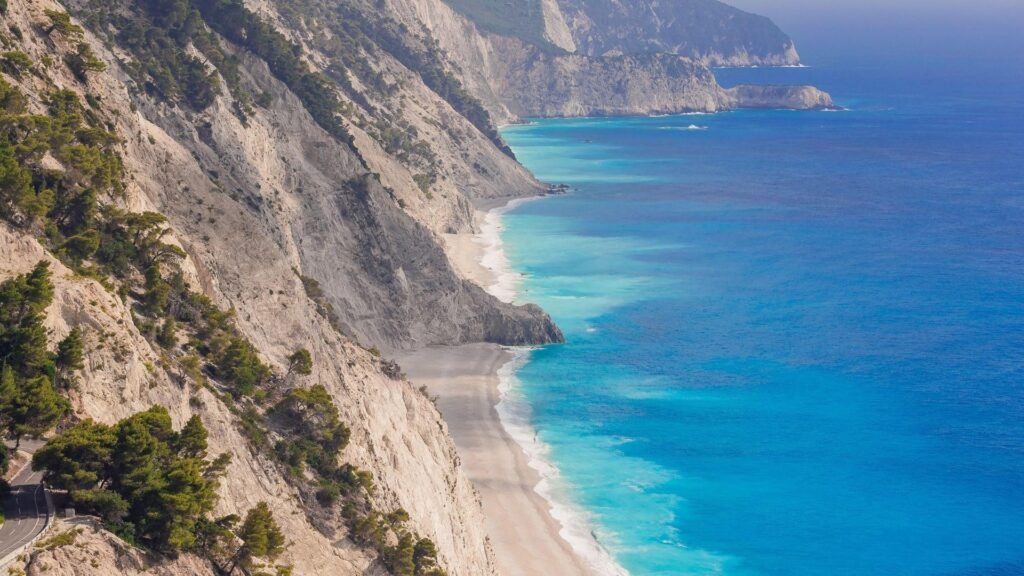
Amorgos is an island of wild peaks and deep, translucent waters. It is the easternmost of the Cyclades, a place where time seems to have slowed down. Famous as the filming location for Luc Besson’s ‘The Big Blue’, Amorgos attracts hikers, pilgrims, and those seeking a spiritual connection with the Aegean. In 2026, it remains a bastion of tradition, known for its high-energy festivals and its staggering monastery built into a cliffside.
Things to know about Amorgos
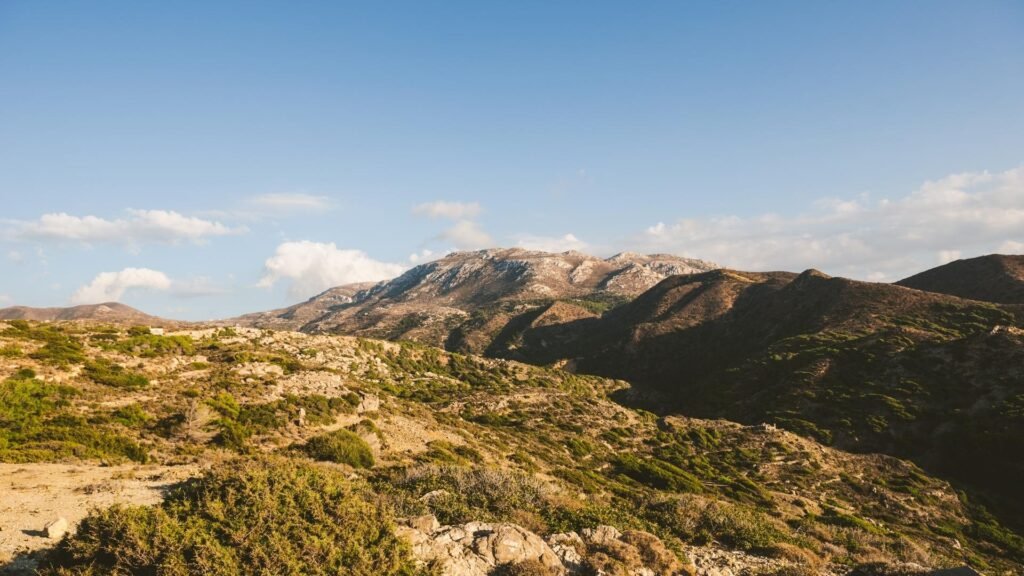
Geographically, Amorgos is long and narrow, with a central mountain range that drops sharply into the sea. Historically, it was a center of early Cycladic civilization. An ideal trip length is at least 5-6 days, as the island is large and requires time to navigate its winding roads. It is famous for the Hozoviotissa Monastery, its traditional ‘Psimeni Raki’ (spiced spirit), and its incredibly clear, deep-blue sea.
Top attractions in Amorgos
Monastery of Panagia Hozoviotissa
Visible only as a white streak on a sheer cliff face 300 meters above the sea, this 10th-century monastery is one of the most impressive religious sites in the world. Visitors must climb 350 steps to reach it, where they are rewarded with breathtaking views and a taste of the monks’ traditional raki and loukoumi.
Amorgos Chora
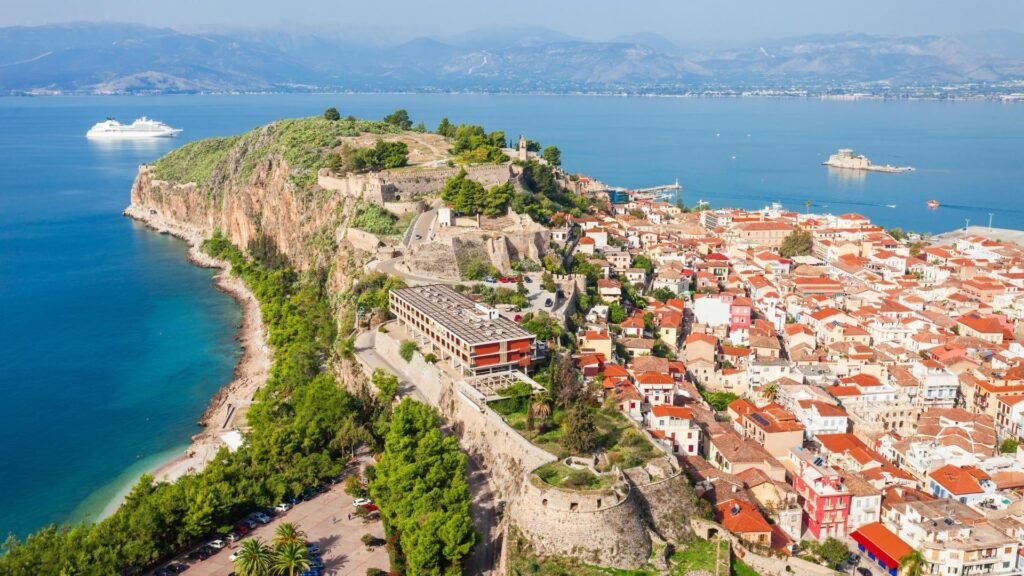
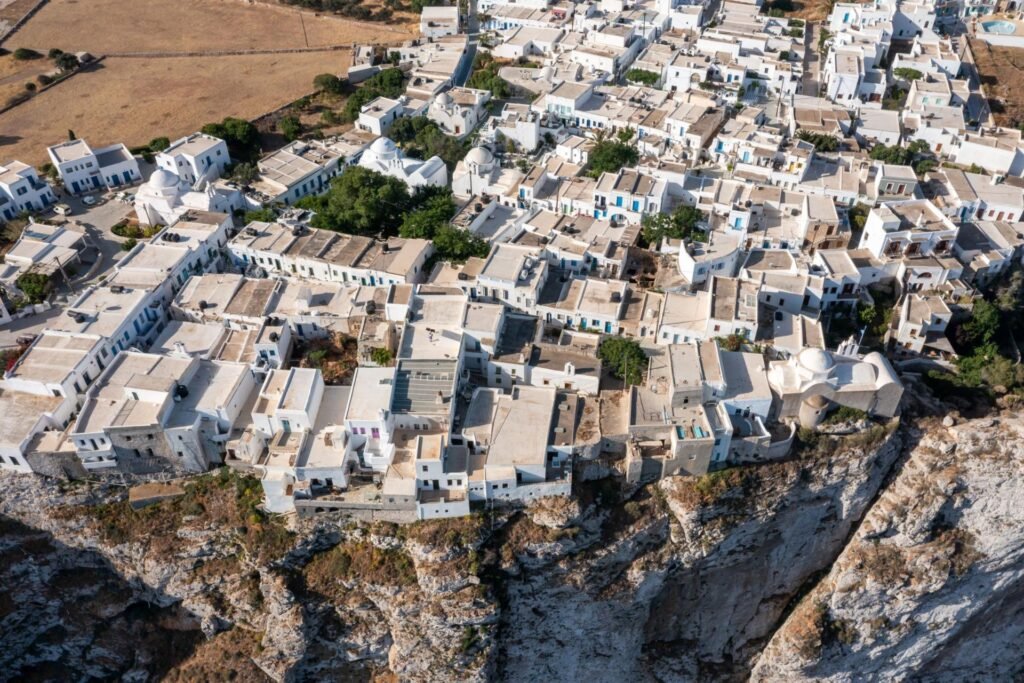
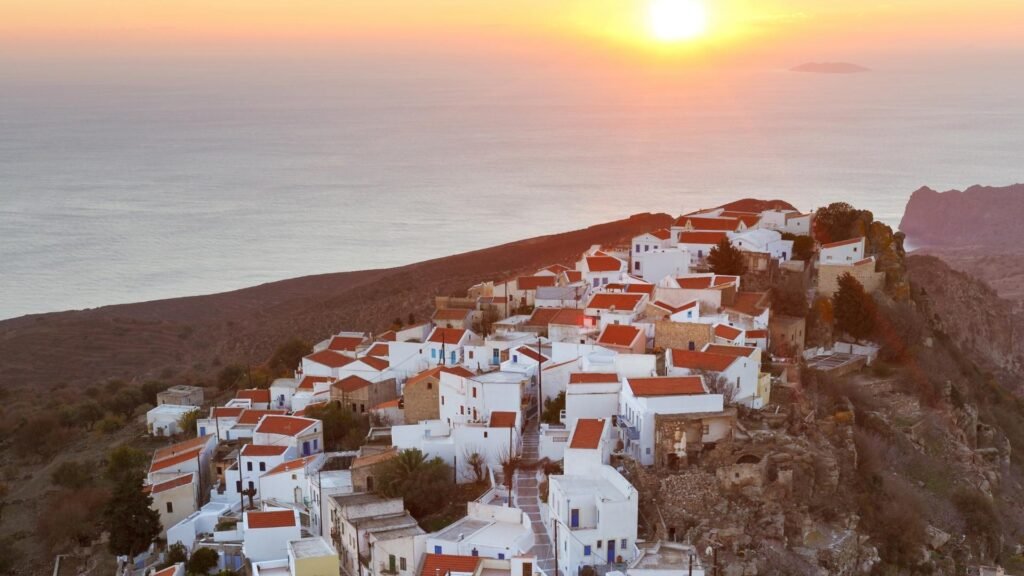
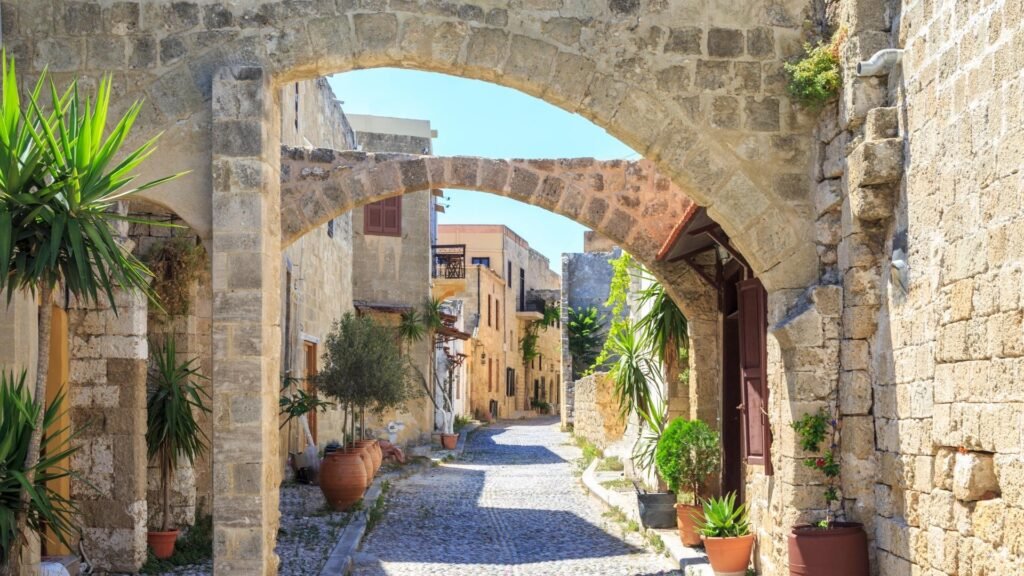
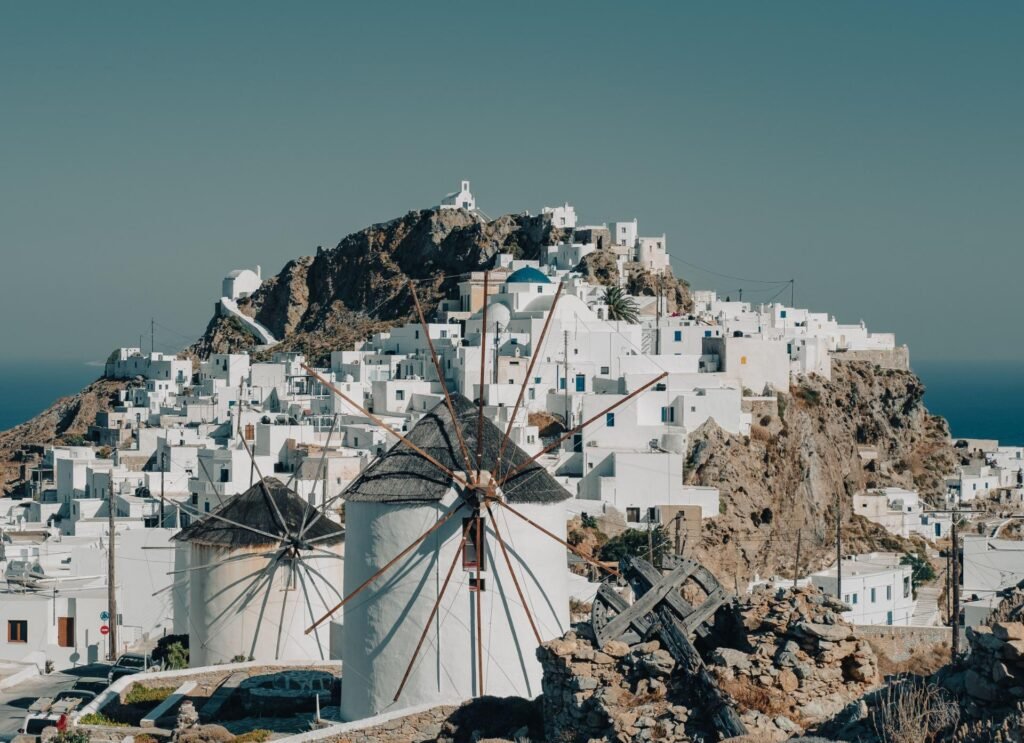
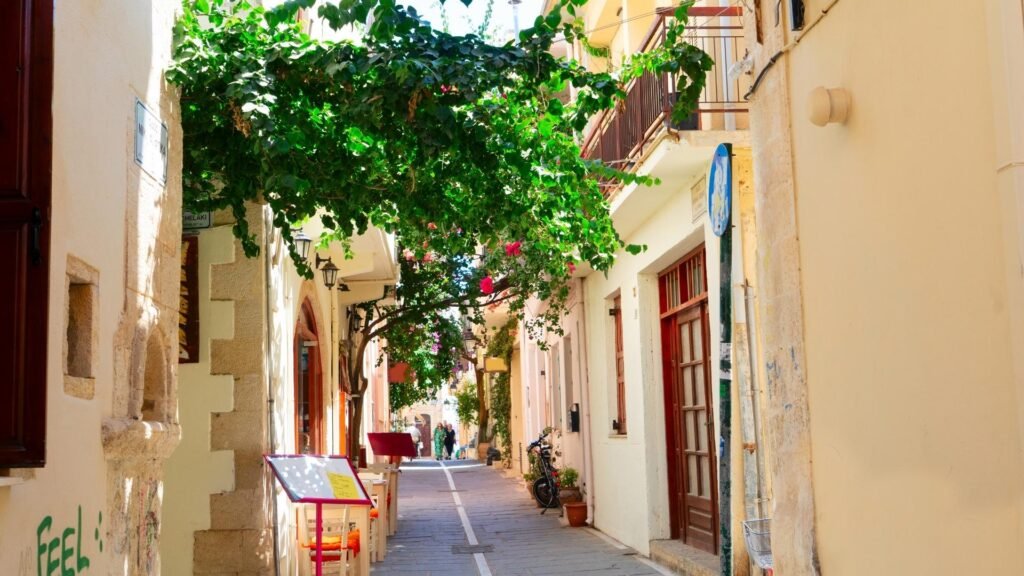
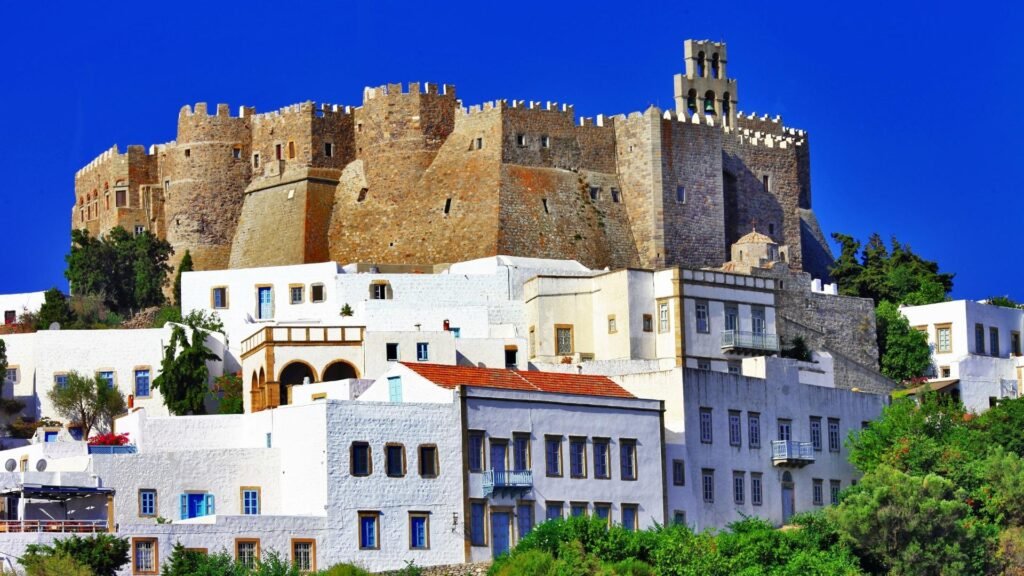
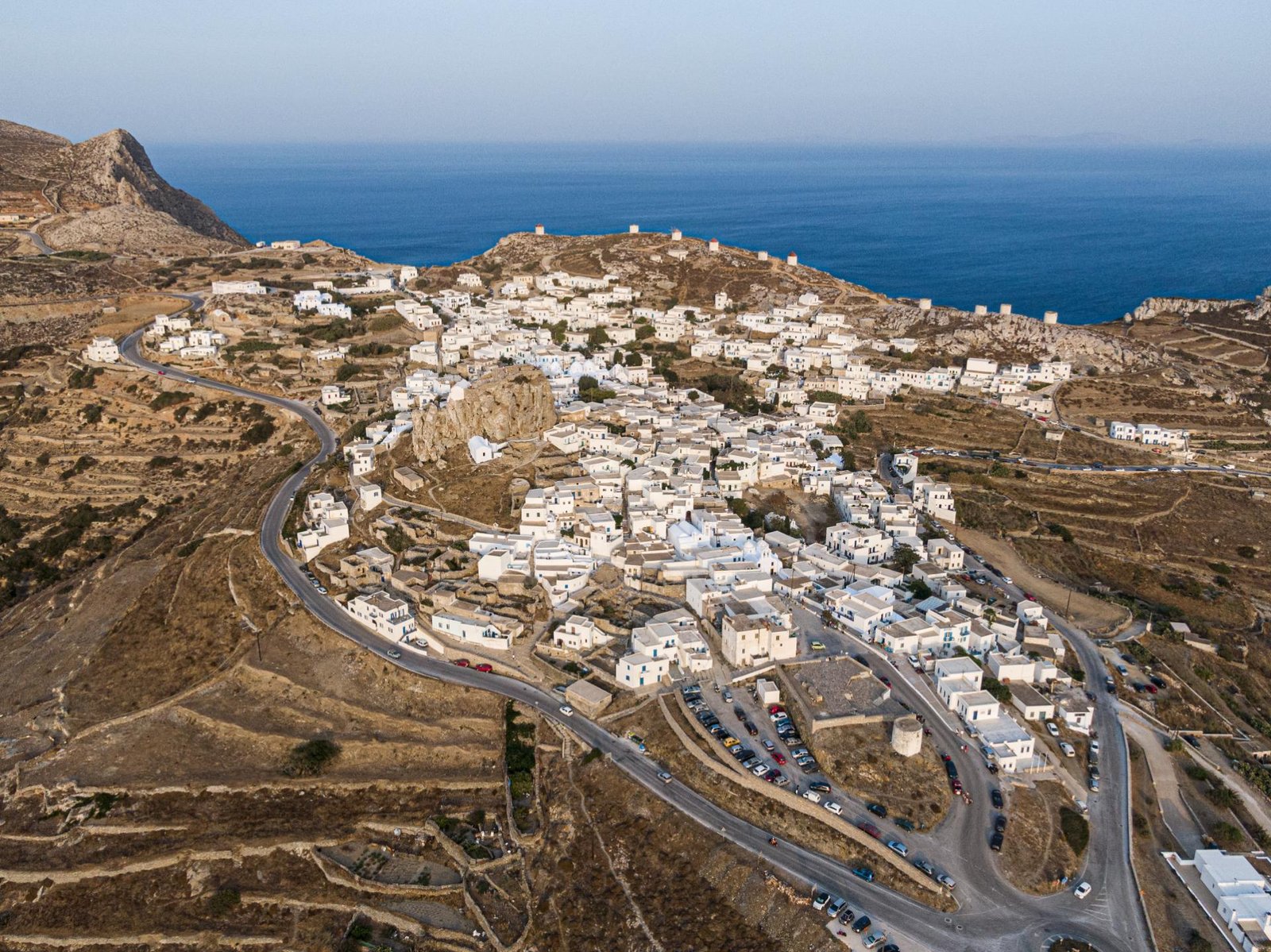
Often called the most beautiful village in the Cyclades, Chora is built around a 13th-century Venetian castle. Its main square is filled with eucalyptus trees and small cafes, and the labyrinth of white-washed alleys is impeccably preserved and full of hidden chapels.
Agia Anna Beach
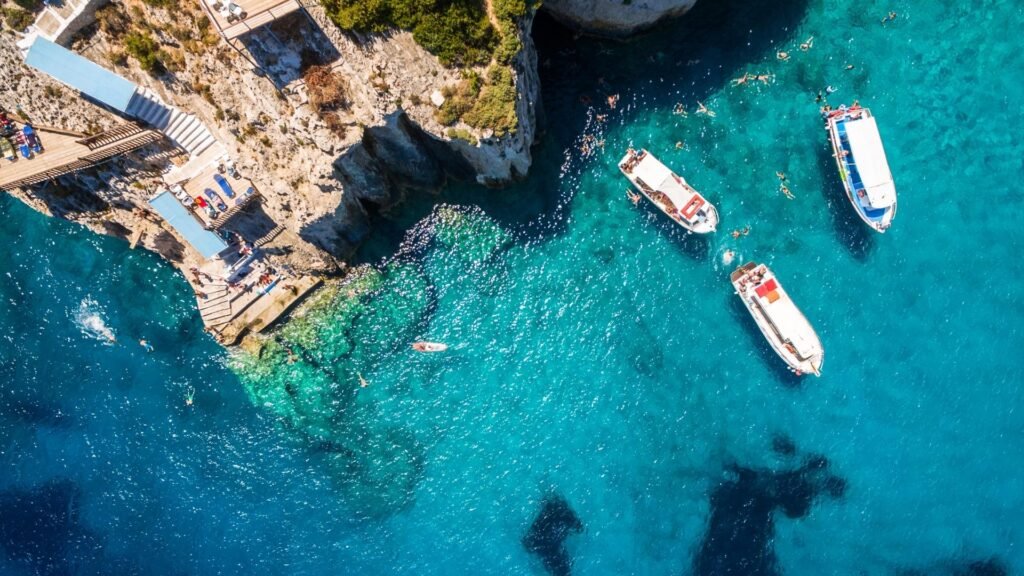
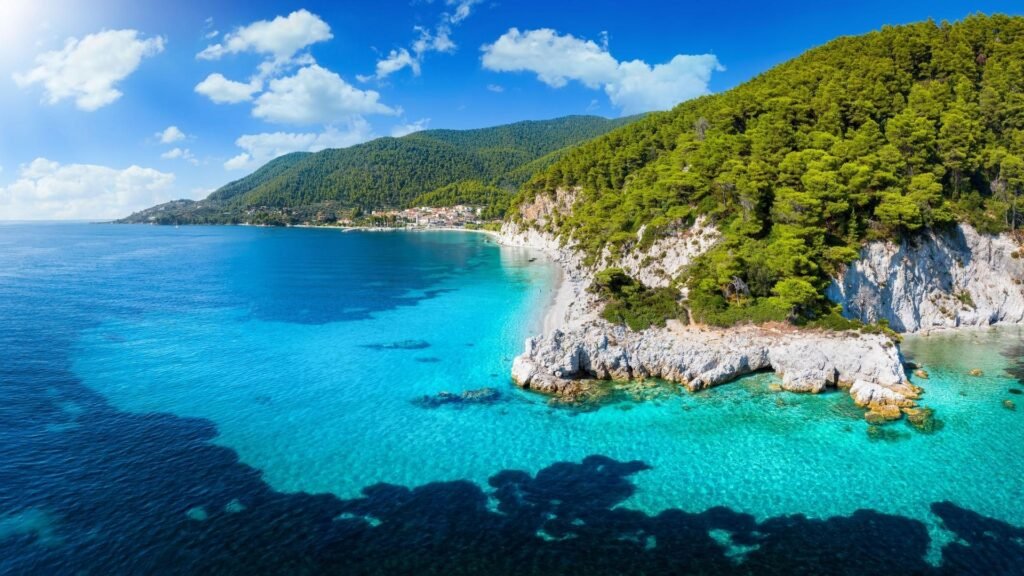
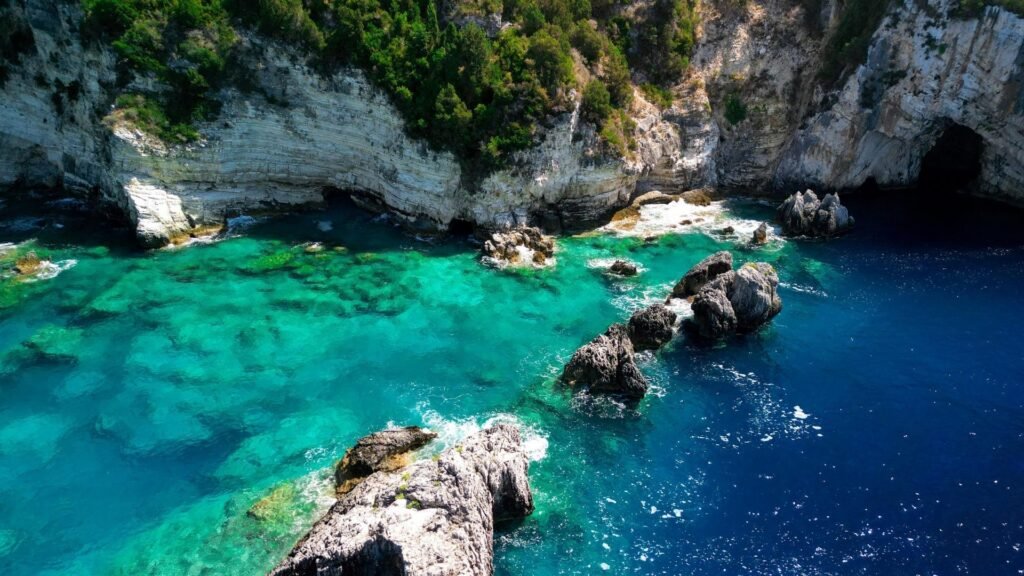
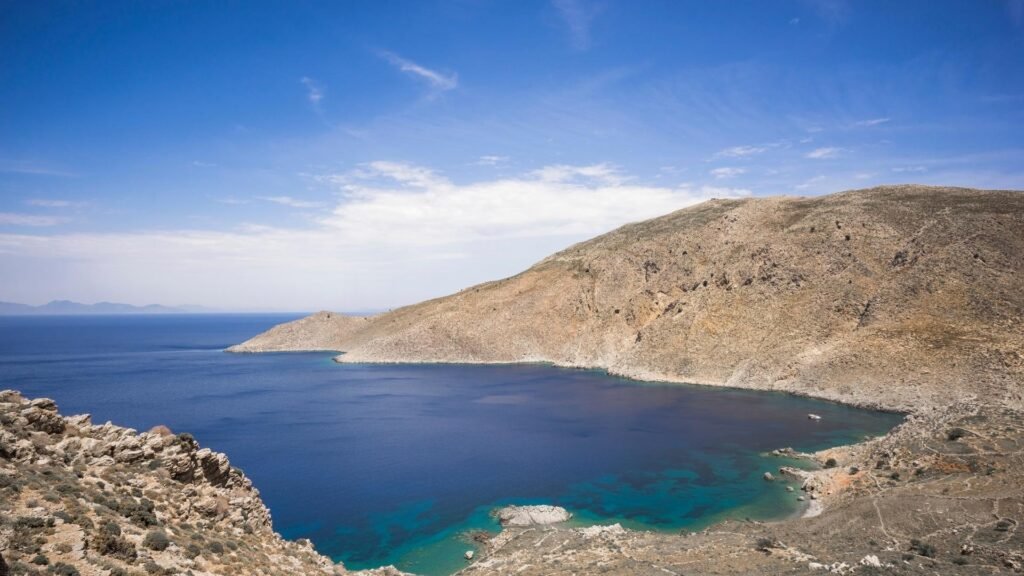
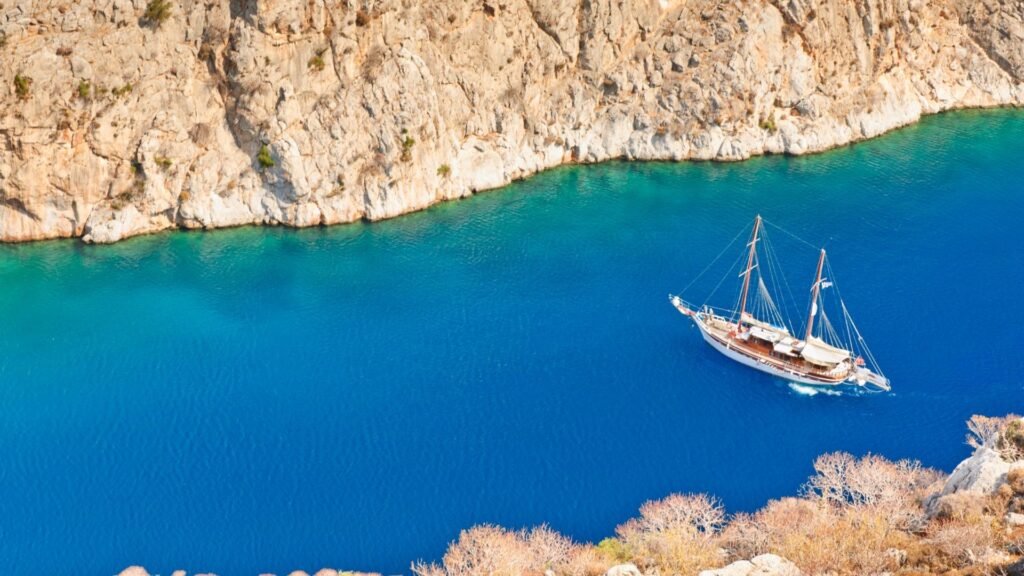
Located directly below the monastery, this tiny, rocky cove is where some of the most famous scenes from ‘The Big Blue’ were filmed. The water here is a deep, dark blue and incredibly clear, offering a swimming experience like no other.
Aigiali Port and Beach
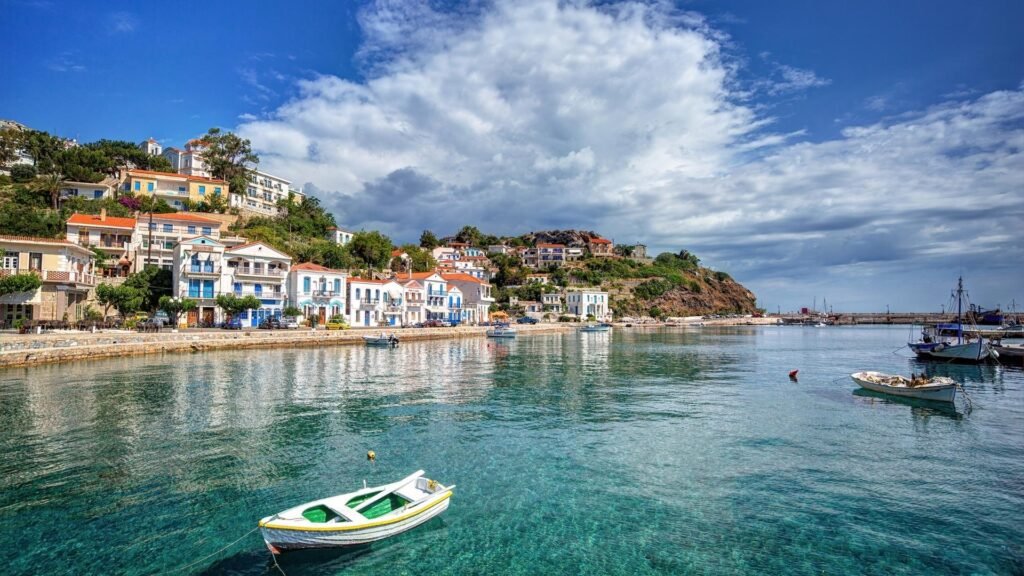
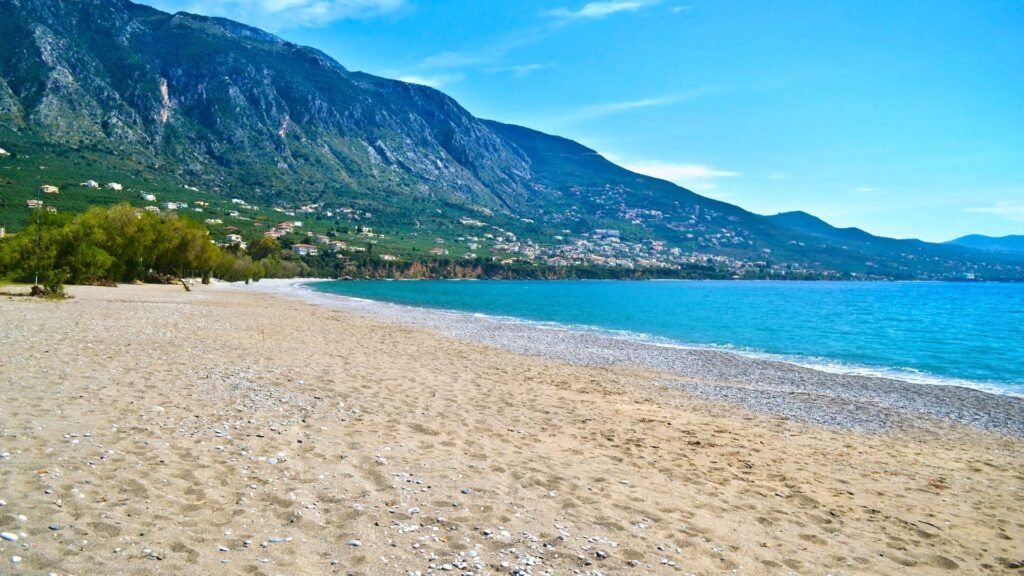
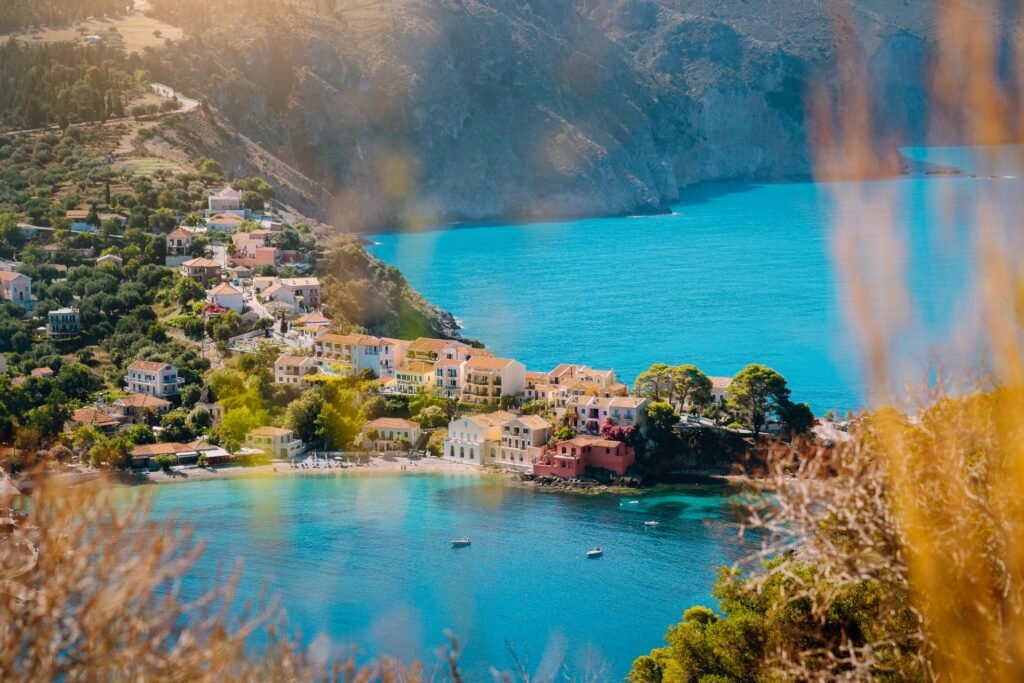
The northern port of the island is set in a wide, sandy bay surrounded by mountains. It has a more relaxed, ‘hippy’ vibe than the main port of Katapola and is the gateway to the mountain villages of Tholaria and Lagada.
The Shipwreck of Olympia
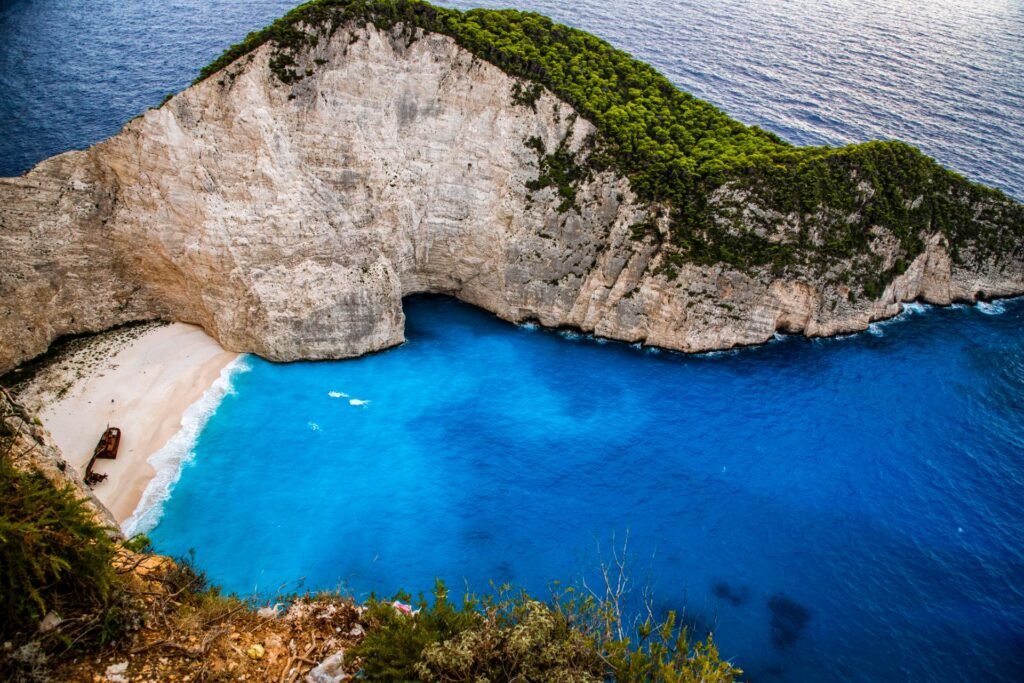
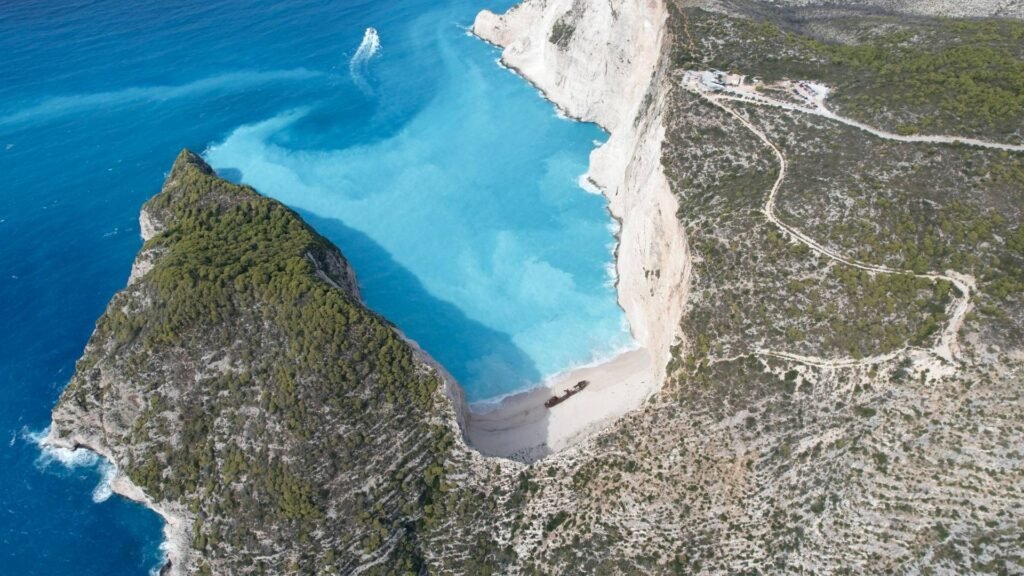
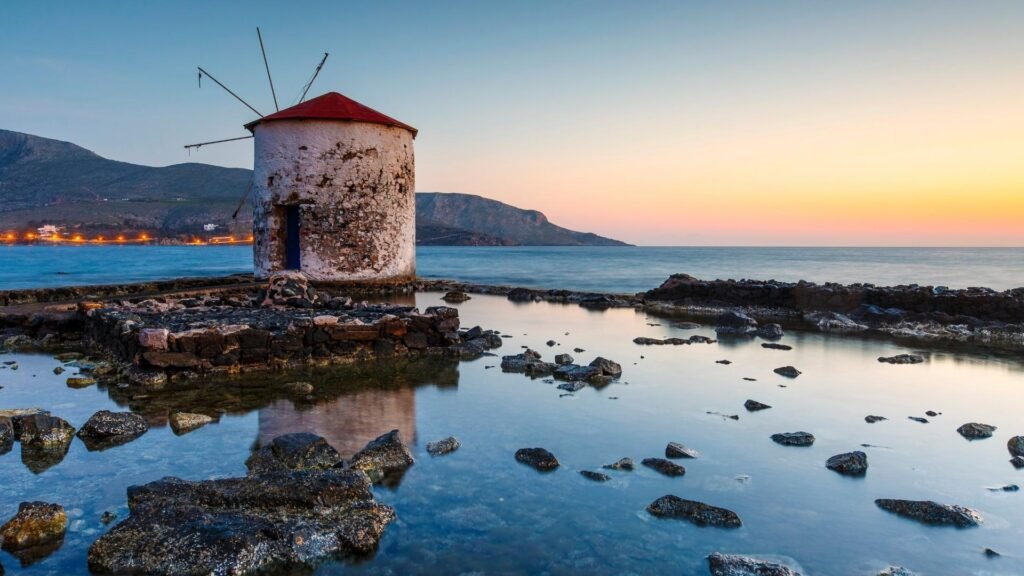
Located in the Kalotaritissa bay on the southern tip of the island, the rusted remains of this freighter have become an iconic site for photographers. It sits in shallow water, surrounded by the wild landscape of the island’s most remote region.
Tholaria Village
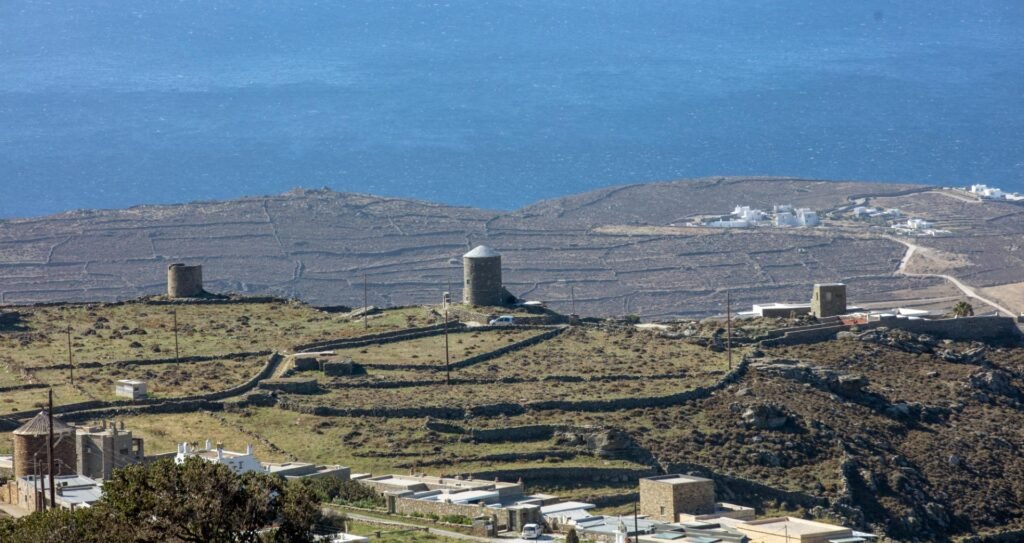
Perched high above Aigiali, Tholaria is a traditional village known for its hospitality and its views over the bay. It is a center of Amorgian culture, where you can still hear ‘mantinades’ (folk poems) being sung in the local taverns.
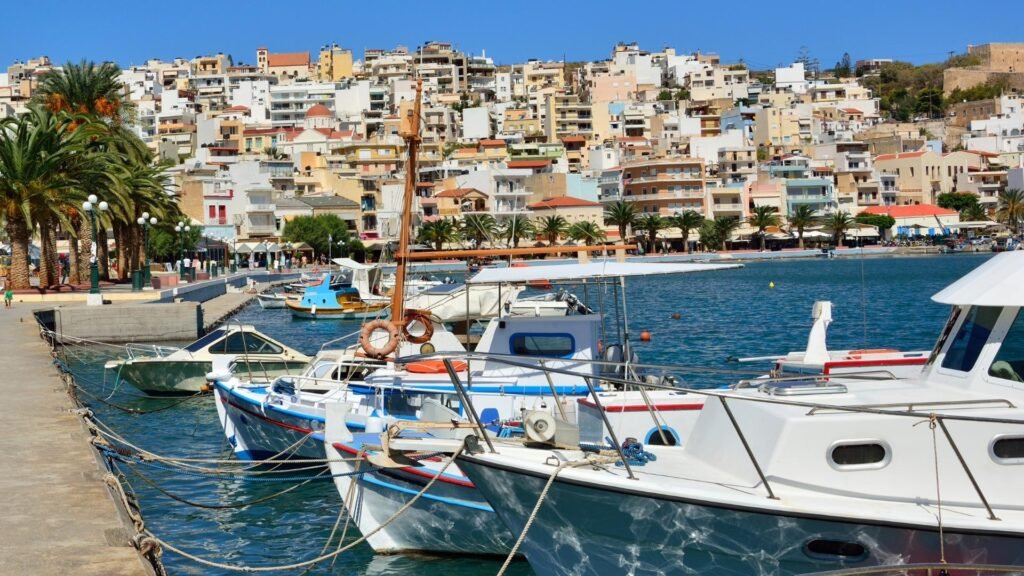
Katapola Port
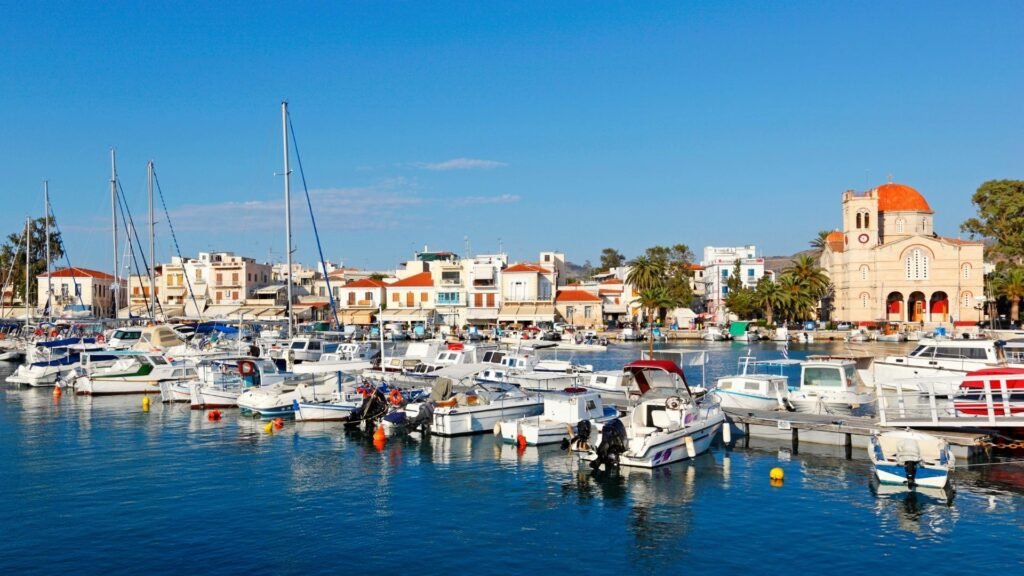
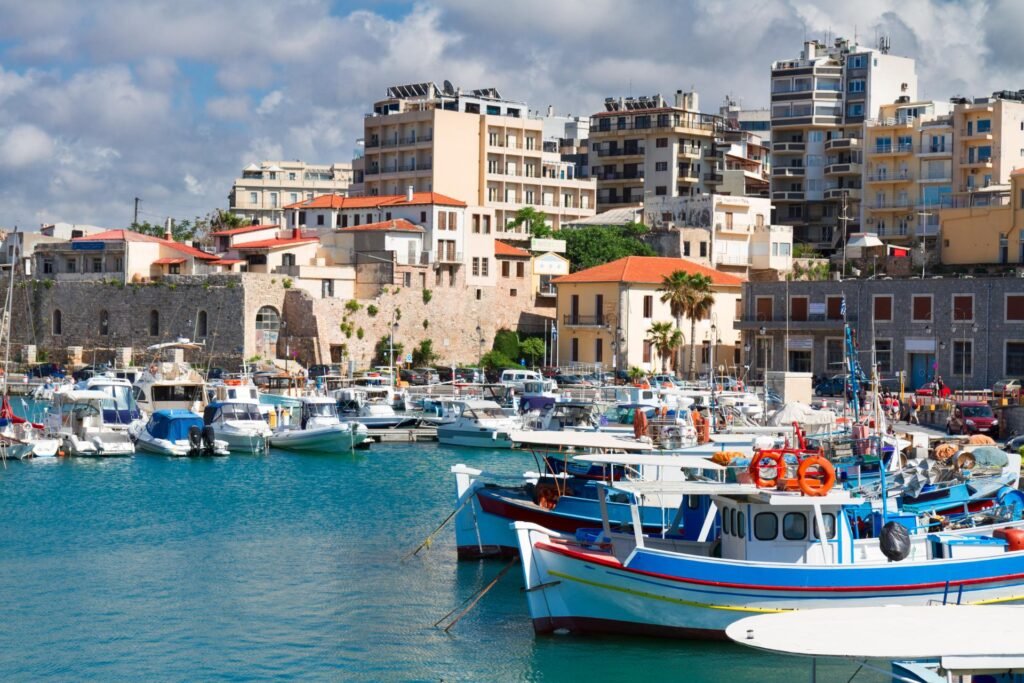
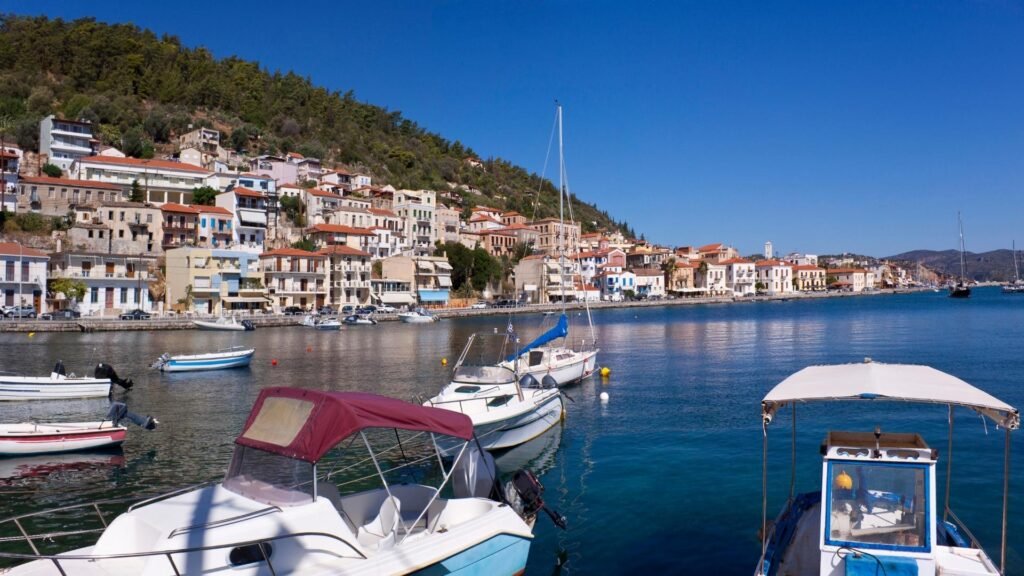
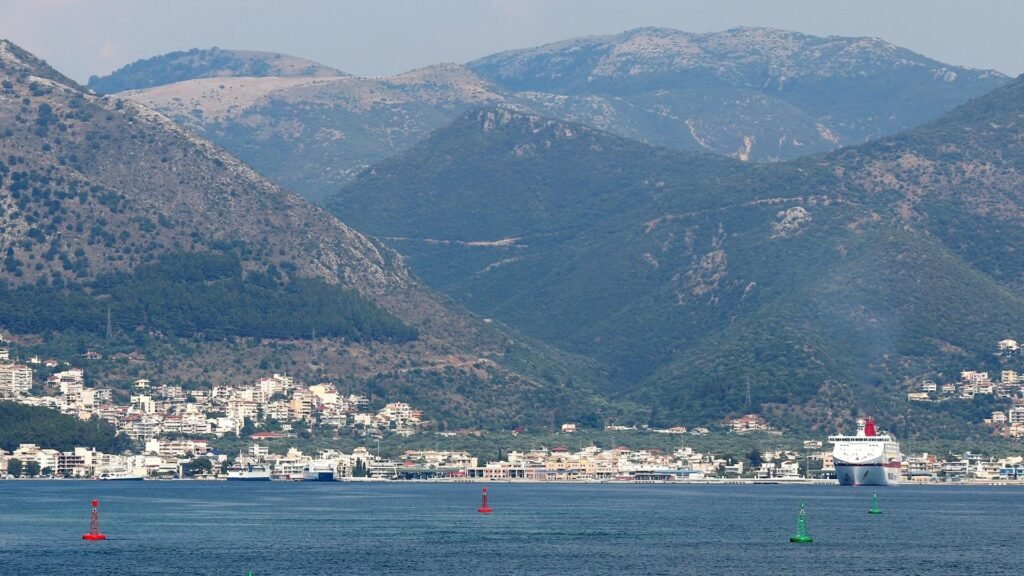
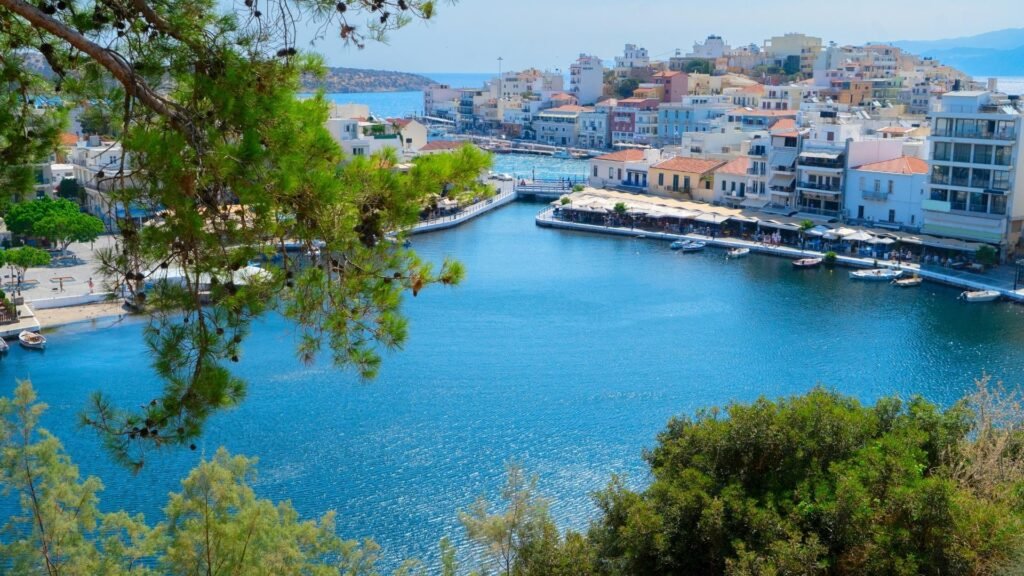
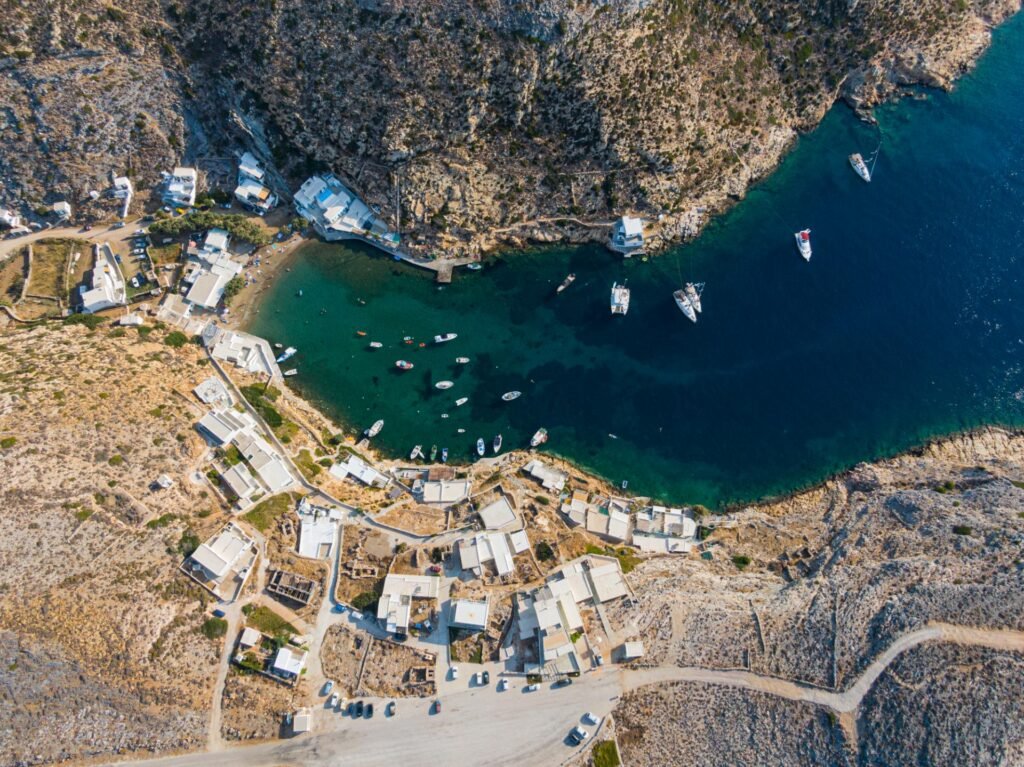
The main harbor of Amorgos is a bustling, friendly place divided into three settlements: Katapola, Rahidi, and Xylokeratidi. It is the best place to watch the ferries arrive and enjoy a sunset drink by the water.
Ancient Minoa
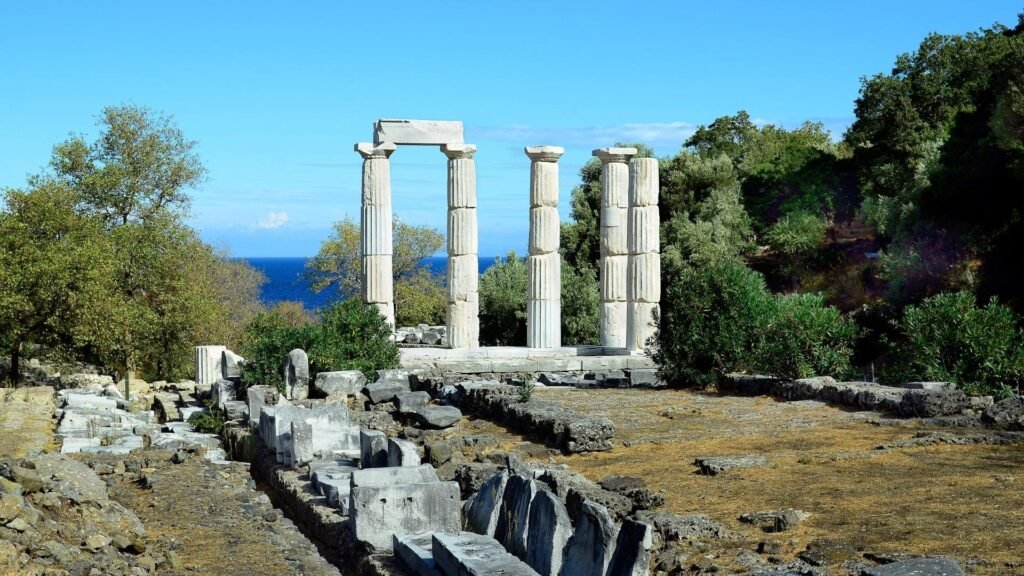
Located on a hill above Katapola, these are the ruins of one of the three ancient cities of Amorgos. You can see the remains of the gymnasium and the stadium, along with a spectacular view of the harbor below.
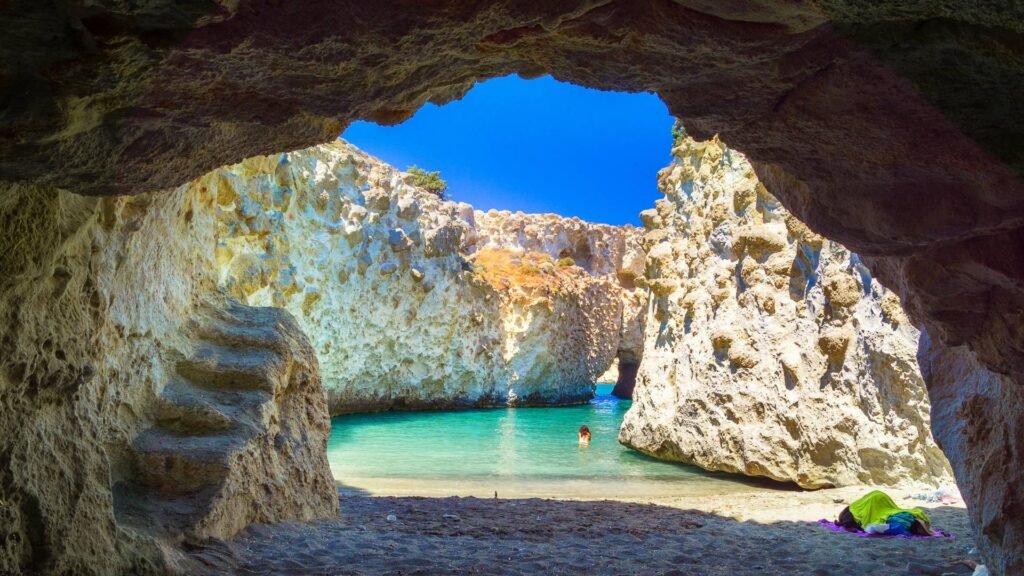
Mouros Beach
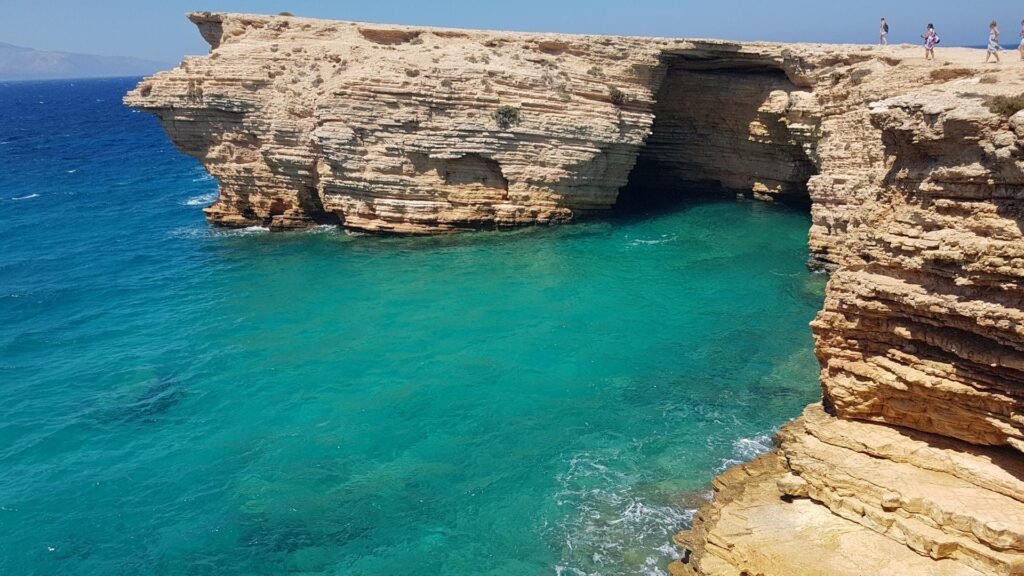
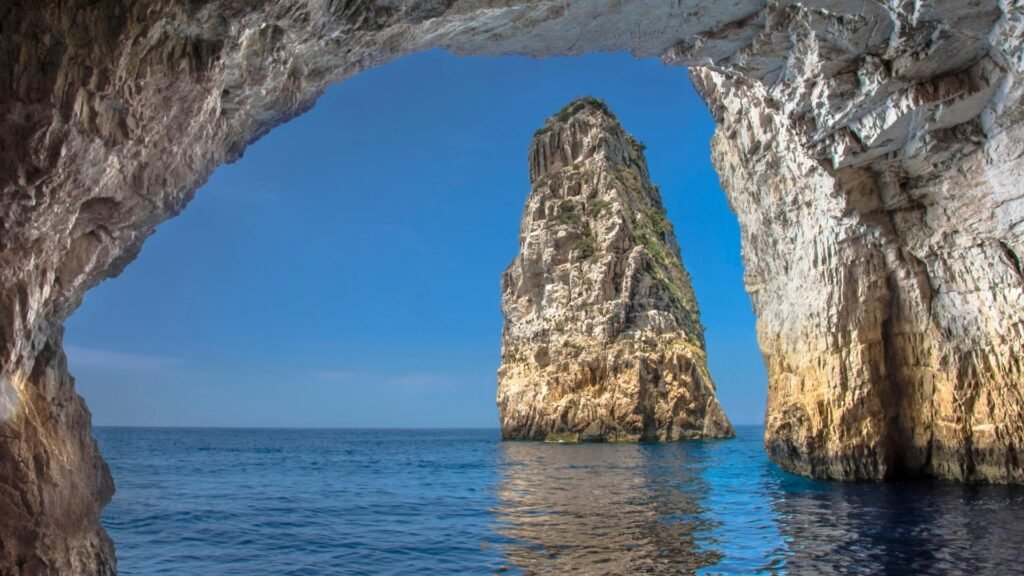
A dramatic pebble beach with turquoise water and two impressive sea caves that you can swim into. It is one of the most beautiful spots on the island, reachable via a steep but well-paved path.
Lagada Village
A quiet, traditional village near Aigiali that serves as the starting point for some of the island’s best hiking trails. It is known for its beautiful architecture and its proximity to the Araklos gorge.
Island-hopping from Amorgos
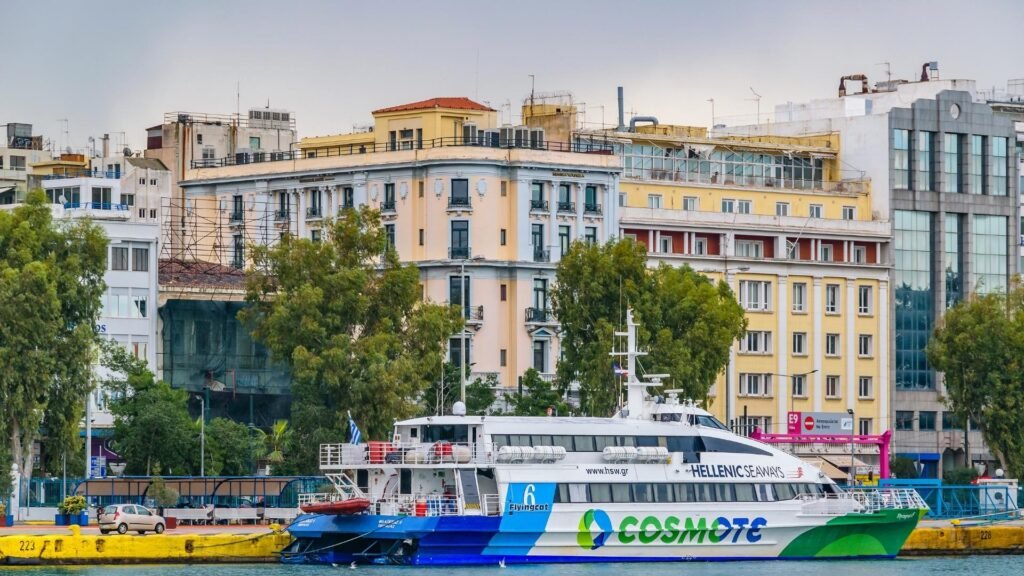
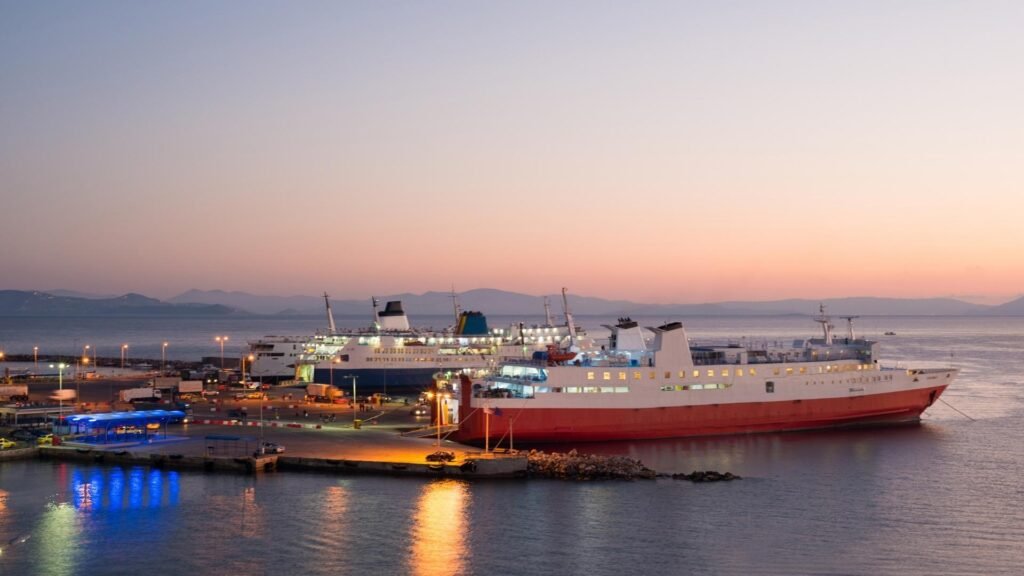
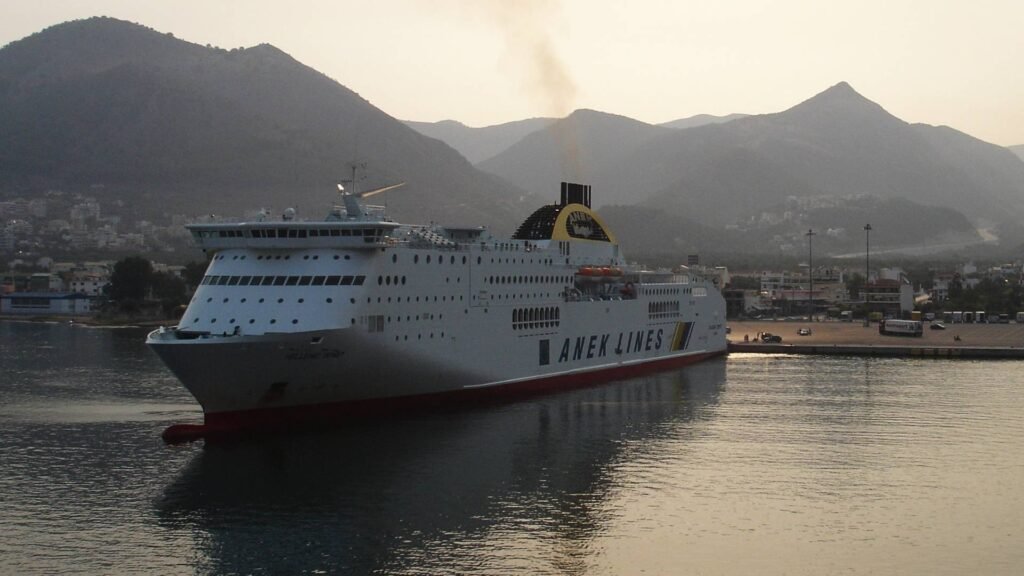
Amorgos has two ports: Katapola and Aigiali. It is a major stop for the ‘Small Cyclades’ route (Express Skopelitis). Frequent connections link Amorgos to Naxos (2-5 hours), Santorini (1-2 hours), and Astypalaia. It is also connected to Piraeus by both high-speed and conventional ferries. Its location makes it the perfect bridge between the Cyclades and the Dodecanese.