Heraklion: The Minoan Capital and Gateway to Crete
Heraklion is the vibrant, bustling heart of Crete, where ancient history and modern Greek life collide. As the fourth largest city in Greece, it serves as the administrative and economic hub of the island. In 2026, Heraklion is much more than just a transit point; it is a city of massive Venetian fortifications, world-class museums, and the cradle of Europe’s first civilization. From the labyrinthine Palace of Knossos to the trendy bars of the Lion Square, Heraklion offers a deep dive into the Cretan soul.
Things to know about Heraklion
Geographically, Heraklion is centrally located on the northern coast of Crete. Historically, it was the port of the Minoans and later a formidable fortress under the Venetians (Candia). An ideal trip length is 3-4 days to cover the archaeological sites and the inland vineyards. It is famous for the Palace of Knossos, the Heraklion Archaeological Museum, and for being the birthplace of the writer Nikos Kazantzakis and the painter El Greco. The region is also the primary producer of Crete’s legendary wine and olive oil.
Top attractions in Heraklion
The Palace of Knossos
Located just 5km from the city, Knossos is the center of the Minoan civilization. This sprawling prehistoric complex, with its vibrant frescoes and the legend of the Minotaur and the Labyrinth, is the most important archaeological site on Crete. It offers a fascinating look at the advanced technology and art of a civilization that thrived 4,000 years ago.
Heraklion Archaeological Museum
Considered one of the most important museums in the world, it houses the definitive collection of Minoan art. From the mysterious Phaistos Disc to the Snake Goddess figurines and the Bull-Leaping fresco, the museum brings the ancient world of Knossos to life in incredible detail.
Koules Fortress (Castello a Mare)
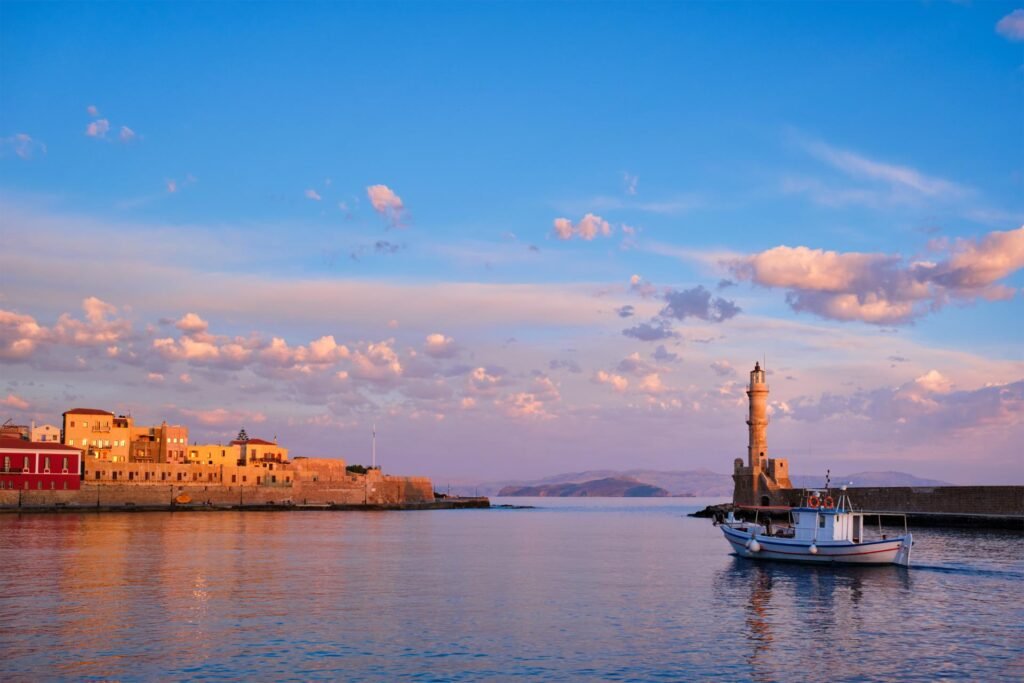
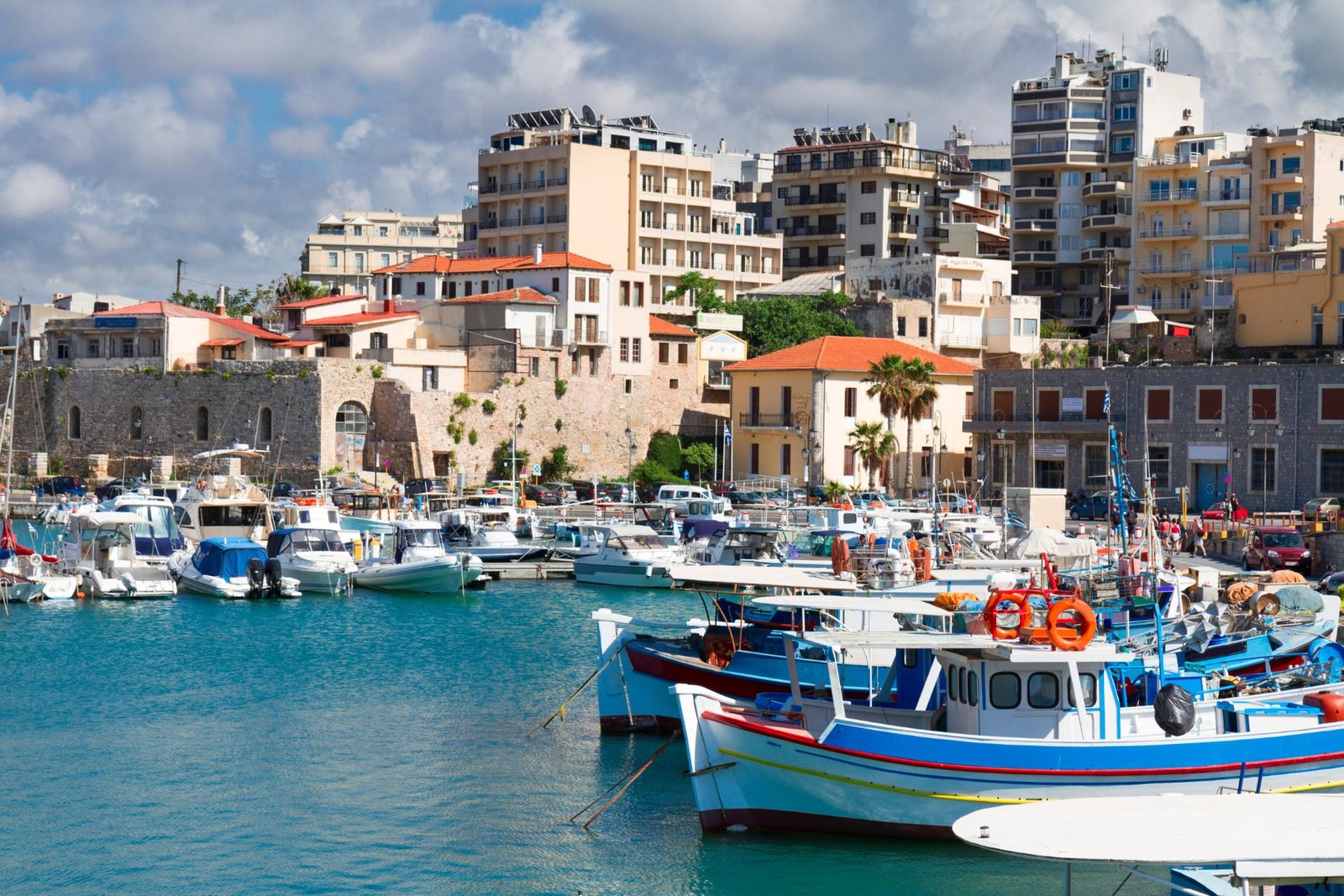
Dominating the entrance to the Old Harbor, this 16th-century Venetian sea-fortress is an iconic landmark. You can walk along its thick walls, explore the dark vaulted chambers once used as prisons and storerooms, and enjoy the view of the city and the Cretan Sea.
The Venetian Walls
Heraklion is enclosed by one of the most impressive defensive systems in the Mediterranean. The 4.5km stone walls and their massive bastions survived a 21-year siege by the Ottomans. The Martinengo Bastion is the site of the tomb of Nikos Kazantzakis, offering a peaceful spot with a view of the city.
Morosini Fountain (Lion Square)
The social heart of Heraklion, the 17th-century fountain with its four stone lions is where the city meets. It was originally built to bring water from the Archanes springs to the thirsty city. Today, the square is surrounded by cafes and is the best place to try the famous ‘Bougatsa’ of Heraklion.
Historical Museum of Crete
Located in a beautiful neoclassical mansion, this museum covers the island’s history from the early Christian era to the present day. It features the only two El Greco paintings on the island and a moving exhibit dedicated to the Battle of Crete during WWII.
Natural History Museum of Crete
Perfect for families, this museum showcases the diverse ecosystems of the eastern Mediterranean. The highlight is the ‘Seismic Table,’ a simulator where you can experience various historical earthquakes, and the life-sized models of prehistoric animals that once roamed the island.
Matala Beach and Caves
Located on the south coast, Matala became famous in the 1960s as a hippie paradise. The sandstone cliffs are filled with man-made caves that were originally Roman tombs and later homes for flower children. The bay features golden sand and clear water with a uniquely retro vibe.
Archanes Village
A beautifully restored traditional village surrounded by olive groves and vineyards. It is a center of Cretan viticulture and home to several high-end wineries. The village also has its own Minoan palace ruins and a small but excellent archaeological museum.
Agia Pelagia
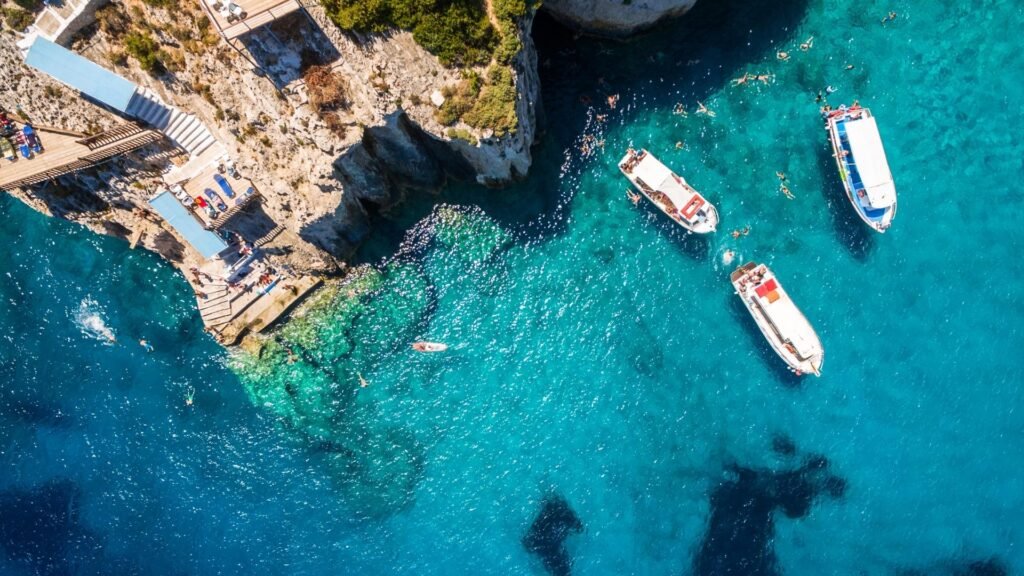
A popular coastal resort north of Heraklion, built in a series of sheltered turquoise bays. It is a favorite for water sports and offers a more relaxed, beach-focused alternative to the city center while remaining very close to the main attractions.
Island-hopping from Heraklion
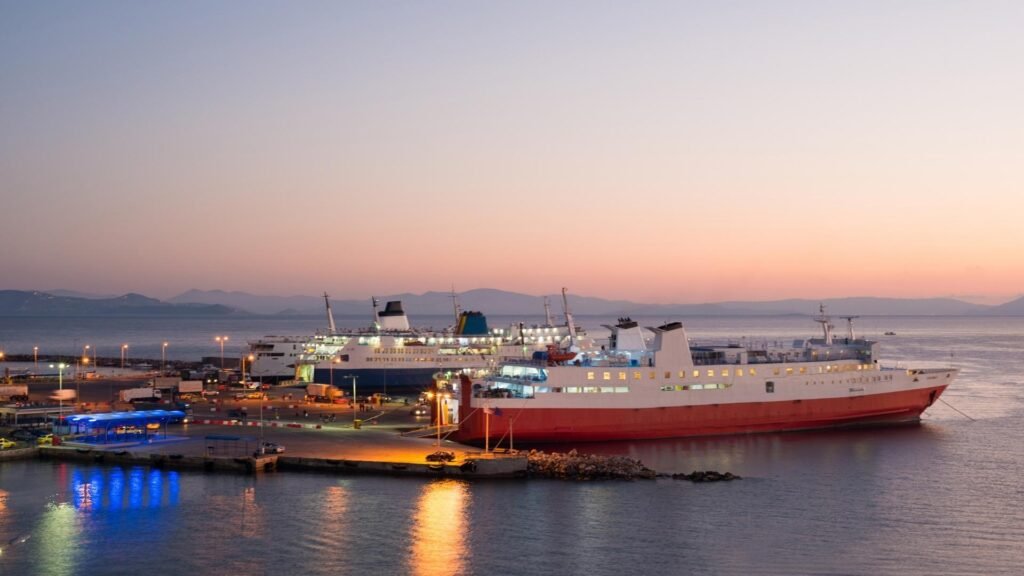
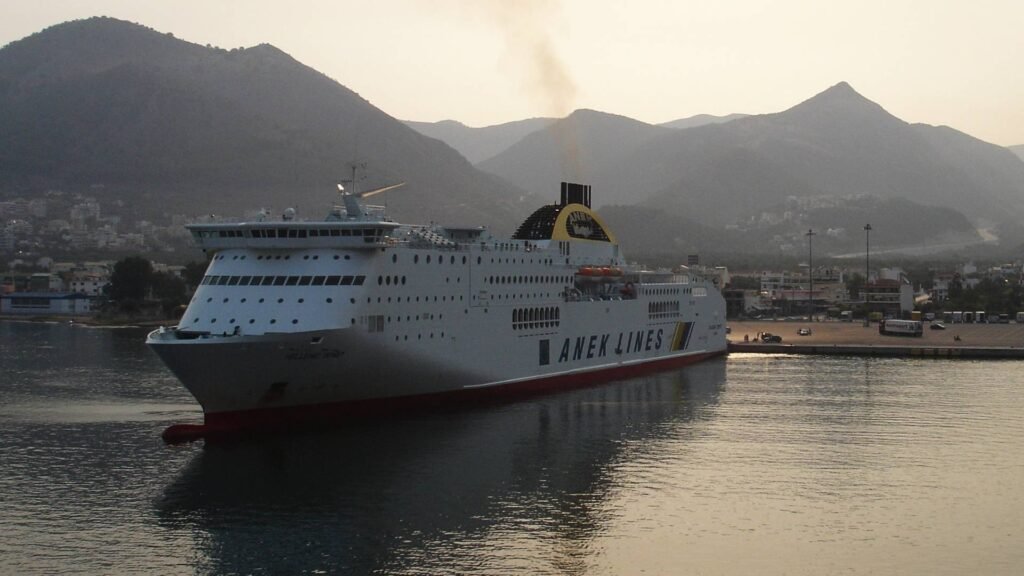
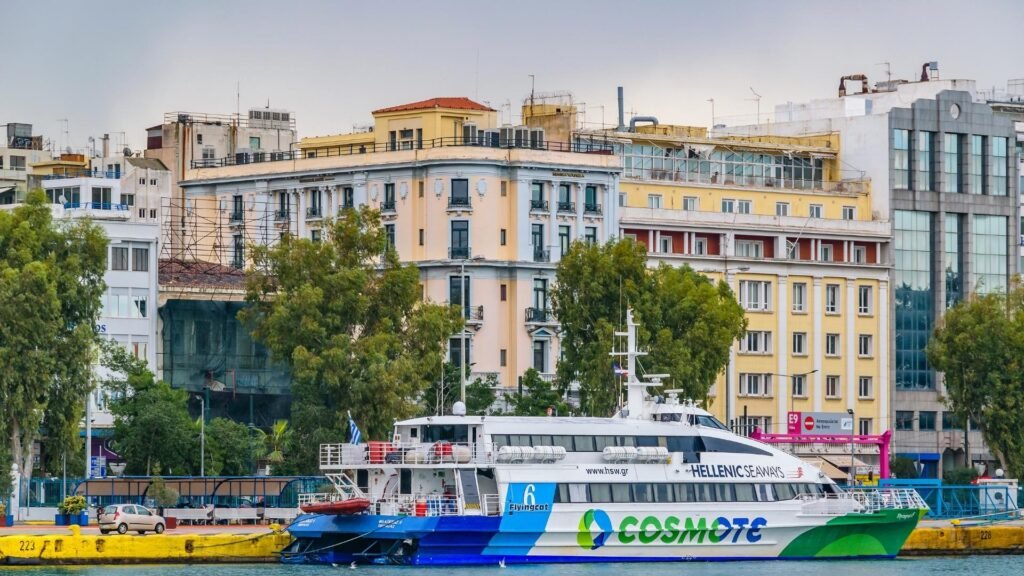
Heraklion is the most important ferry hub in southern Greece. Daily high-speeds and large ferries connect it to Piraeus (8-9 hours) and Santorini (2 hours). During summer, there are connections to Mykonos, Paros, Naxos, and Ios. It is also the main gateway for the Dodecanese route to Rhodes and Karpathos. Heraklion International Airport (HER) is the second busiest in Greece, offering direct flights to nearly every European city.