Everything You Need to Know About Greek Ferries in 2026
The Greek ferry system is the heartbeat of the Aegean. Understanding the nuances of ship types, boarding procedures, and weather delays is the difference between a stressful commute and a scenic cruise. This guide covers the logistics of getting from Point A to Point B with professional ease.
Booking Your Tickets
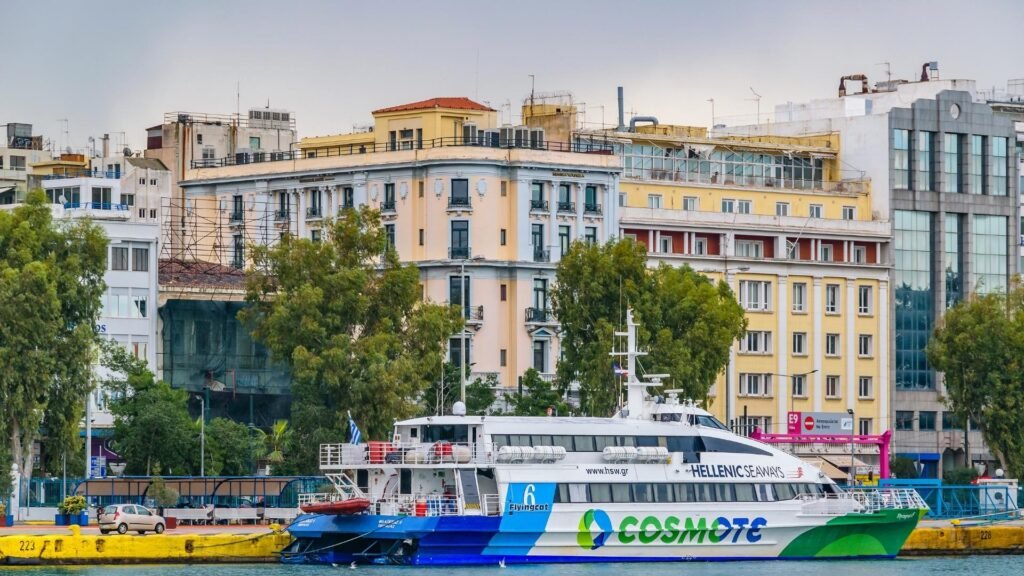
In 2026, booking 2-3 months in advance is essential for high-season travel, especially if you require a cabin or are transporting a vehicle. Use centralized platforms to compare Blue Star Ferries, Seajets, and Hellenic Seaways. Remember: the high-speed ‘Catamarans’ save time but are more prone to cancellations in high winds compared to the massive conventional ships.
Boarding the Giant: What to Expect
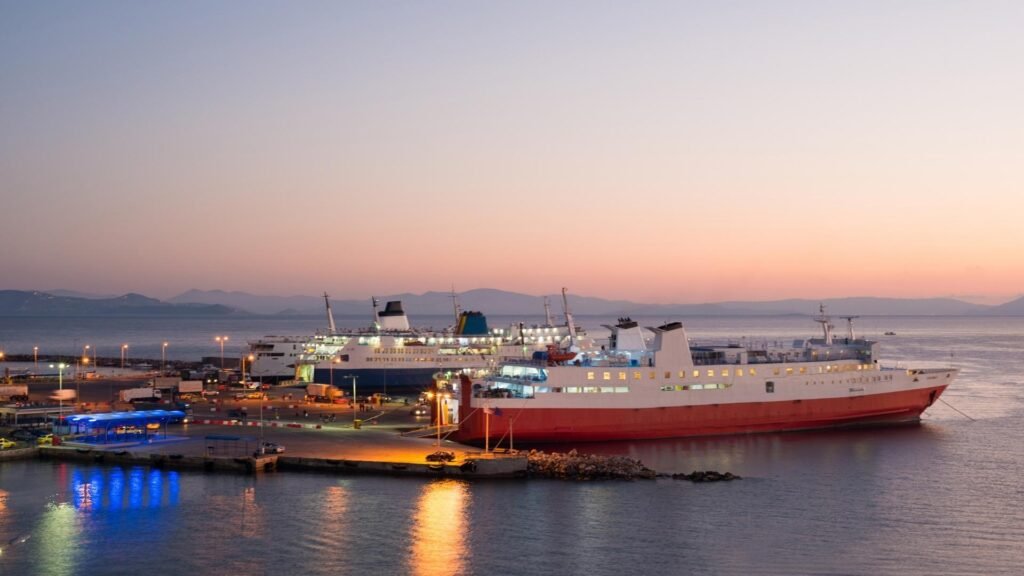
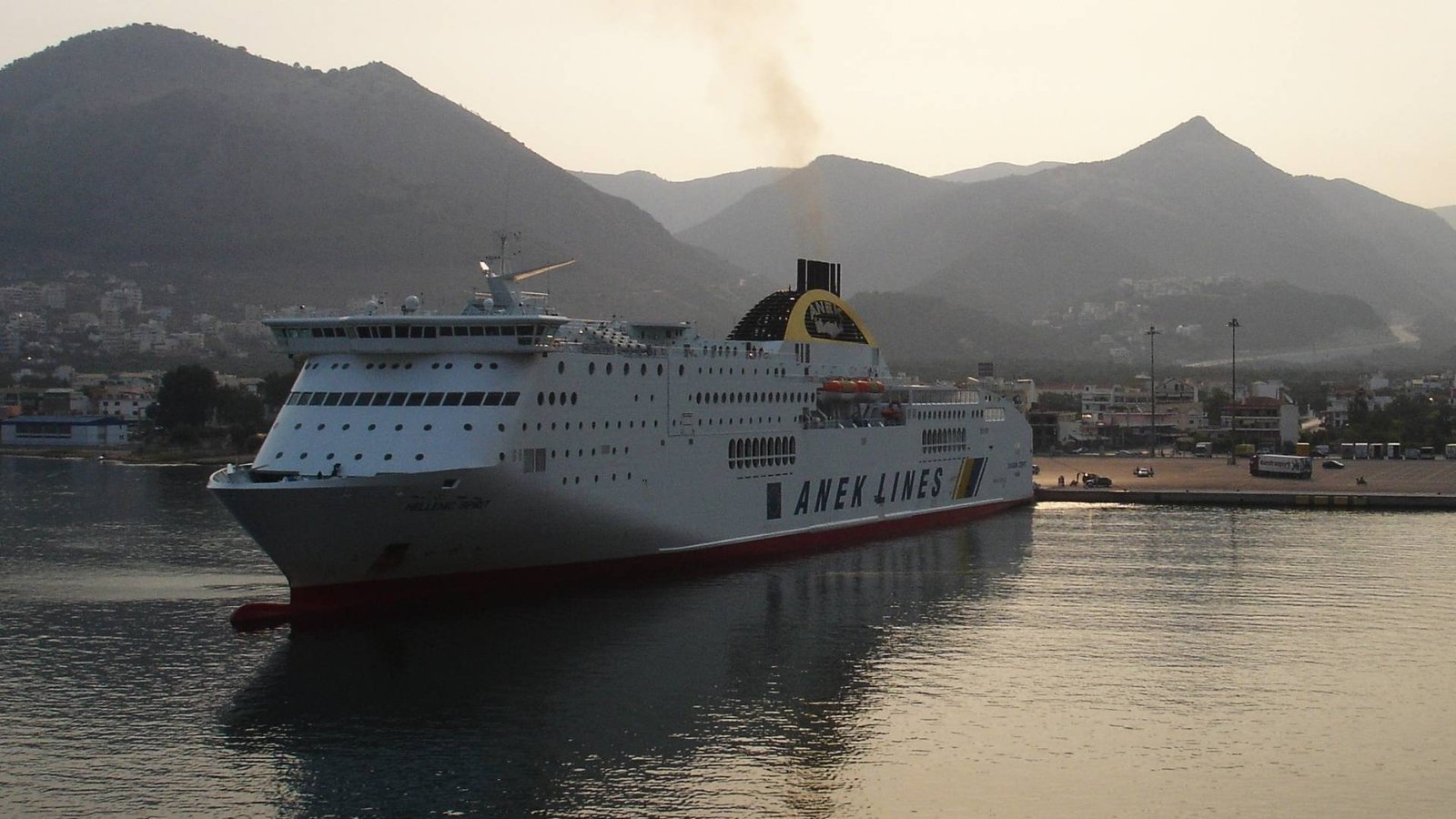
Entering a Greek ferry is a sensory experience. Foot passengers usually enter through the massive rear ramp alongside cars and trucks. Follow the crew’s directions to the luggage racks (usually on the car deck) and then proceed to the passenger lounges. Pro Tip: Keep a small bag with your essentials (water, power bank, jacket) so you don’t have to return to the car deck once the ship sails.
Life on Board
Modern Greek ferries are like floating malls. You will find cafes, restaurants, gift shops, and outdoor decks. In 2026, Wi-Fi is standard on most routes, though signal strength varies mid-sea. Rules are simple: smoking is only permitted in designated outdoor areas, and pets are allowed in pet-friendly cabins or deck kennels.
The ‘Meltemi’ and Weather Delays
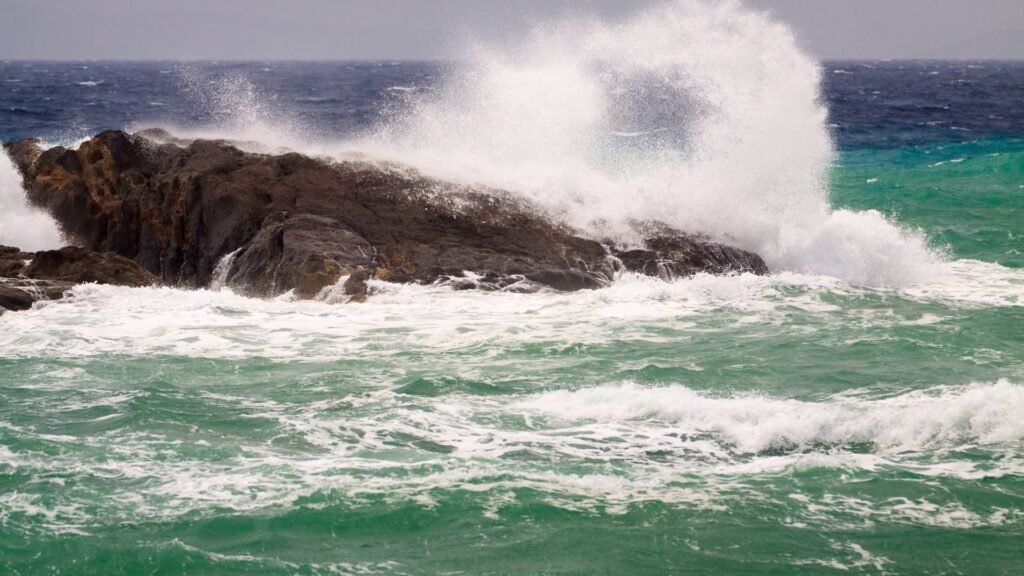
If the wind exceeds 8 or 9 on the Beaufort scale, ferries are legally grounded. Always check your SMS or email the morning of departure. If a cancellation occurs, the ferry company is required to rebook you or offer a refund, but having travel insurance is highly recommended for hotel coverage.