Kea: The Cosmopolitan Gateway to the Cyclades
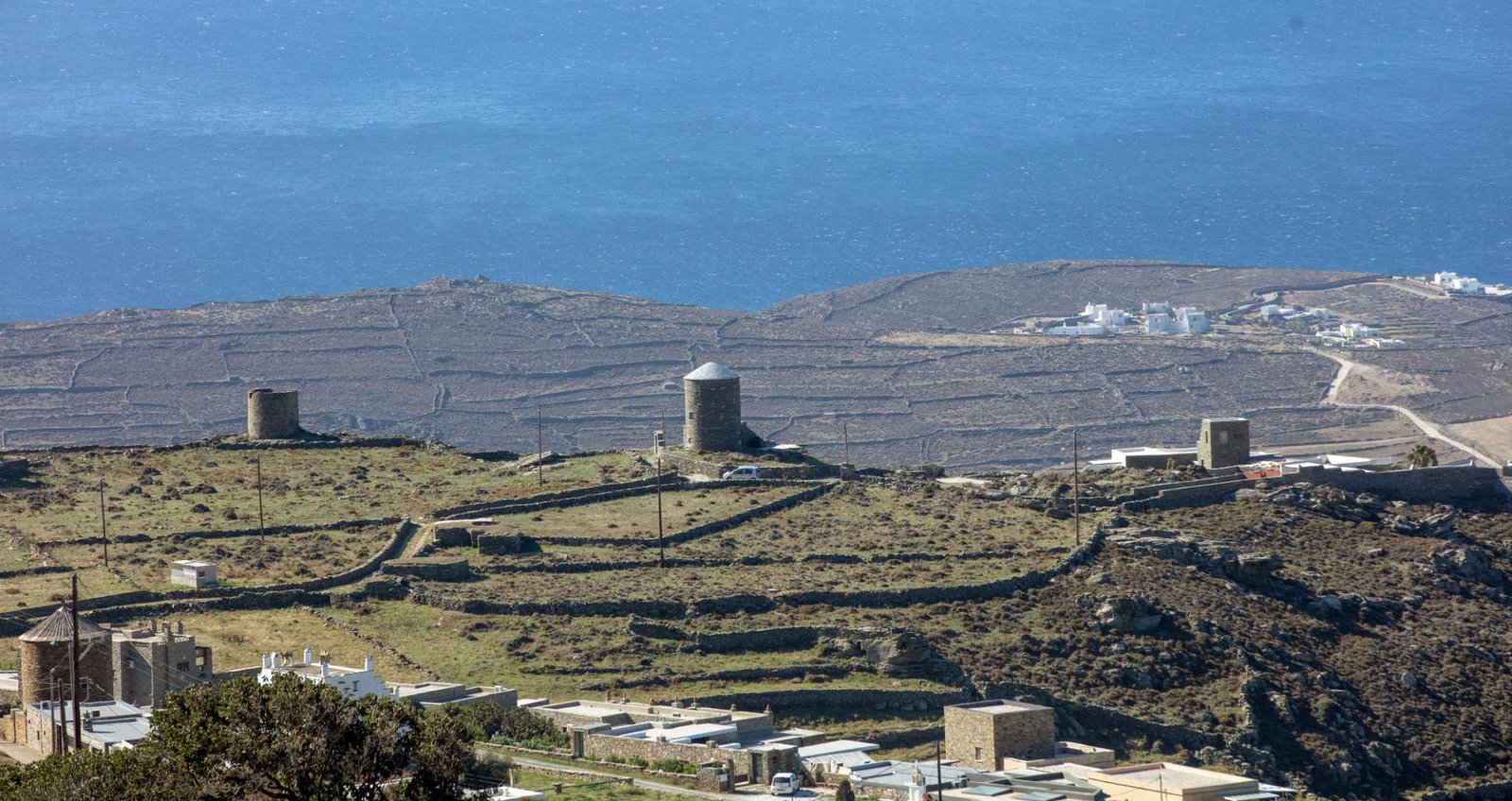
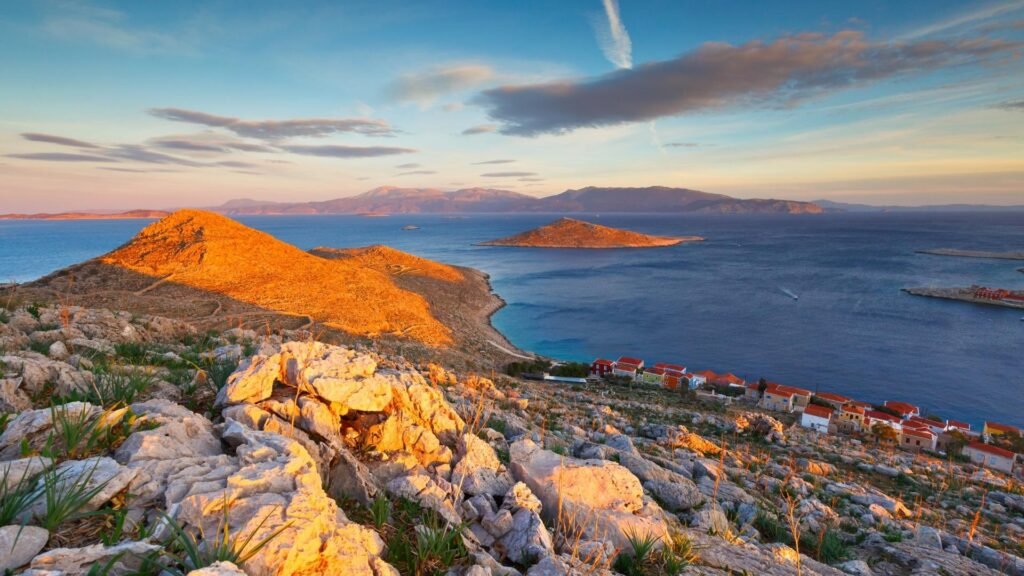
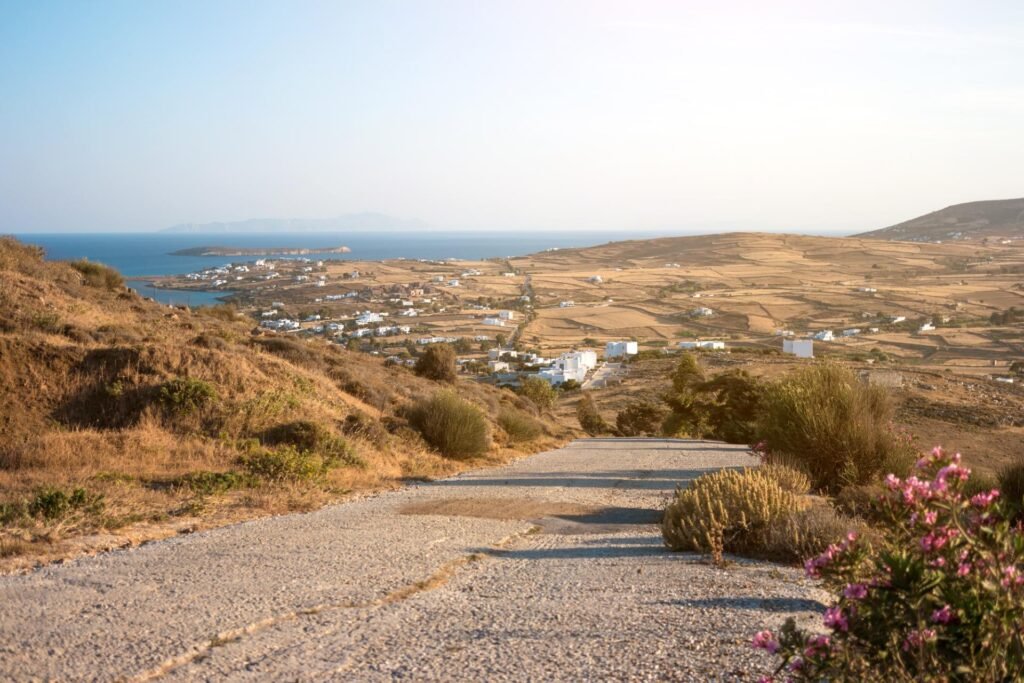
Kea (also known as Tzia) is the closest Cycladic island to Athens, but it feels a world away from the city’s hustle. With its oak forests, terraced hillsides, and ancient stone paths, Kea offers a more rustic and sophisticated atmosphere than its more famous neighbors. In 2026, it remains the weekend getaway of choice for Athenians, known for its exceptional hiking trails and sunken shipwrecks.
Things to know about Kea
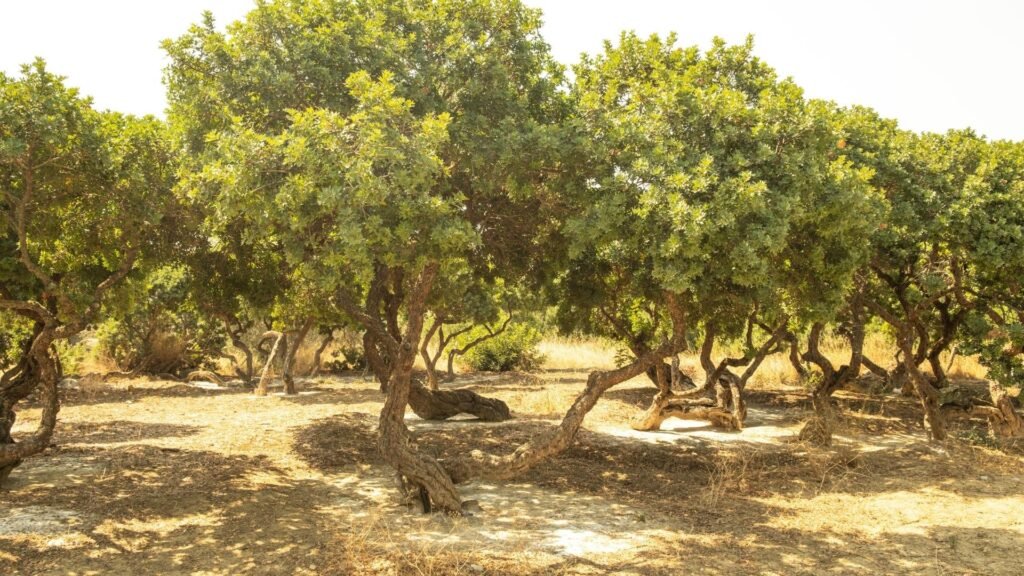
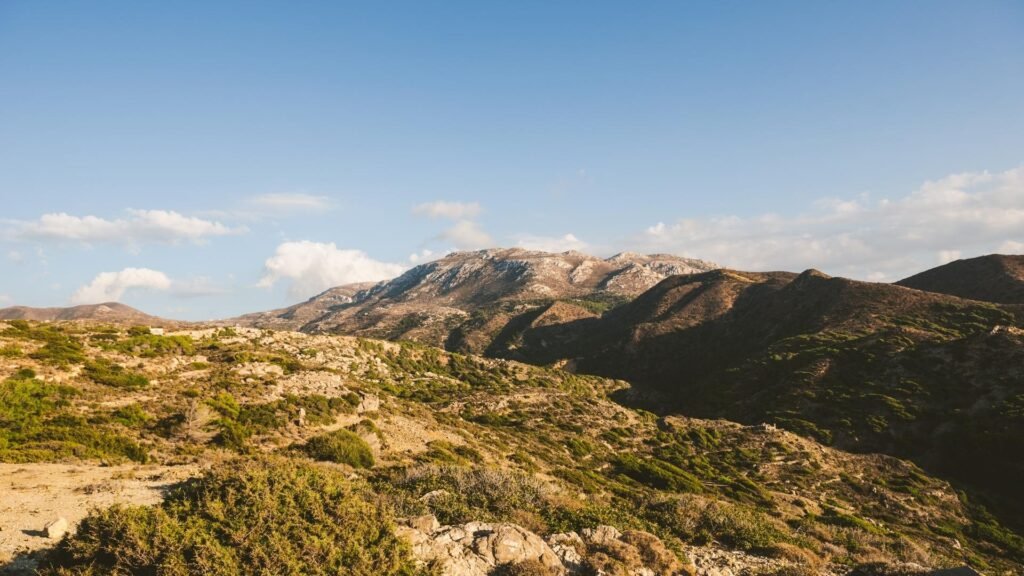
Geographically, Kea is mountainous and unique for being home to one of the largest oak forests in the Cyclades. Historically, it was the site of four ancient city-states: Ioulis, Karthaia, Poieessa, and Korissia. An ideal trip length is 3-4 days. It is famous for the Stone Lion of Ioulis, the shipwreck of the Britannic (sister ship of the Titanic) lying off its coast, and its excellent local honey and thyme.
Top attractions in Kea
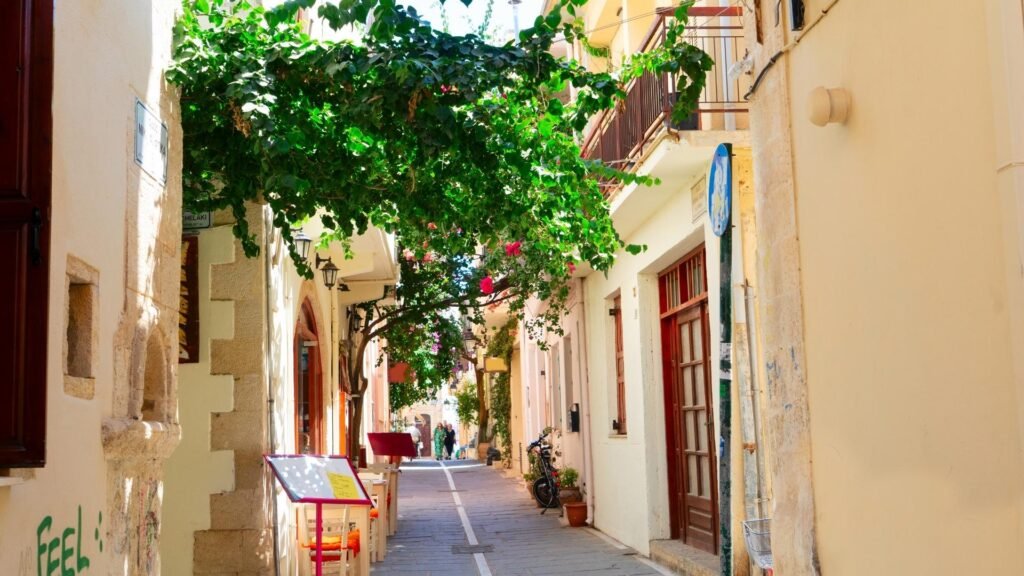
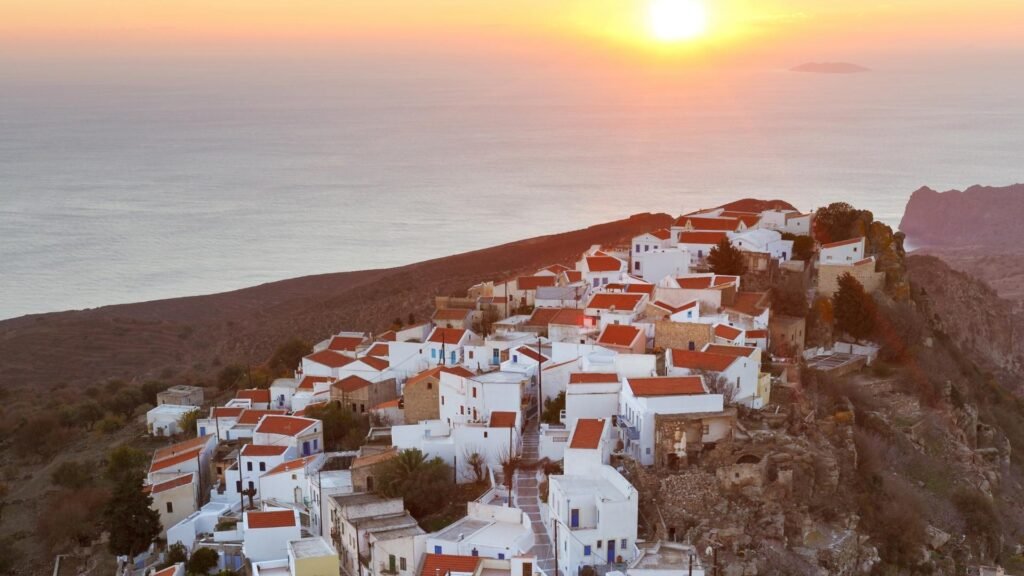
Ioulis (The Chora)
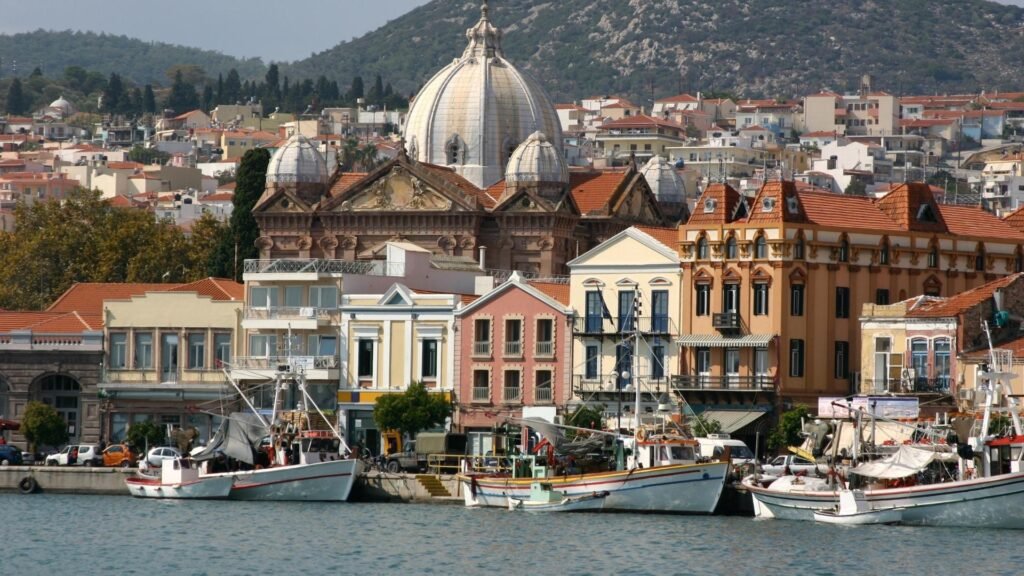
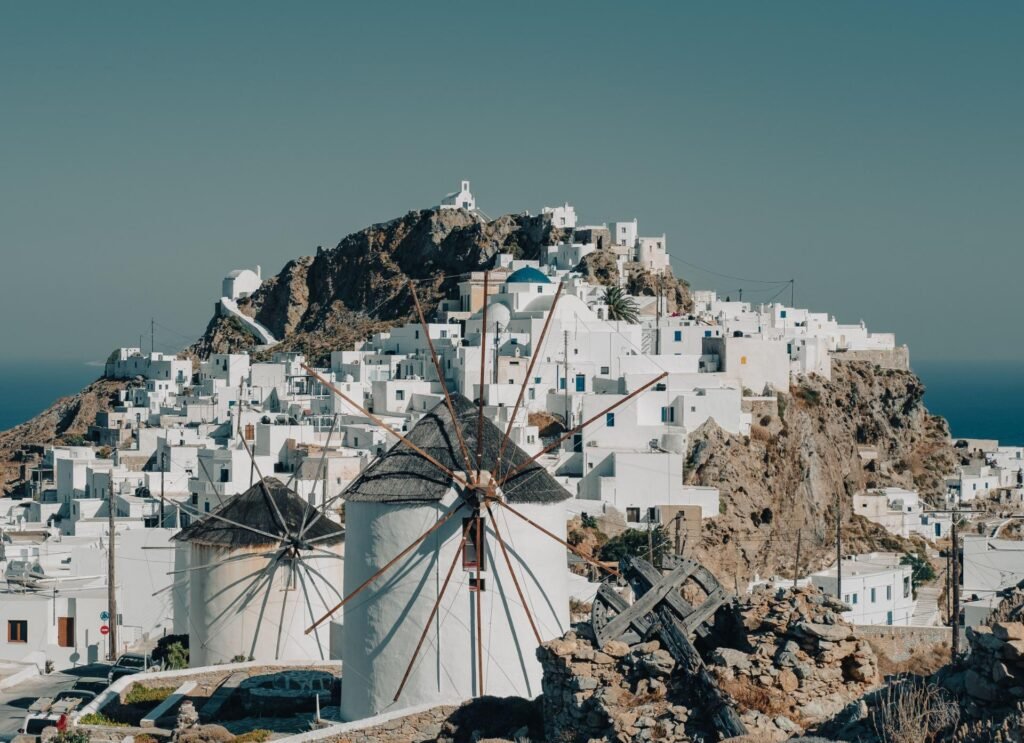
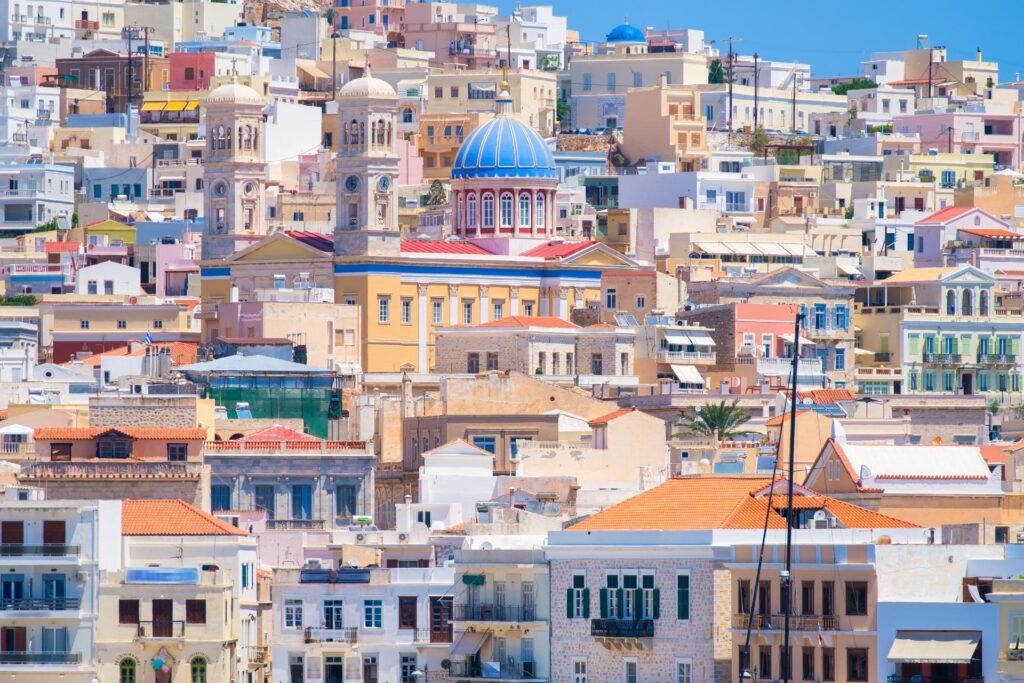
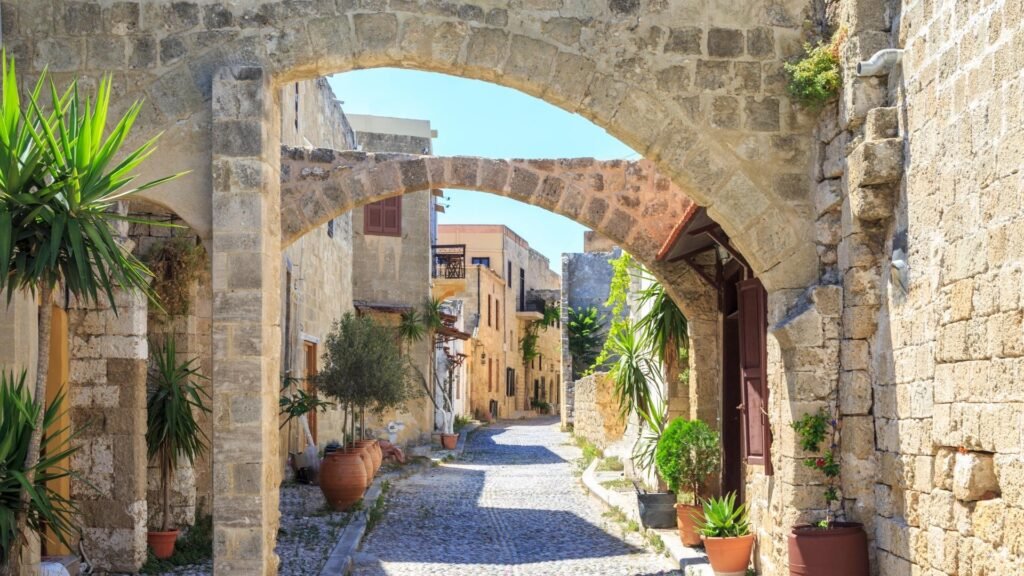
The capital of Kea is built inland on the site of the ancient city. It is a traditional, car-free village of red-tiled roofs and narrow alleys. Walking through Ioulis feels like a step back in time, culminating at the town square with its beautiful neoclassical town hall.
The Lion of Kea
A 6-meter-long archaic statue carved out of a single block of slate in the 6th century BC. This ‘smiling’ lion is the island’s most iconic landmark and is easily reached via a short, scenic walk from Ioulis.
Ancient Karthaia
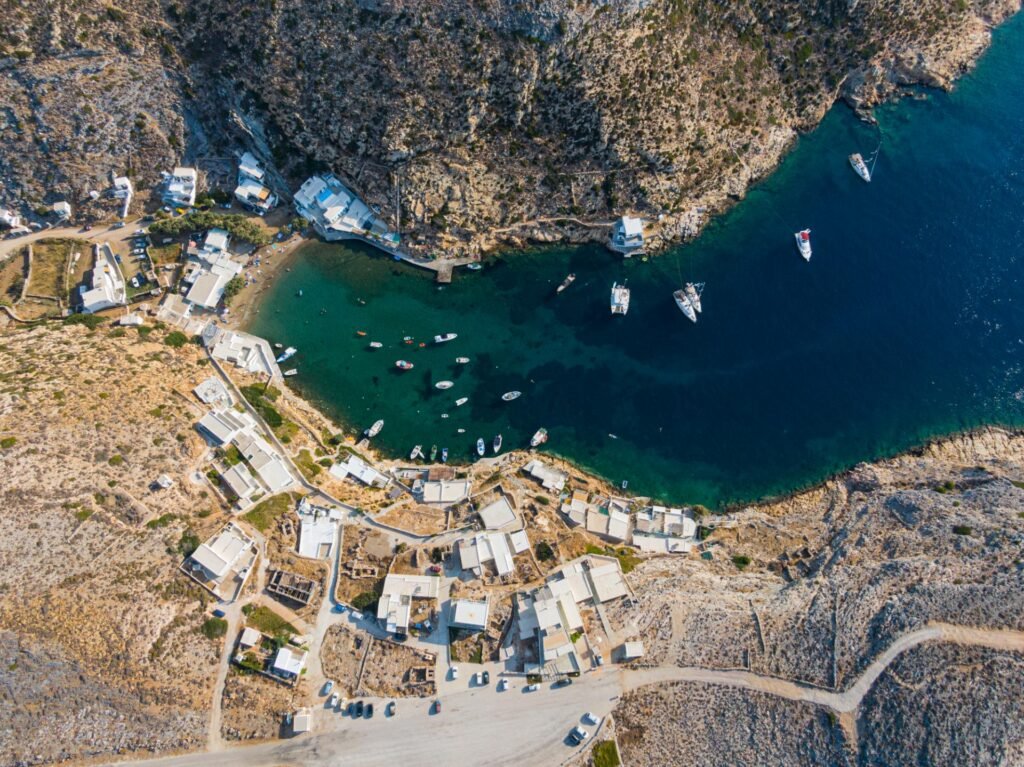
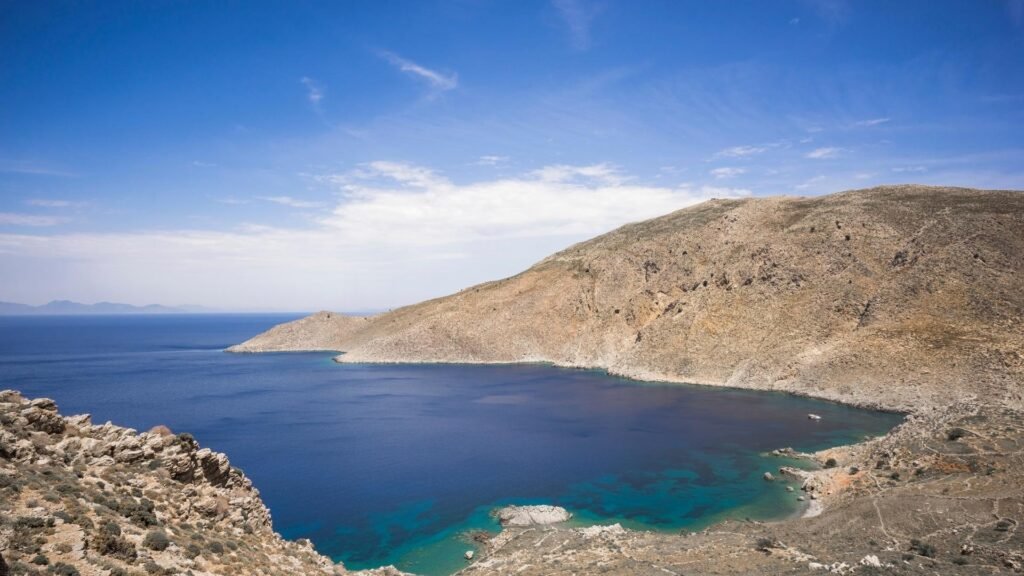
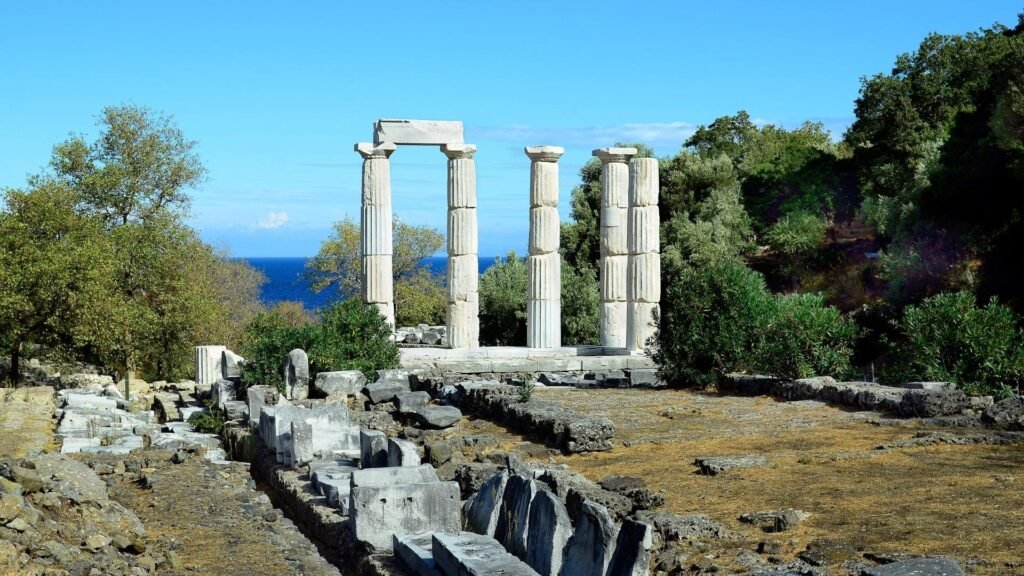
This is one of the most atmospheric archaeological sites in Greece. Located in a remote bay on the southeastern coast, it is only accessible by foot or by boat. The ruins of the temples of Apollo and Athena overlook the sea in total silence.
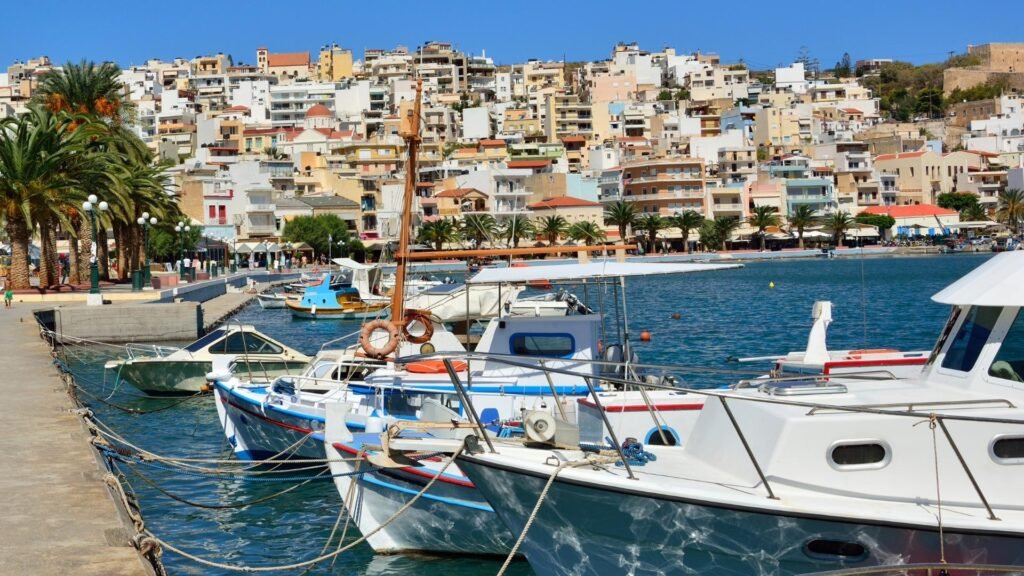
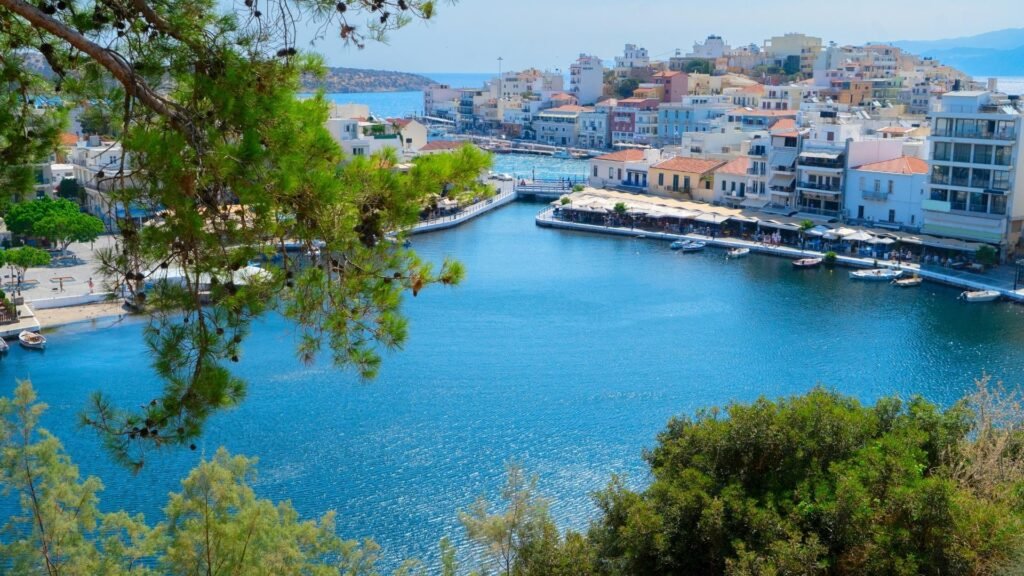
Vourkari Marina
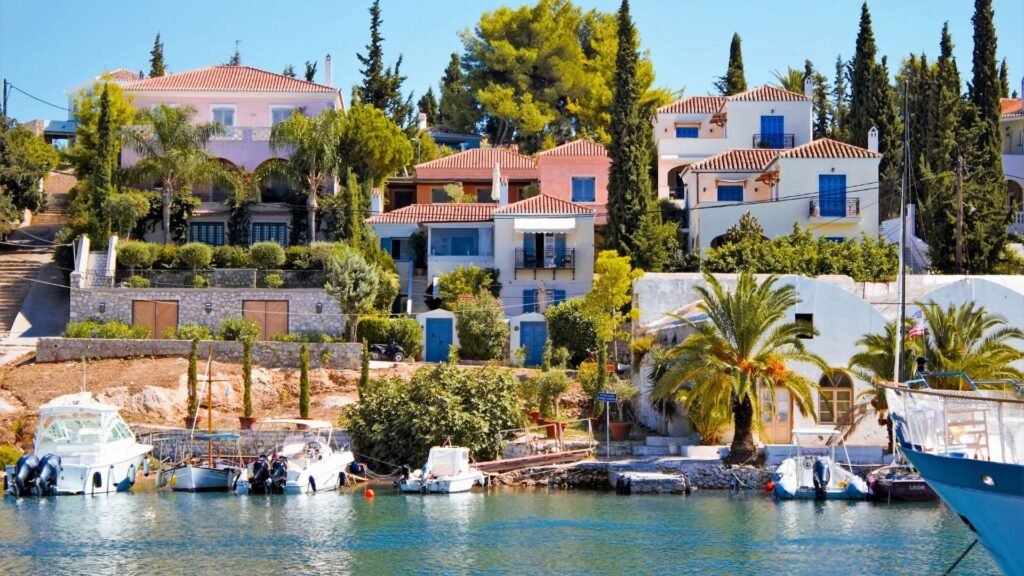
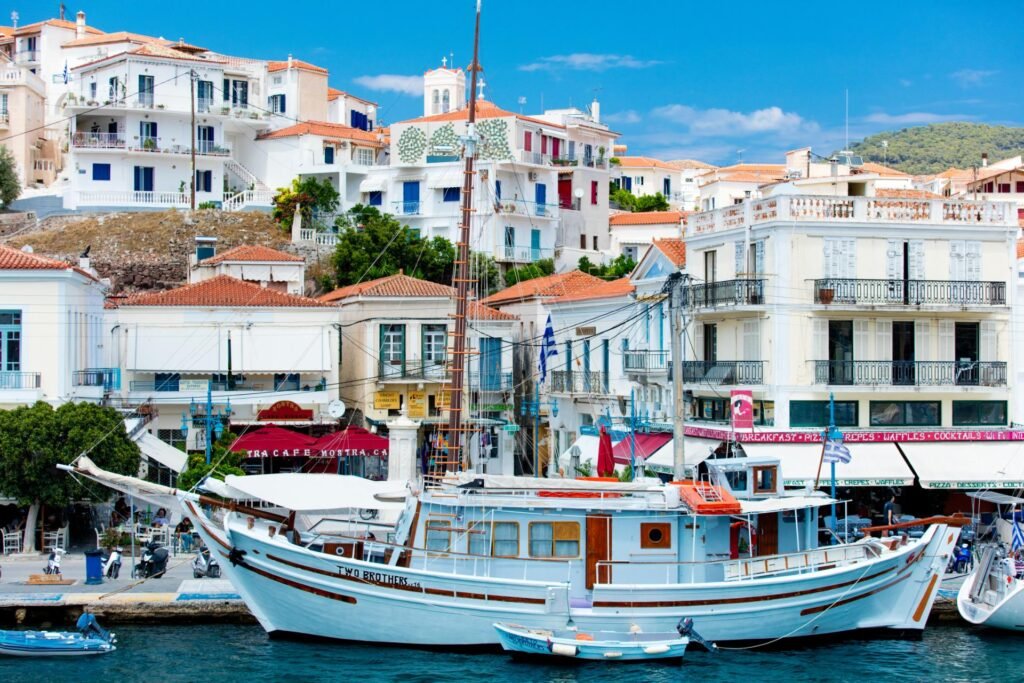
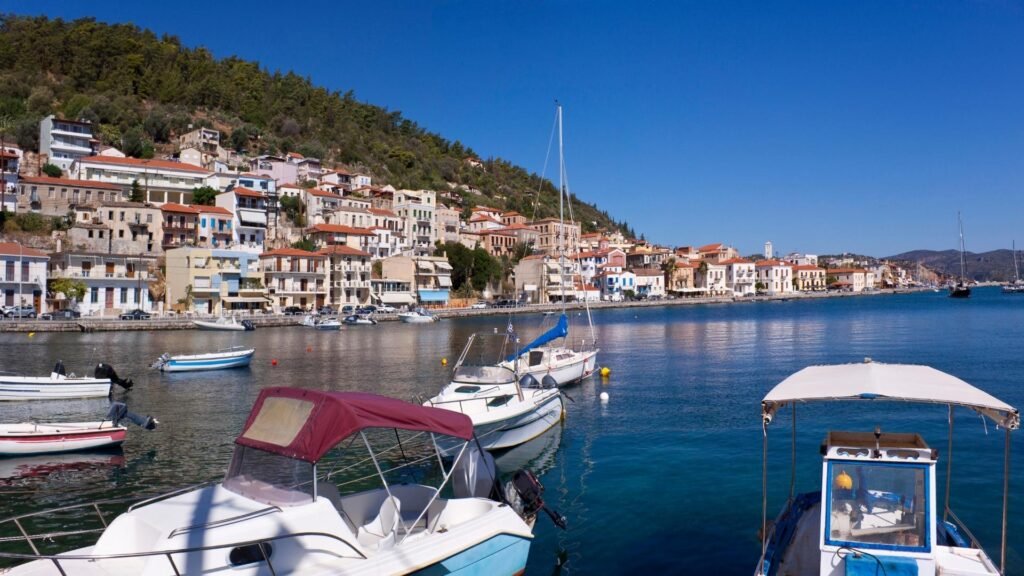
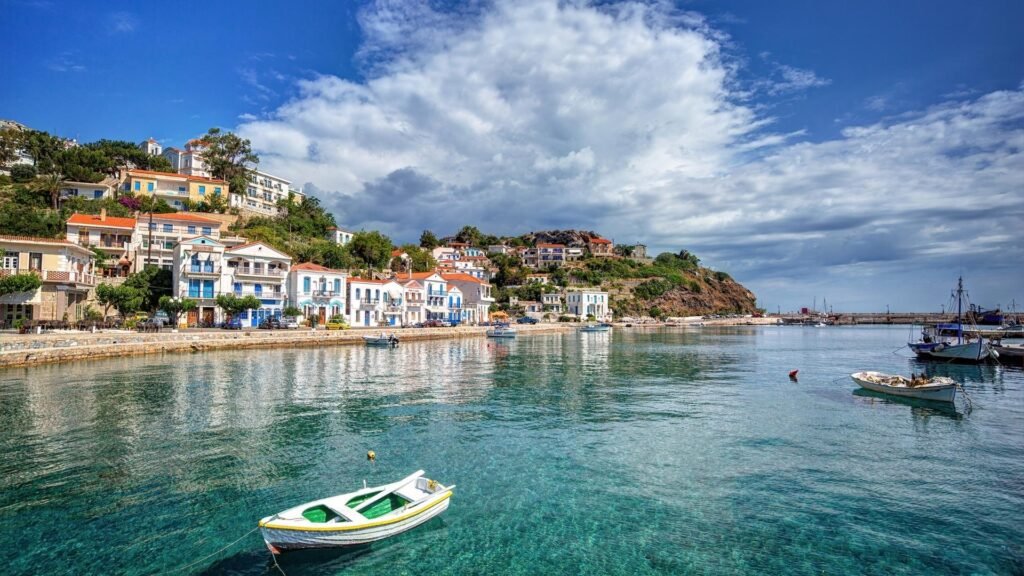
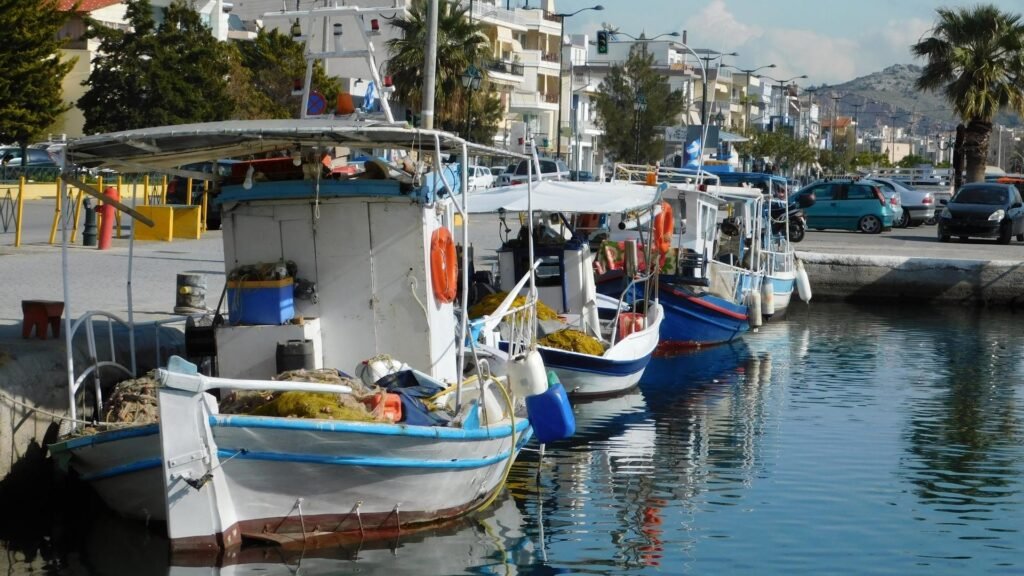
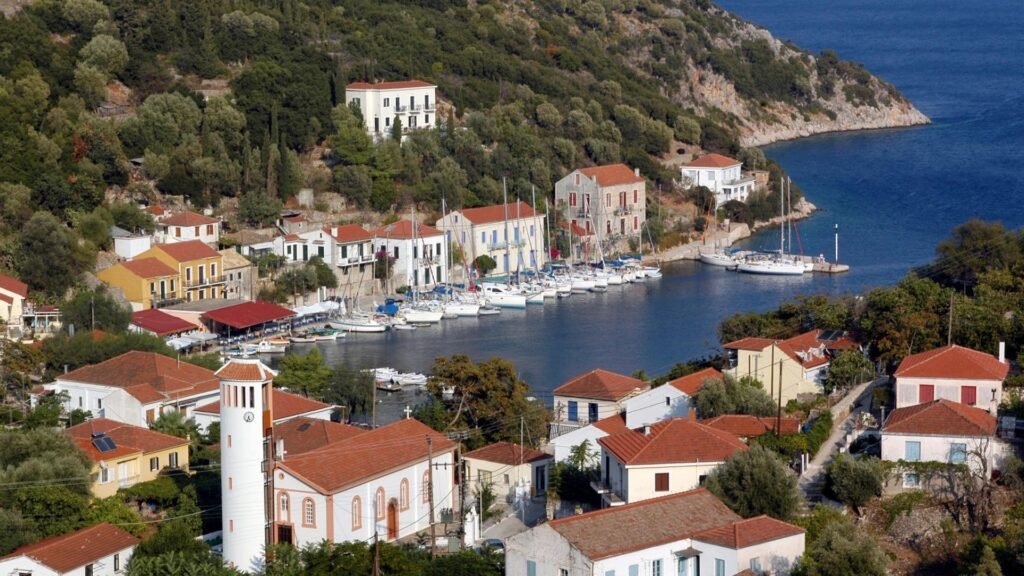
The social hub of the island, Vourkari is a small fishing village that becomes a chic destination for yachts in the summer. It is lined with high-end seafood restaurants, art galleries, and bars that stay lively into the night.
The Monastery of Panagia Kastriani
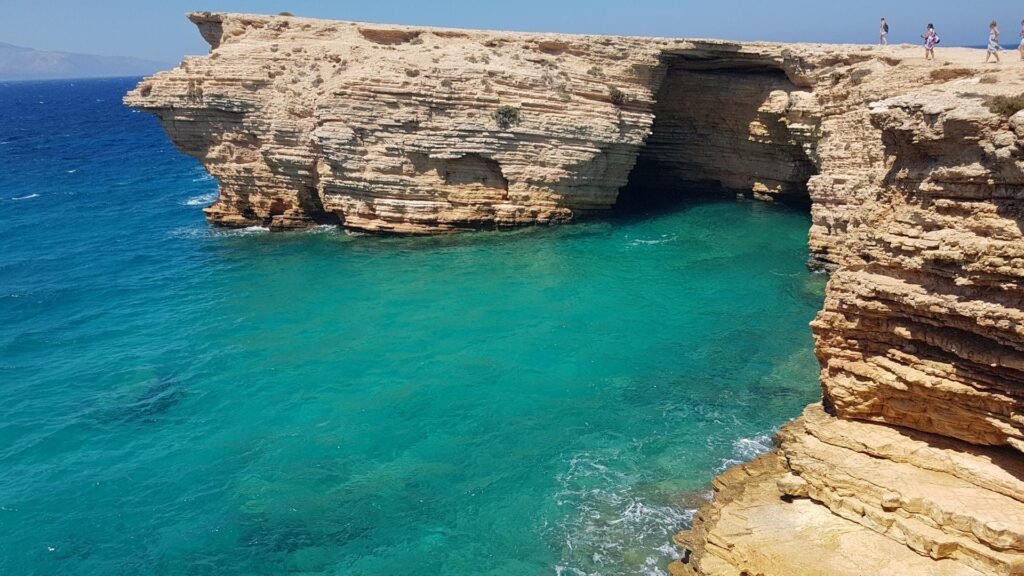
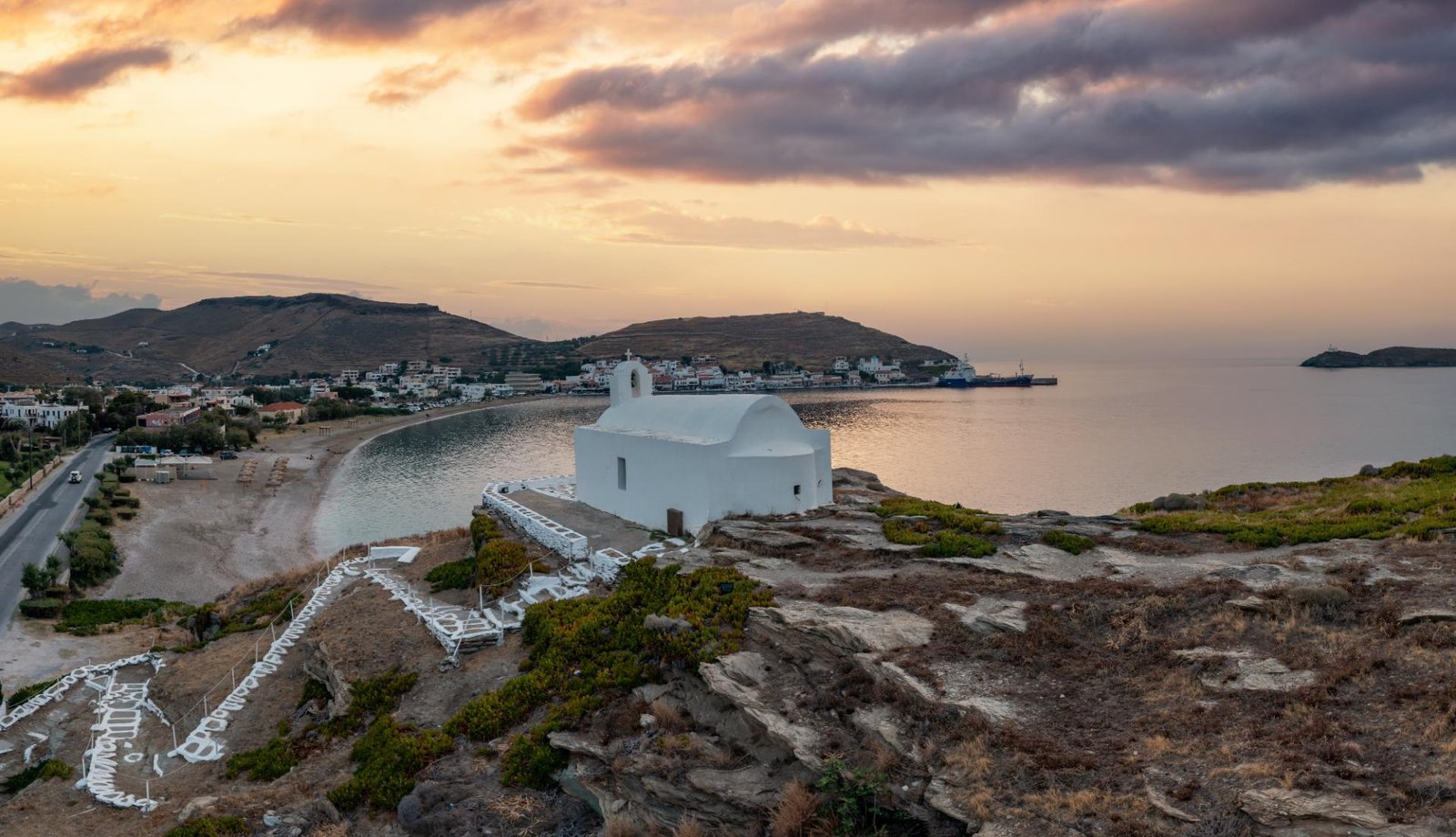
Built on a sheer cliff on the northern tip of the island, this monastery offers breathtaking views of the Aegean. It is the spiritual center of the island and a popular spot for weddings due to its dramatic location.
Otzias Beach
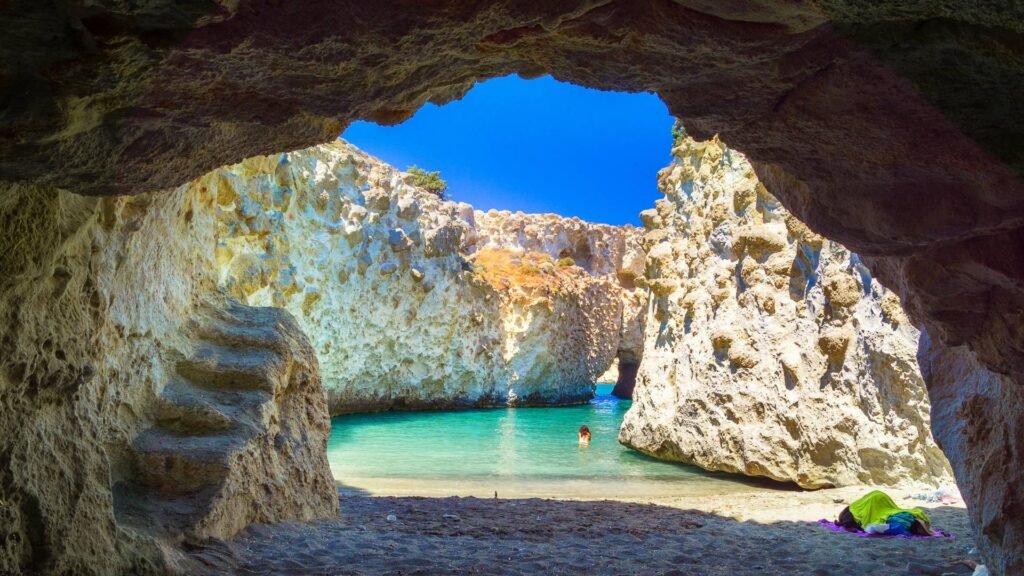
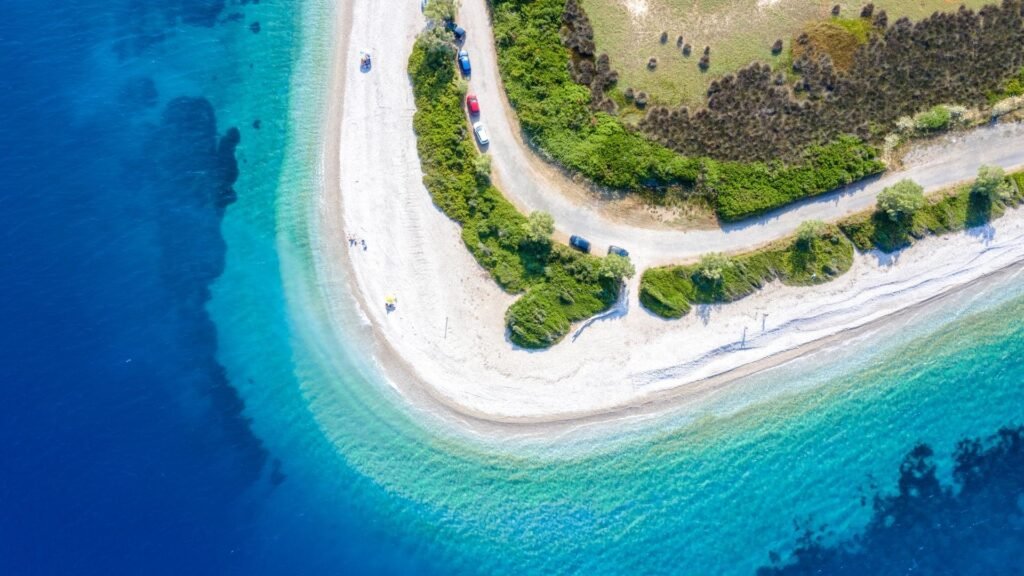
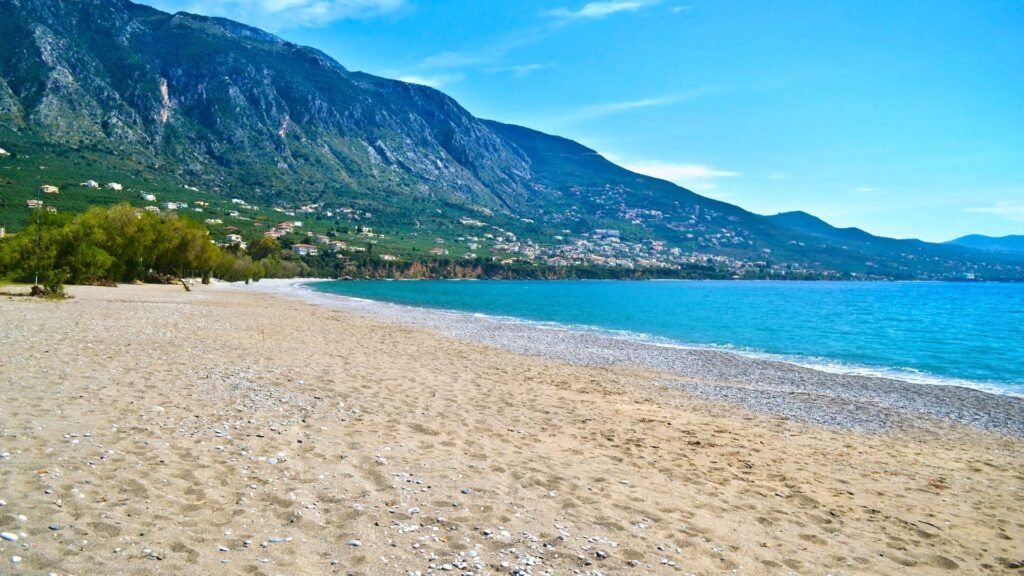
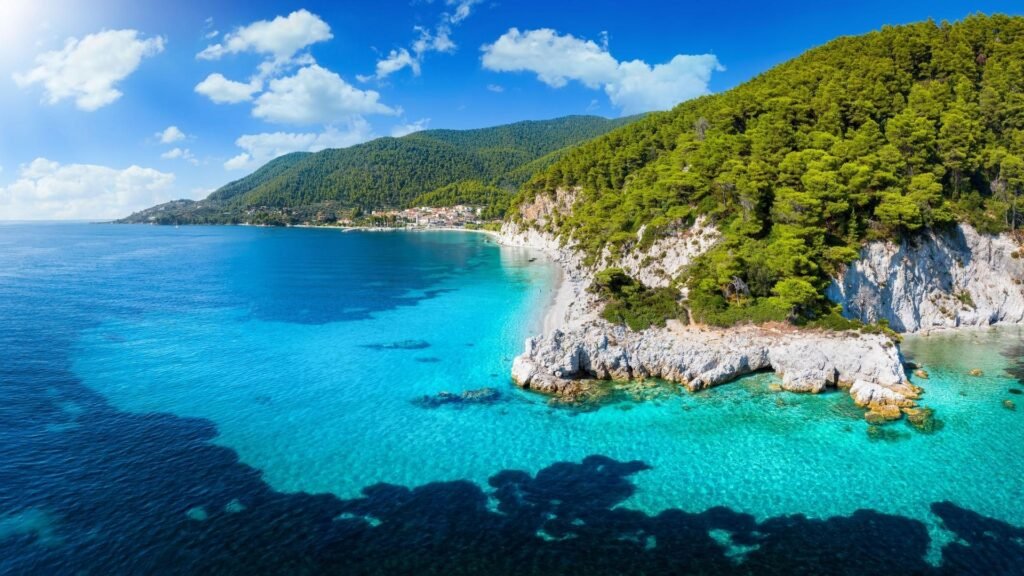
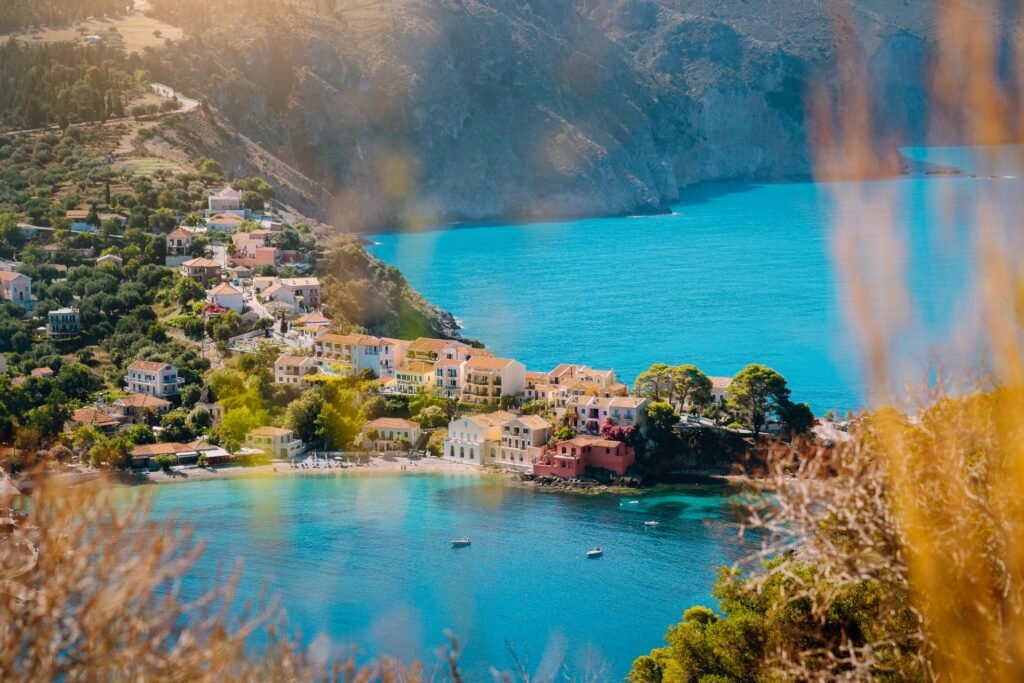
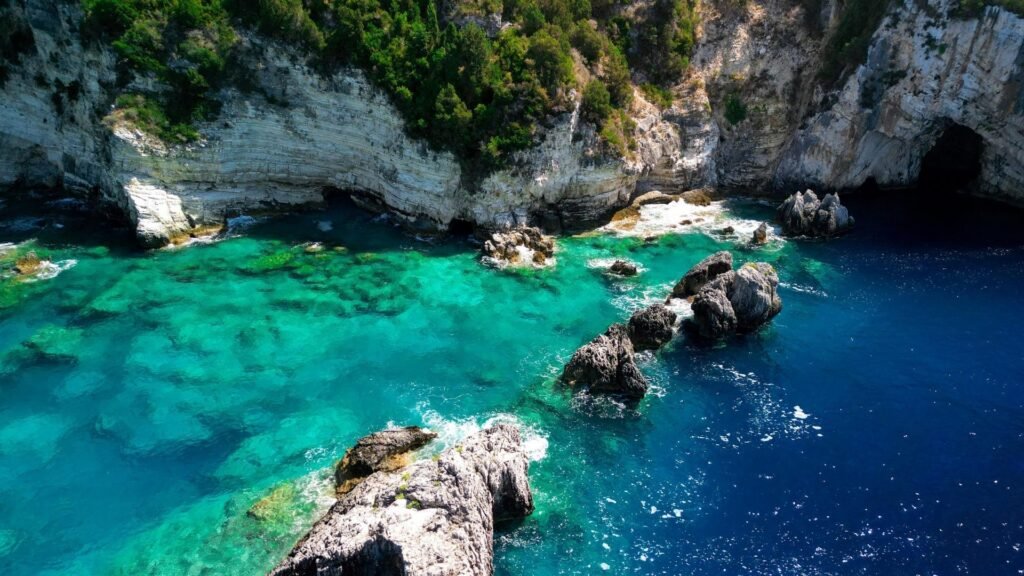
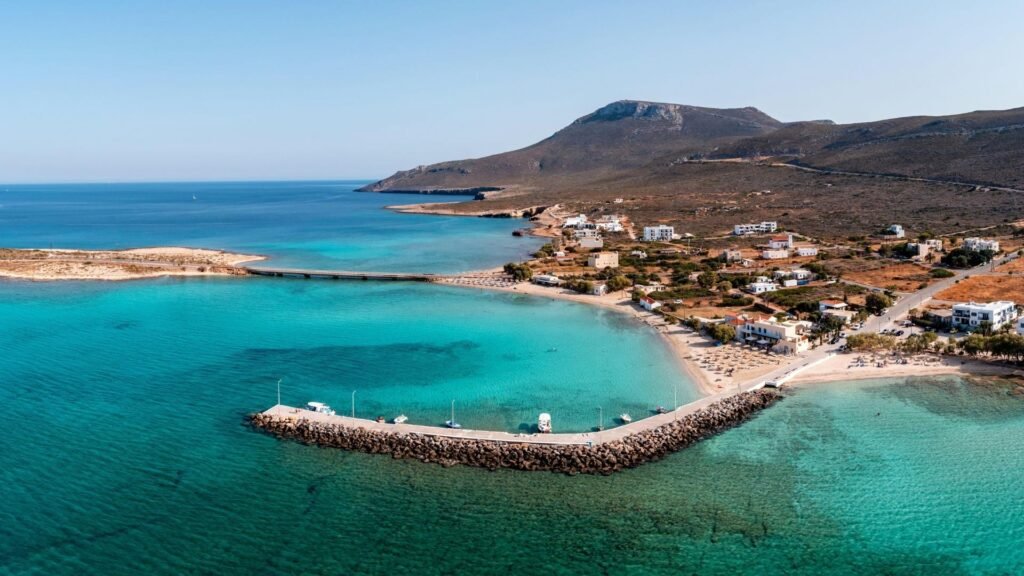
A large, circular bay with shallow turquoise water and plenty of trees for shade. It is the most family-friendly beach on the island and is perfect for a relaxed day of swimming and traditional Greek food.
Koundouros Beach
A series of small, rocky coves and sandy beaches on the west coast. It is the most developed part of the island, featuring stone-built villas and organized beach bars, ideal for those seeking comfort and style.
The Ancient Stone Paths
Kea has a network of 81km of ancient paths that connected the four city-states. These trails are among the best-marked in Greece and take you through oak forests, past ancient springs, and down to deserted beaches.
Agia Eirini Prehistoric Settlement
Located near the port of Korissia, this Bronze Age settlement was a major trade hub. You can see the remains of the ancient fortification walls and learn about the island’s early maritime history.
The Britannic Shipwreck
While only accessible to technical divers, the history of the HMHS Britannic is a major part of the island’s identity. The Kea Underwater Historic Park is developing new ways for visitors to explore the island’s many shipwrecks via virtual reality and museum exhibits.
Island-hopping from Kea
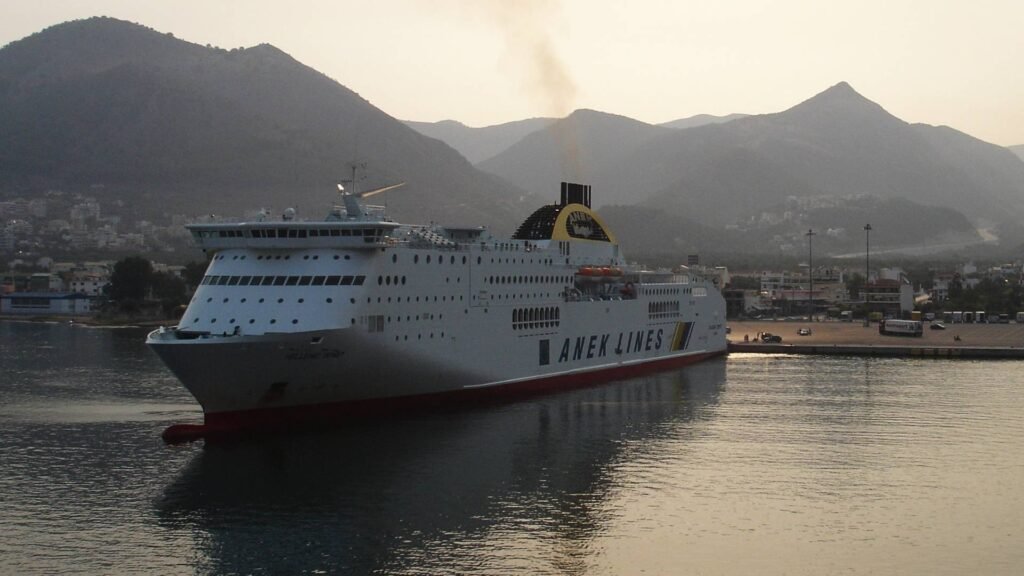
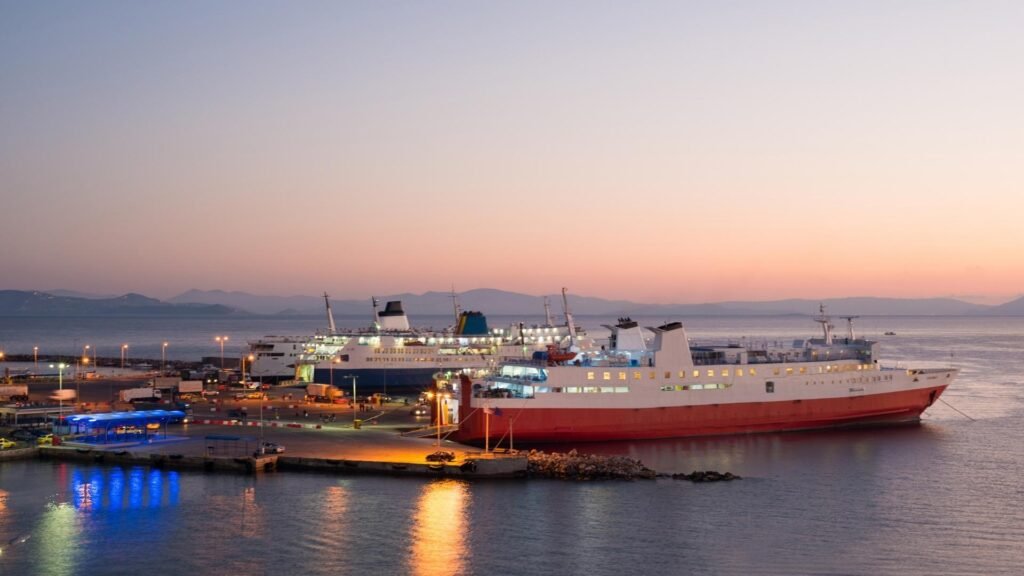
Kea is primarily served by the port of Lavrio, with the ferry taking only 60 minutes. This makes it the fastest island escape from Athens. Daily connections also link Kea to Kythnos (1.5 hours) and Syros. It is the perfect starting point for an ‘Alternative Cyclades’ route that avoids the crowds of Piraeus.