Milos: The Island of Colors and Volcanic Wonders
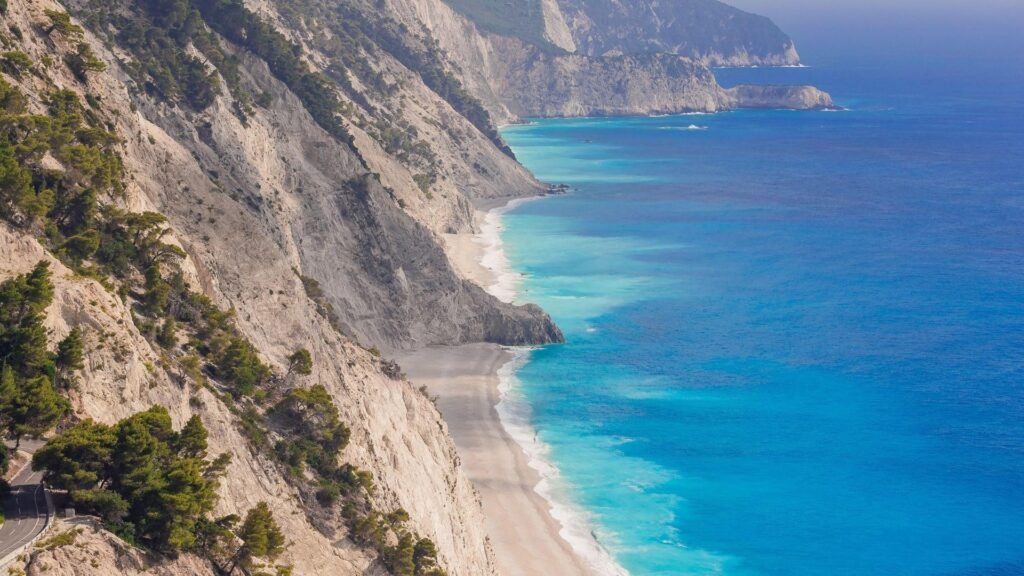
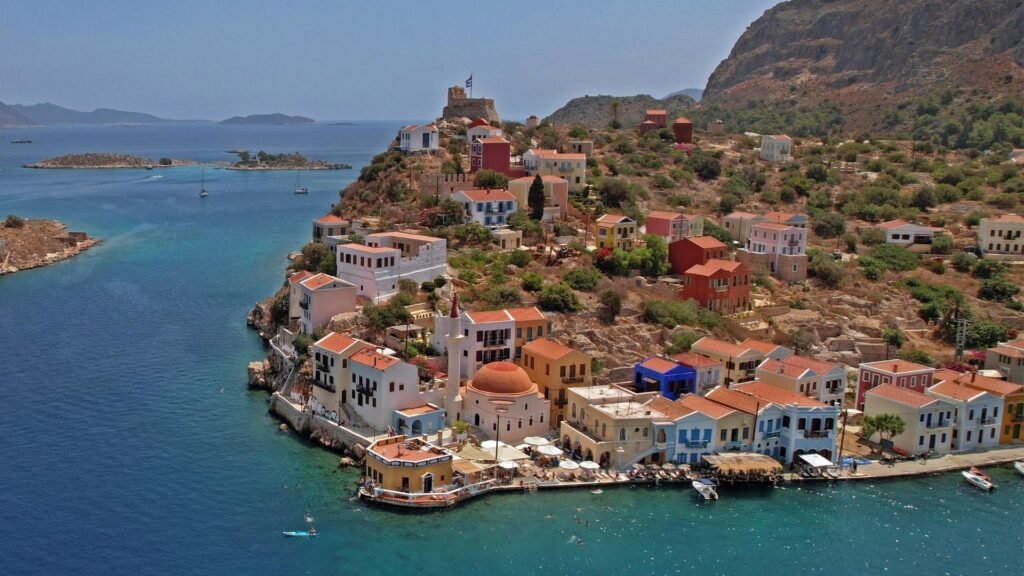
Milos is a geological masterpiece. Known as the ‘Island of Colors’ due to its diverse rock formations and multi-colored beaches, it is the place where the Venus de Milo was discovered. In 2026, Milos has become one of the most sought-after destinations in Greece, offering a surreal landscape of white lunar rocks, red cliffs, and the unique fisherman’s huts known as ‘Syrmata’.
Things to know about Milos
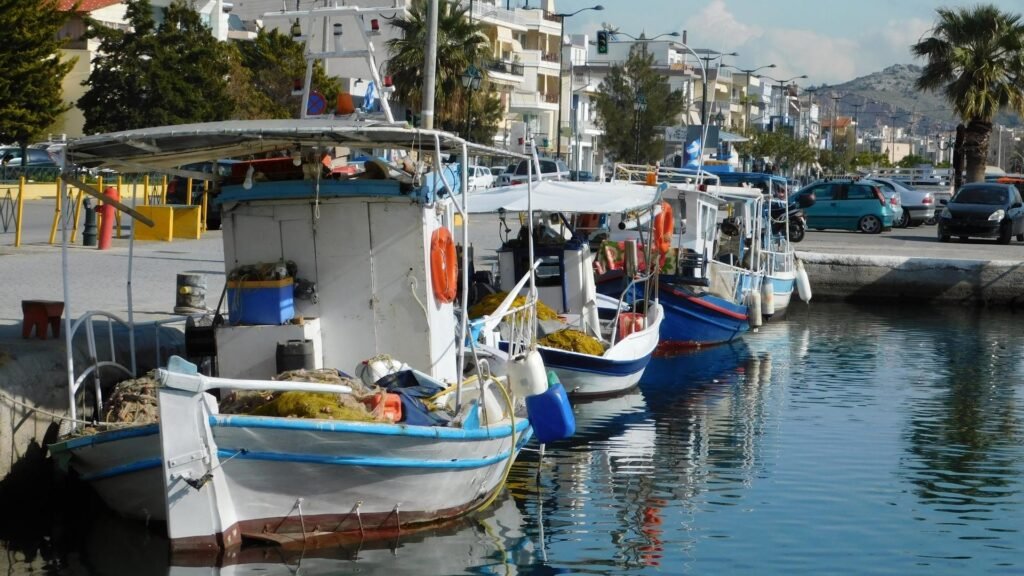
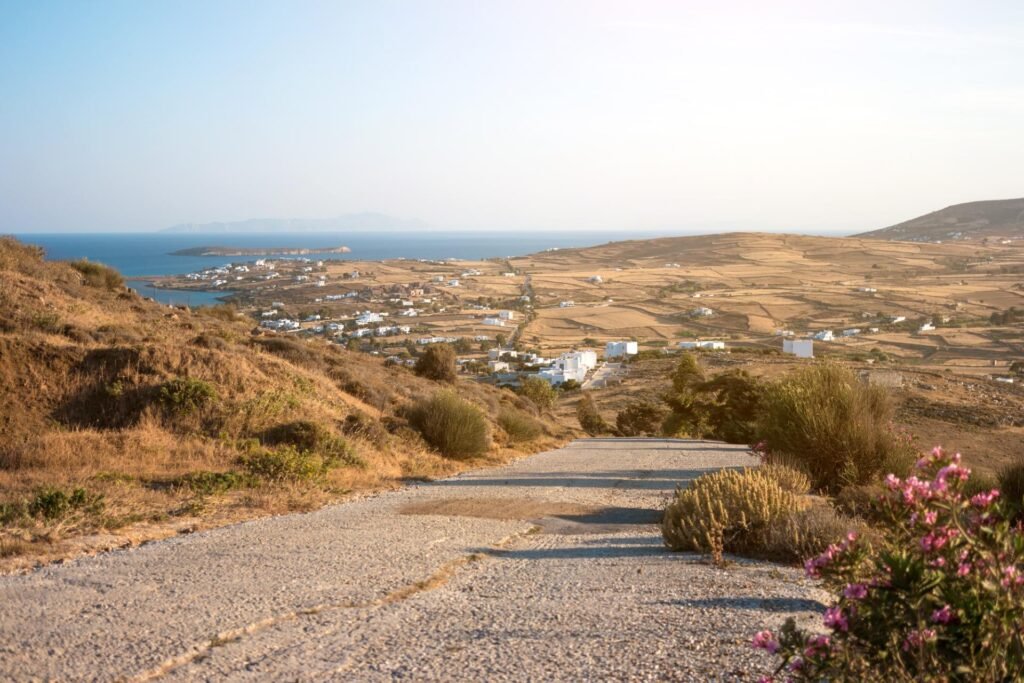
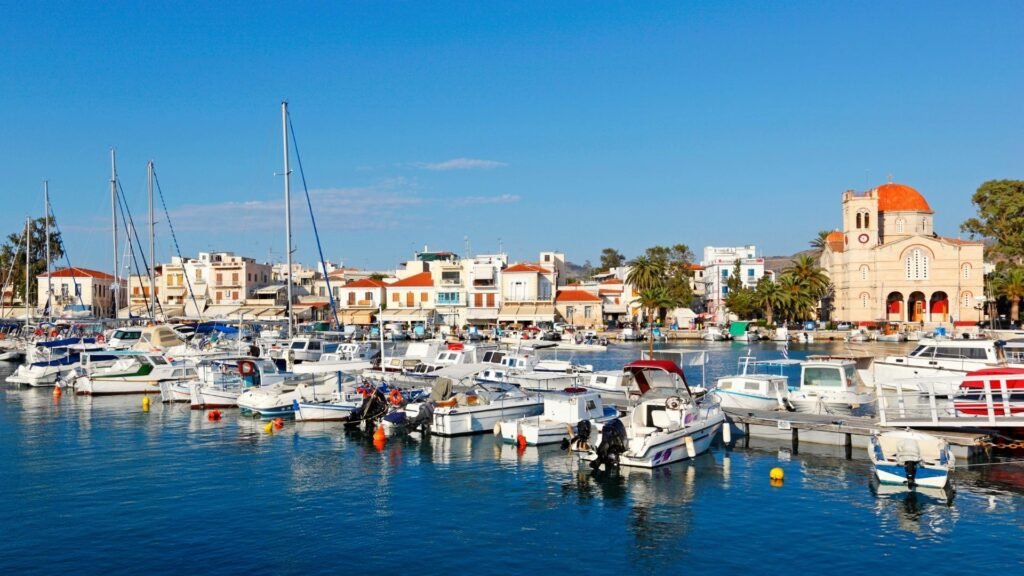
Milos is a volcanic island in the southwestern Cyclades. Geographically, it is horseshoe-shaped, creating one of the largest natural harbors in the Mediterranean (Adamas). Historically, it was an important source of obsidian in the Neolithic era. An ideal trip length is 5-6 days, as much of the island is only accessible by boat. It is famous for Sarakiniko beach, its ancient catacombs, and the colorful ‘Syrmata’ in villages like Klima.
Top attractions in Milos
Sarakiniko Beach
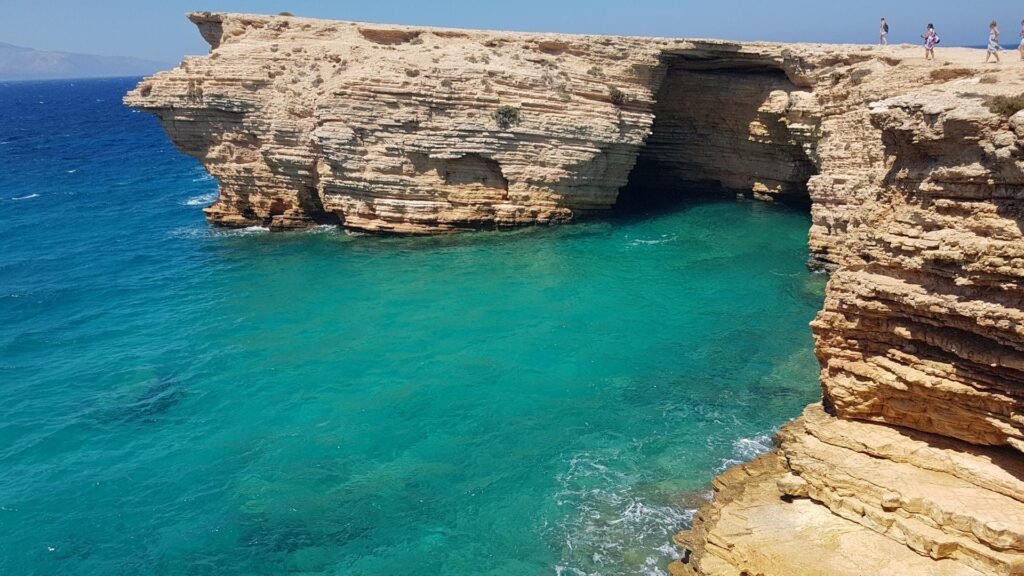
This is the most famous spot on the island. Sarakiniko is a landscape of bone-white volcanic rock sculpted by the wind and waves into smooth, strange shapes. It looks like the surface of the moon, contrasting sharply with the deep blue of the sea.
Klima Village
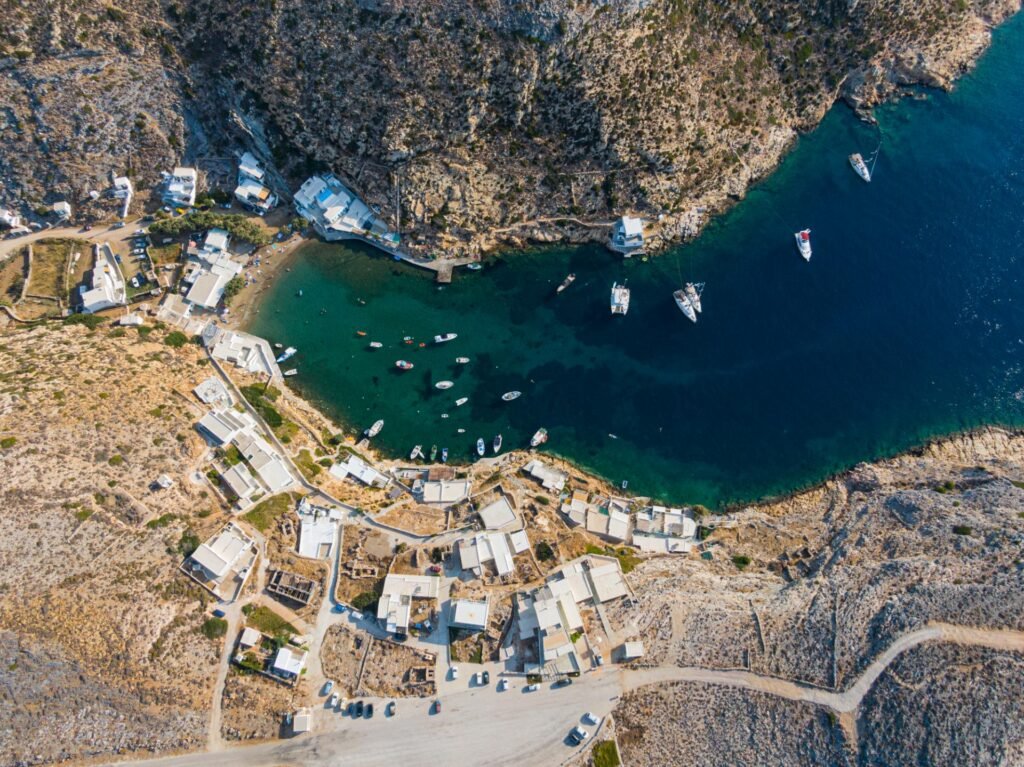
A traditional fishing village where the houses (Syrmata) are built directly into the rocks. The doors and balconies are painted in vibrant colors, and the ground floors were originally used to store boats during the winter. It is the most colorful sunset spot on the island.
The Catacombs of Milos
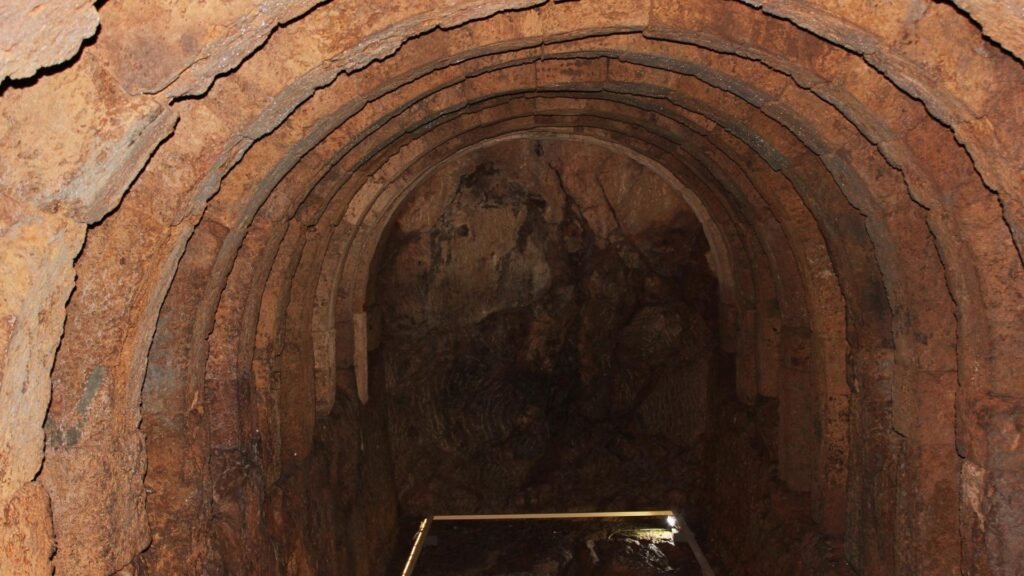
Dating back to the 1st century AD, these are among the most important early Christian burial sites in the world, second only to those in Rome. They consist of a network of underground corridors carved into the soft volcanic rock.
Kleftiko (Sea Caves)
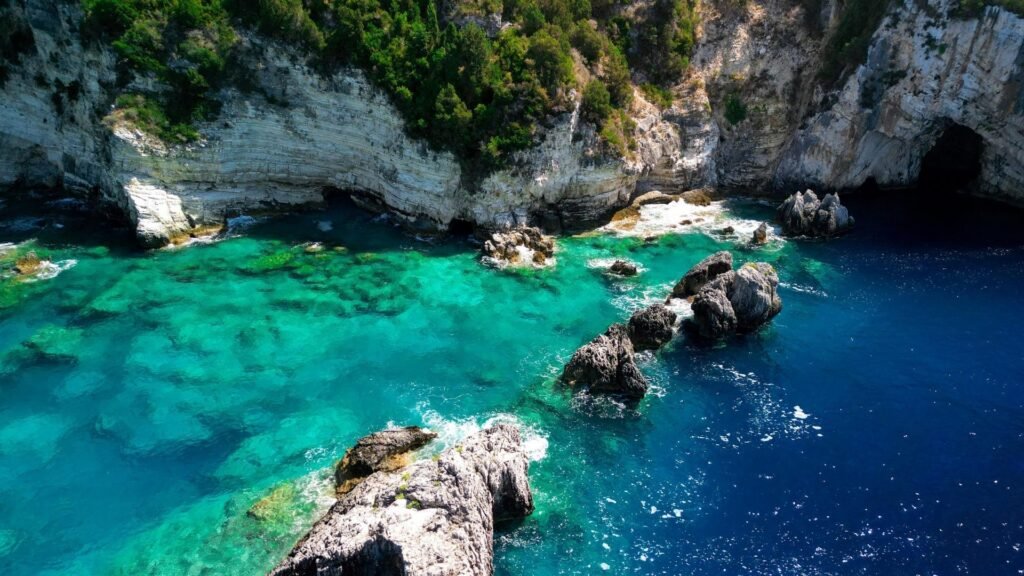
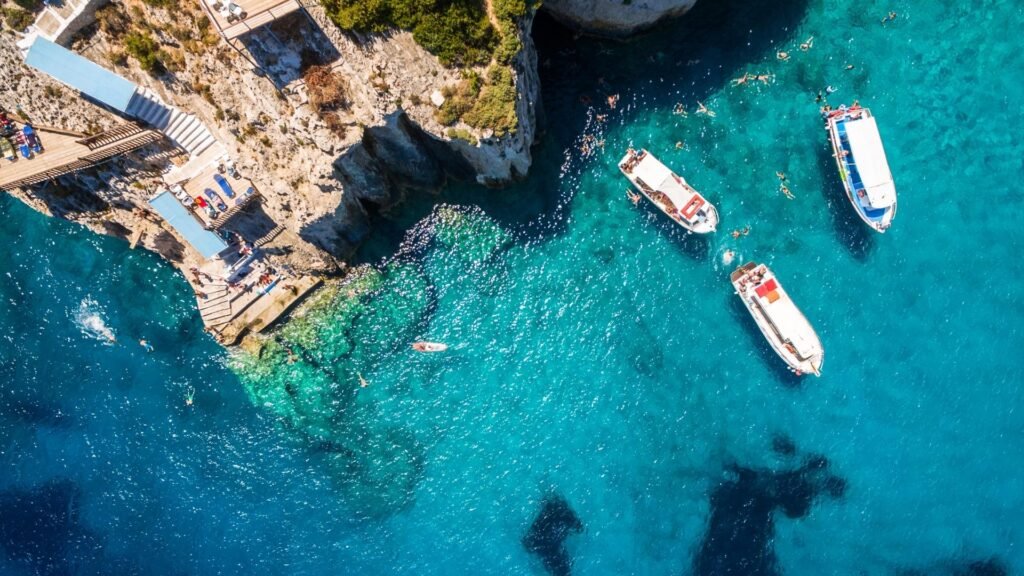
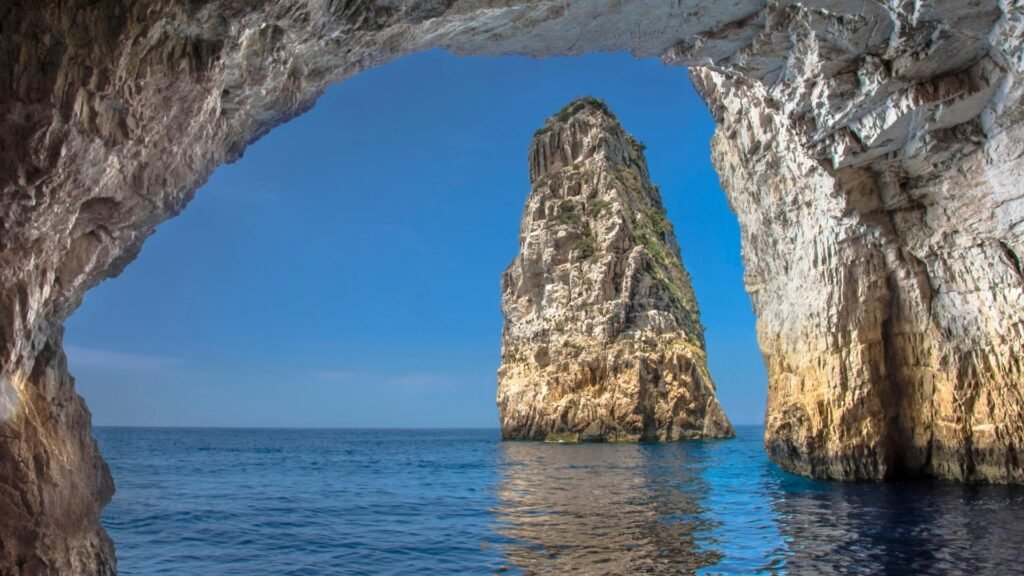
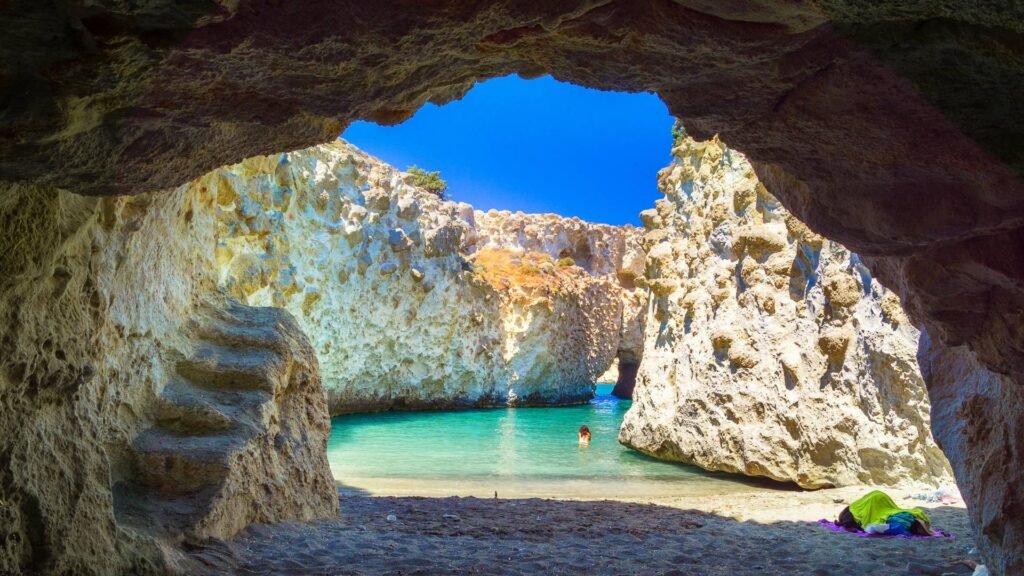
Only accessible by boat, Kleftiko was an old pirate hideout. It is a complex of towering white rock formations and sea caves in the middle of the sea. The water is exceptionally clear, making it a world-class snorkeling destination.
Plaka (The Capital)
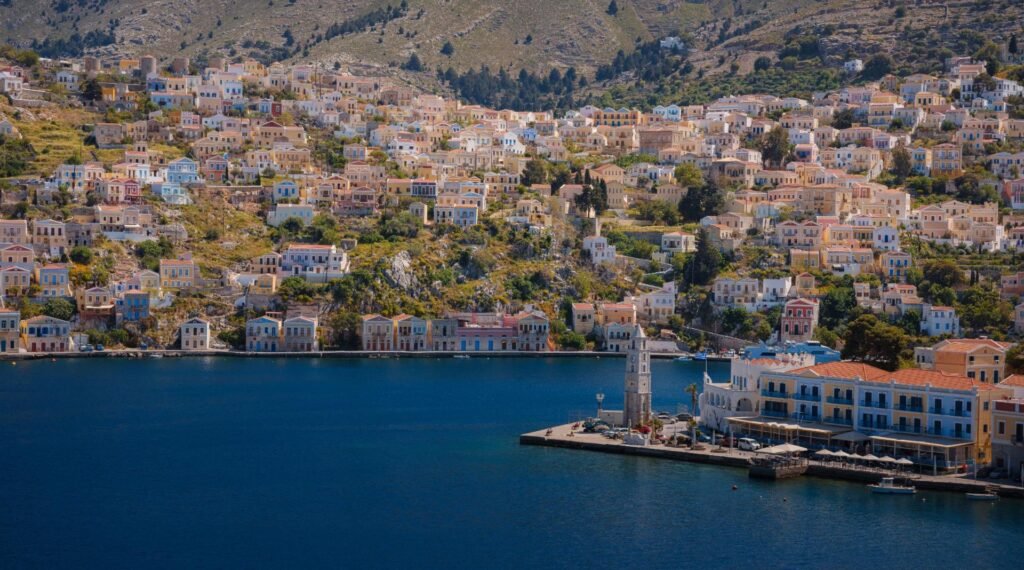
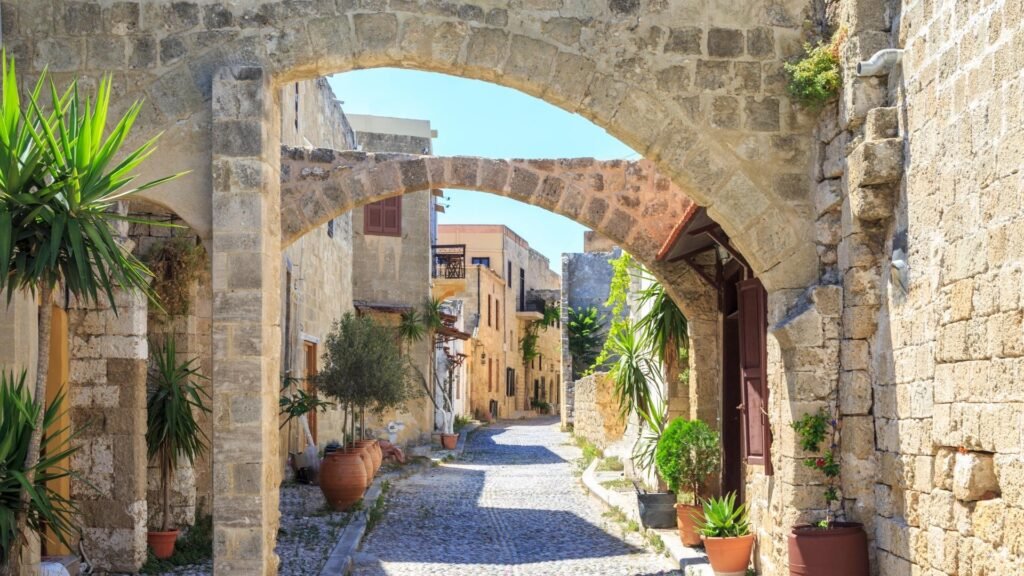
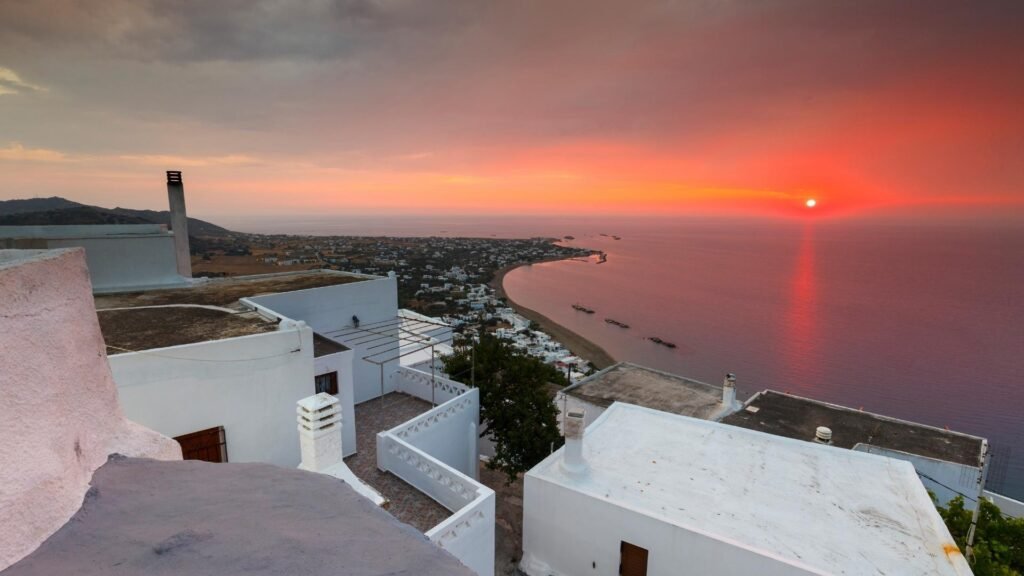
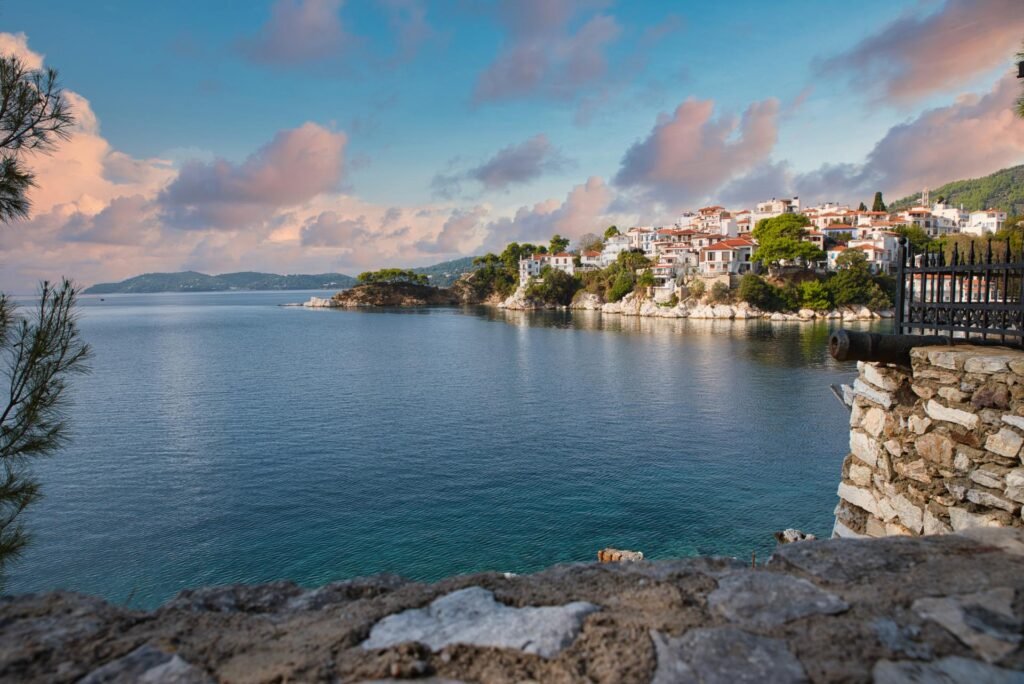
The Chora of Milos, Plaka is built on a hill overlooking the Gulf. It features traditional Cycladic architecture and narrow alleys. A walk up to the Venetian Castle (Kastro) at the top is mandatory for the panoramic sunset view.
The Ancient Theater of Milos
A beautifully preserved marble theater overlooking the sea near the village of Tripiti. It was here, in a nearby field, that a local farmer discovered the Venus de Milo (now in the Louvre) in 1820.
Firopotamos Beach
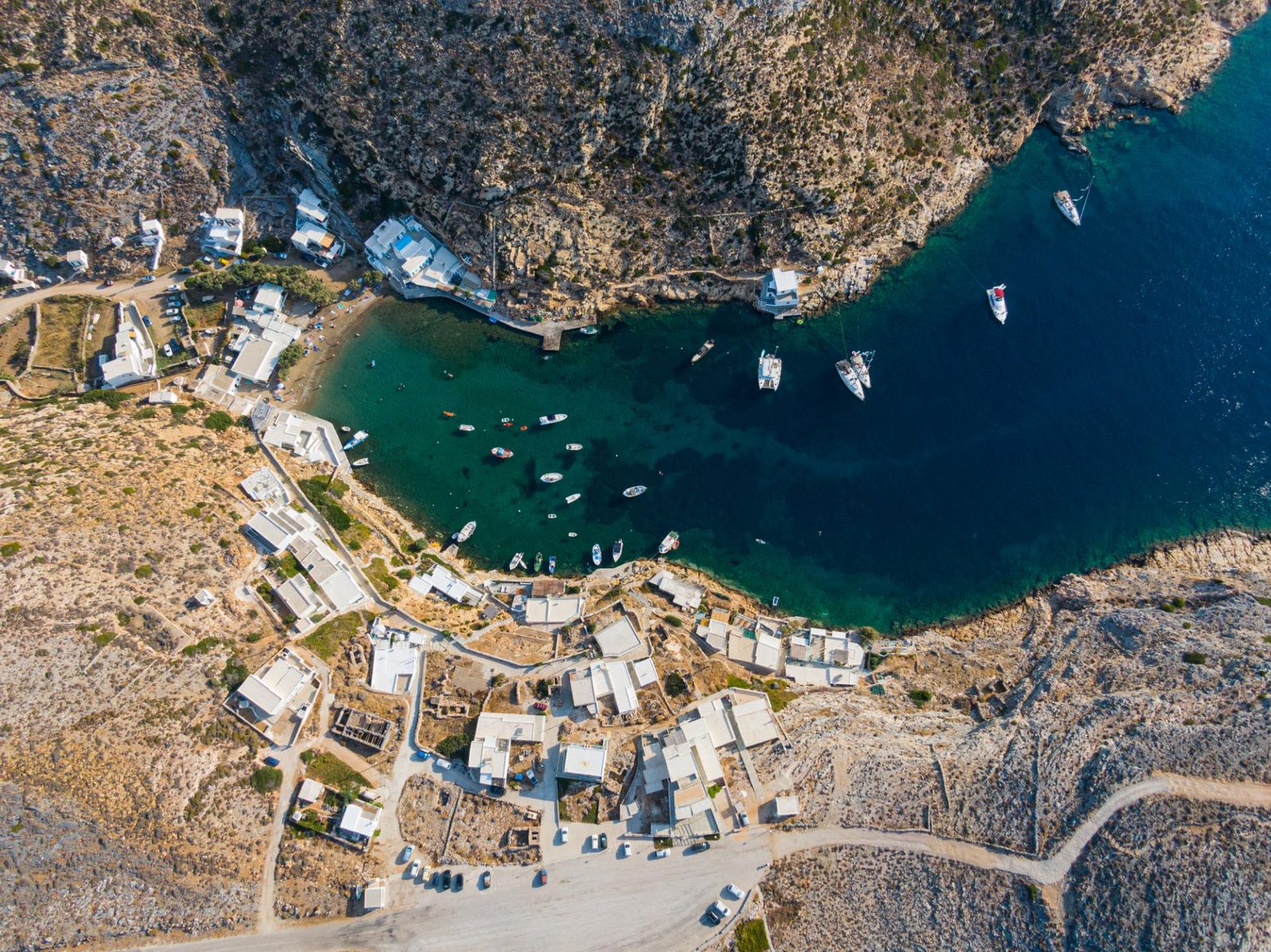
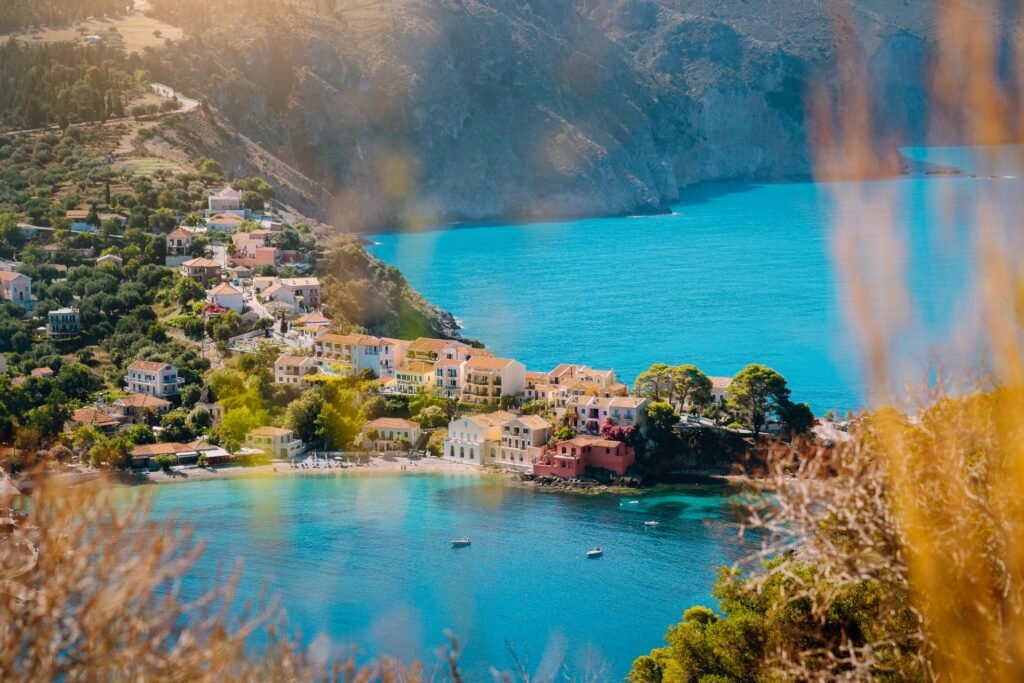
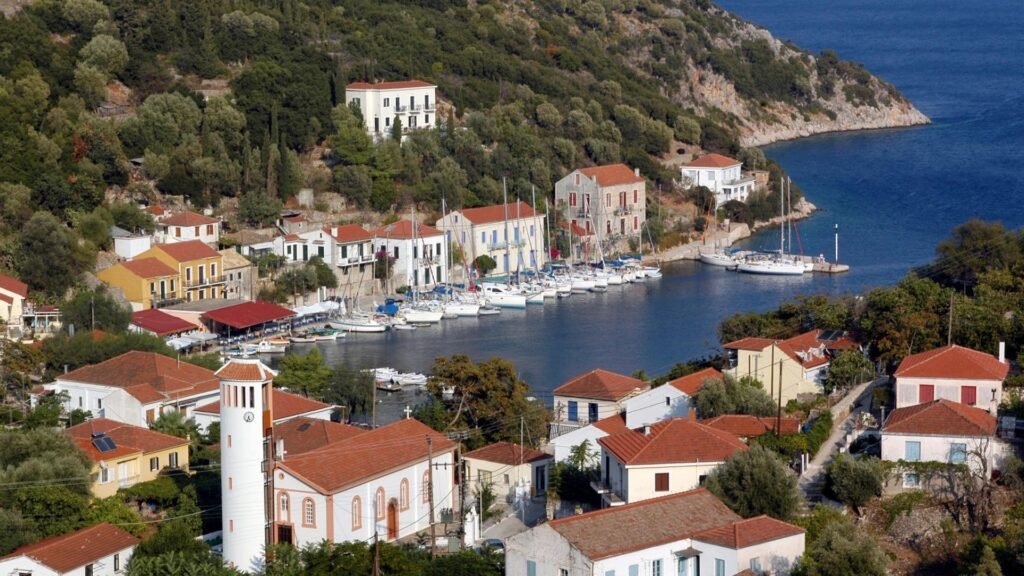
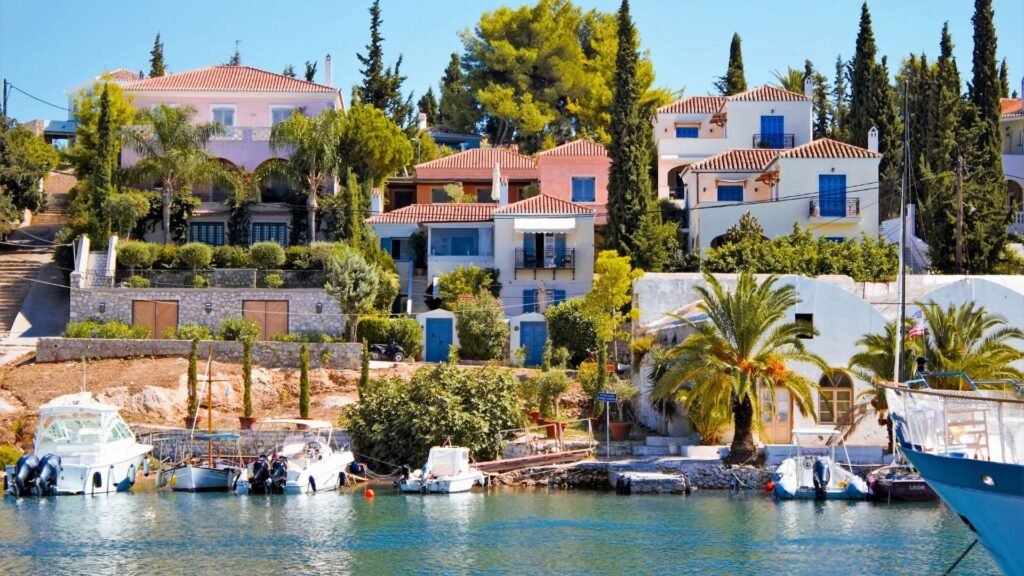
A small, picturesque bay with turquoise water, surrounded by ‘Syrmata’ and a beautiful church. It offers a perfect blend of a traditional fishing settlement and a stunning swimming spot.
Papafragas Caves
A deep sea-canyon with high walls and a tiny sandy beach at the end. It is a natural wonder where you can swim through the caves into the open sea, though access is steep and requires caution.
Tsigrado Beach
Known for its adventurous access, you have to descend a wooden ladder and a rope between rocks to reach this small, emerald-water paradise. It is one of the most secluded and beautiful spots on the island.
Pollonia Village
A charming fishing village on the northeastern tip of the island. It is the culinary hub of Milos, famous for its high-end seafood restaurants and its relaxed, family-friendly atmosphere.
Island-hopping from Milos
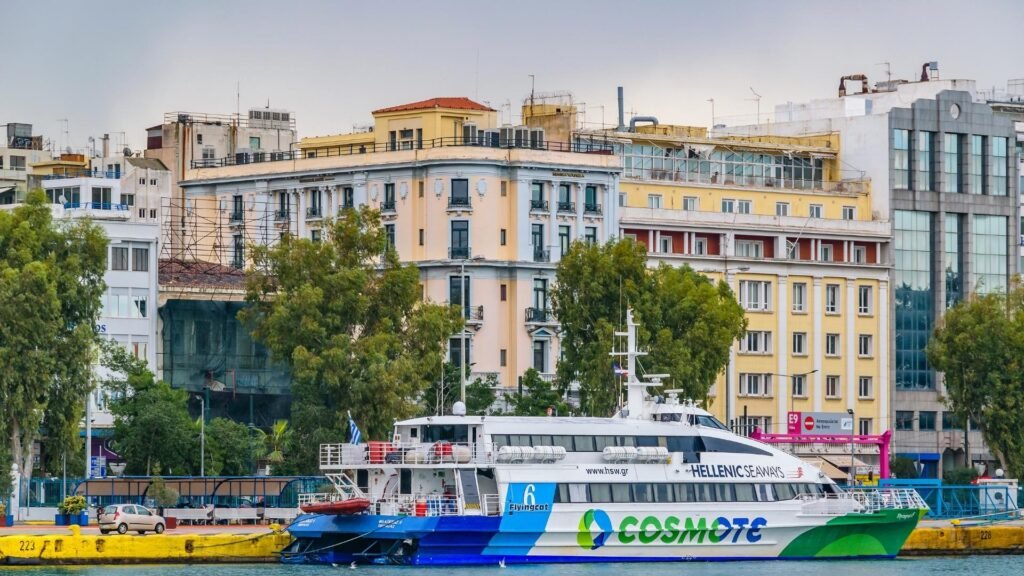
Milos is the main hub for the western Cyclades. Daily ferries connect it to Piraeus (3-7 hours). It is the best starting point for visiting Kimolos (only 20 mins from Pollonia). Frequent connections also link Milos to Sifnos (45 mins), Serifos (1 hour), and Santorini (2 hours). Milos Airport (MLO) offers daily flights to Athens.