Patras: The Port of the West and Capital of Carnival
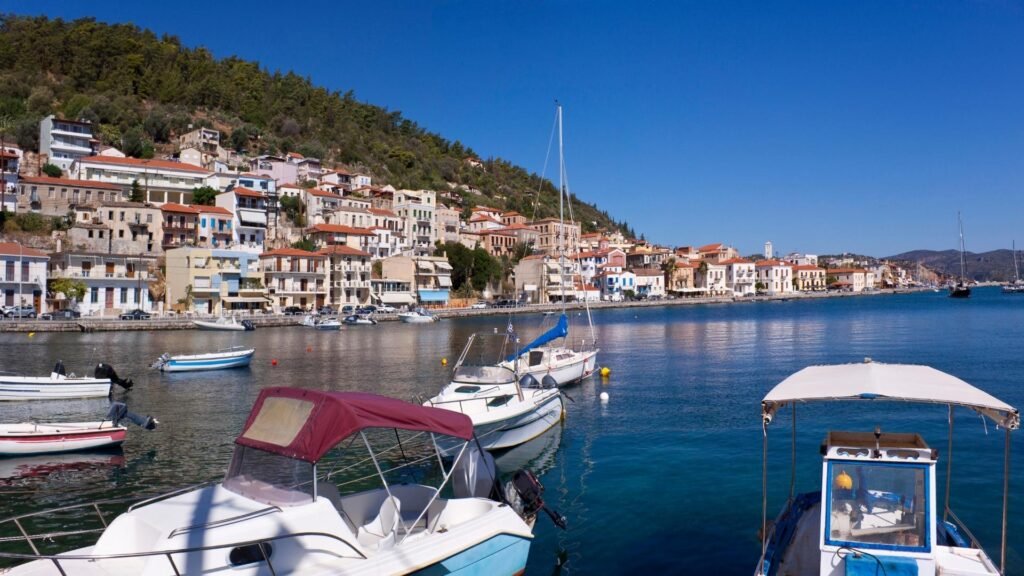
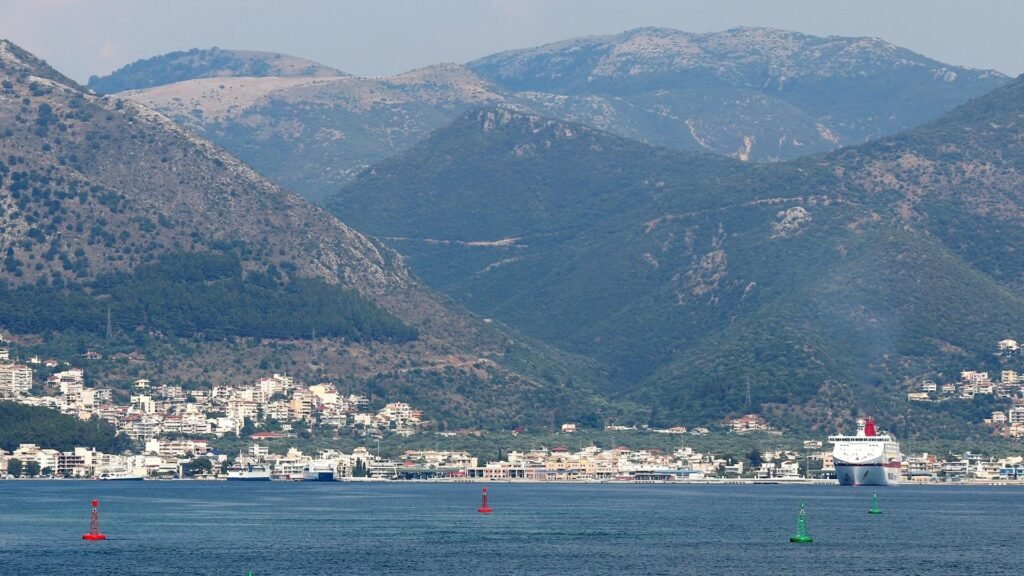
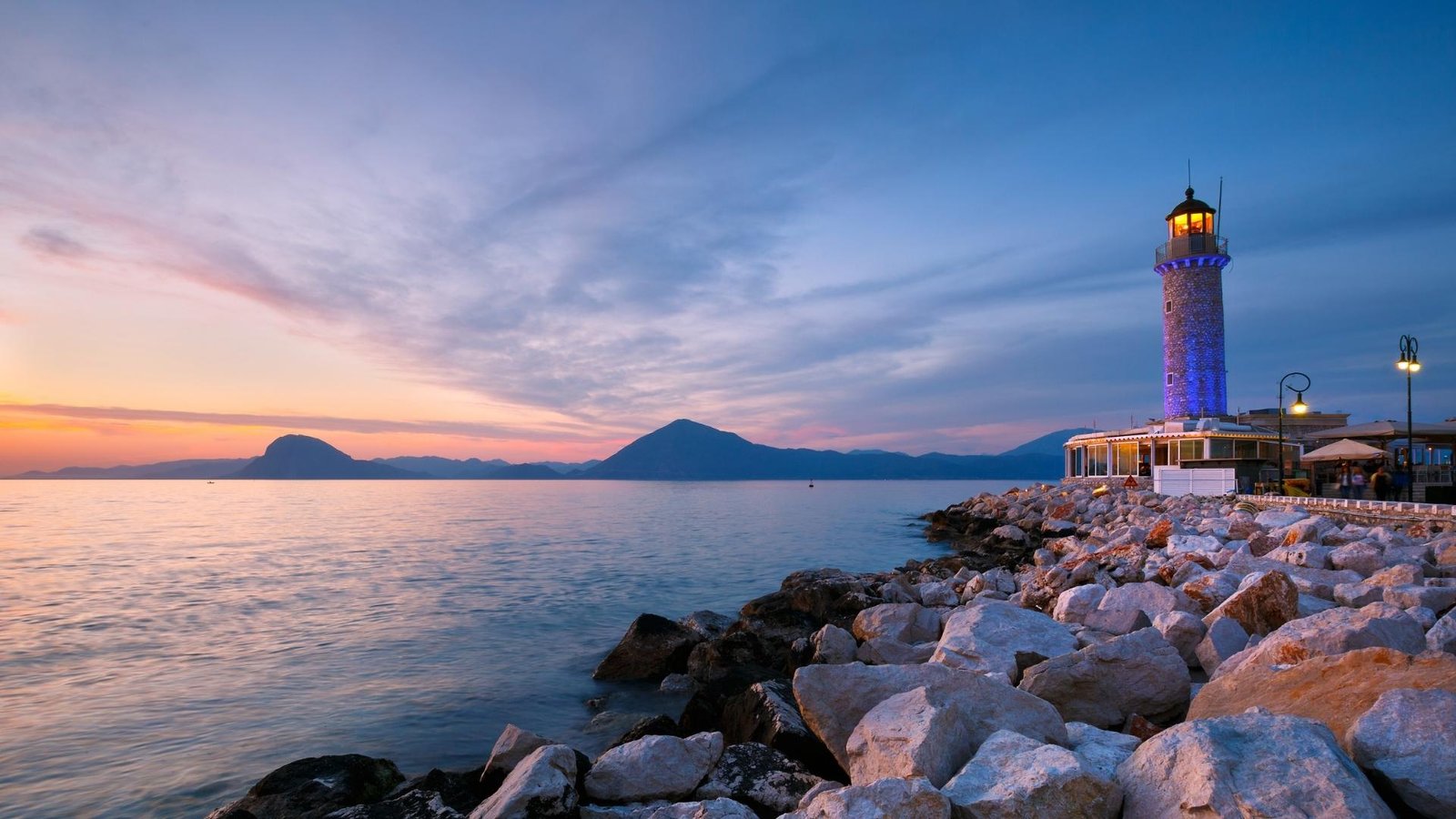
Patras is a city of grand scale, youthful energy, and a deep connection to the sea. As the third largest city in Greece and its main gateway to Italy, Patras is a vibrant metropolis built at the foot of Mount Panachaiko. In 2026, Patras is celebrated as the ‘City of Students’ and the capital of the Greek Carnival. With its neoclassical squares, impressive Roman ruins, and the massive Rio-Antirrio bridge, Patras offers a sophisticated urban experience that serves as the perfect starting point for exploring the Peloponnese and Western Greece.
Things to know about Patras
Geographically, Patras is located on the Gulf of Patras, at the entrance to the Gulf of Corinth. Historically, it was a major center for the silk and currant trades. An ideal trip length is 2-3 days. It is famous for the Patras Carnival (the largest in Greece), the Saint Andrew Cathedral, and the Rio-Antirrio bridge—the longest cable-stayed bridge in the world. The city is divided into the ‘Upper Town’ (neoclassical and historic) and the ‘Lower Town’ (the modern commercial and port hub).
Top attractions in Patras
The Church of Saint Andrew
One of the largest churches in the Balkans, this magnificent cathedral is dedicated to the patron saint of the city. It houses the relics of Saint Andrew and the cross on which he was martyred. The interior is a masterclass in Byzantine-style iconography and mosaics.
The Roman Odeon
A beautifully restored 2nd-century theater located in the Upper Town. It is older than the Herodes Atticus in Athens and still hosts cultural performances and concerts during the summer months. It is one of the most significant Roman monuments in Greece.
The Patras Castle
Built in the 6th century AD on the site of the ancient acropolis, the castle offers a panoramic view of the city, the port, and the mountains of Central Greece across the gulf. It features Byzantine, Venetian, and Ottoman layers of history.
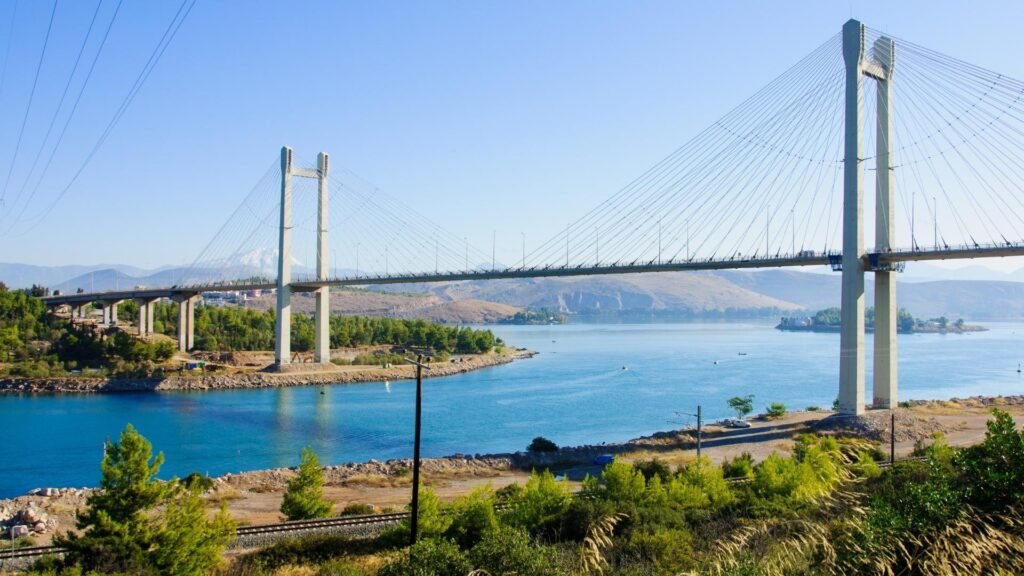
The Rio-Antirrio Bridge (Charilaos Trikoupis)
A modern engineering wonder that connects the Peloponnese to mainland Greece. You can walk across the bridge on a dedicated pedestrian path for a spectacular view of the sea and the surrounding mountains. It is a symbol of modern Greek progress.
The New Archaeological Museum of Patras
Housed in a striking modern building with a silver dome, this museum contains a vast collection of finds from the prehistoric to the late Roman era. The highlights are the incredibly well-preserved Roman floor mosaics found throughout the city.
The Old Municipal Hospital (Cultural Center)
A beautiful neoclassical building that now serves as a cultural hub and gallery. It is a prime example of the 19th-century architecture that defines the social history of Patras during its economic golden age.
Agios Nikolaos Stairs
The iconic 193 steps that connect the Lower Town to the Upper Town. It is the most popular spot for young people to hang out, offering a great view of the harbor and the sunset between the buildings of the city center.
The Achaia Clauss Winery
Located on a hill just outside the city, this is the oldest winery in Greece, founded in 1861. You can tour the historic stone buildings and taste the legendary ‘Mavrodaphne’ dessert wine in a setting that feels like a medieval village.
Psila Alonia Square
The most elegant square in the city, lined with palm trees and neoclassical mansions. It is a quiet, aristocratic place for a coffee and features a statue of the revolutionary hero Palaion Patron Germanos.
The Spinney of Patras (Dasillio)
A lush pine forest on a hill overlooking the city. It is the ‘balcony’ of Patras, offering cool shade, walking paths, and a panoramic view of the entire Gulf of Patras. It is the perfect place to escape the urban heat.
Island-hopping from Patras
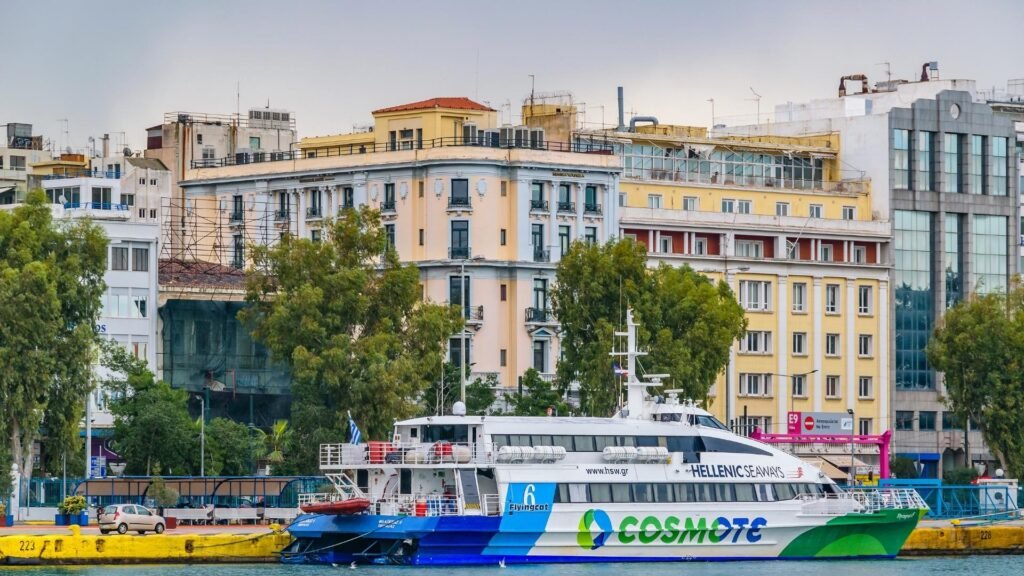
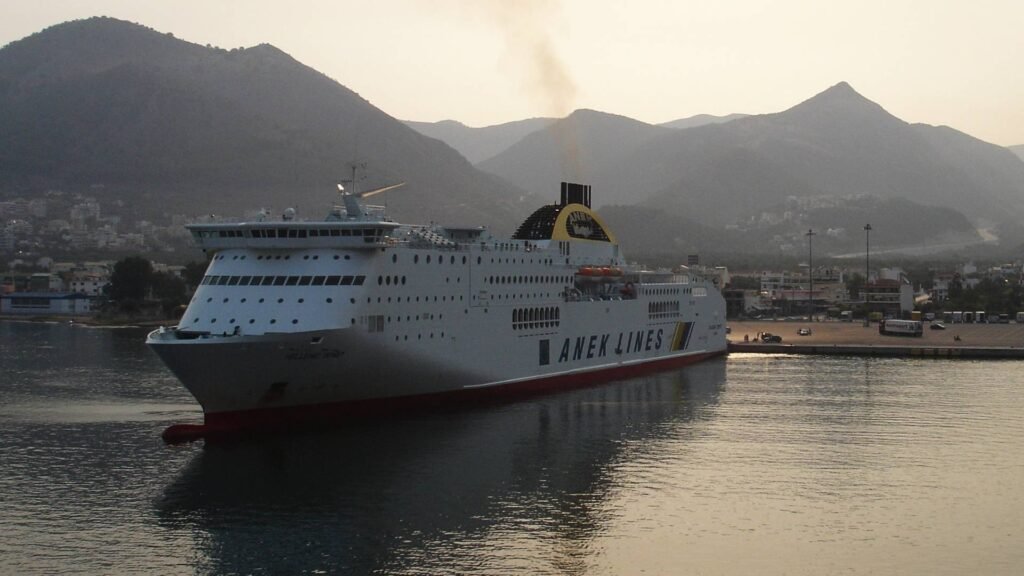
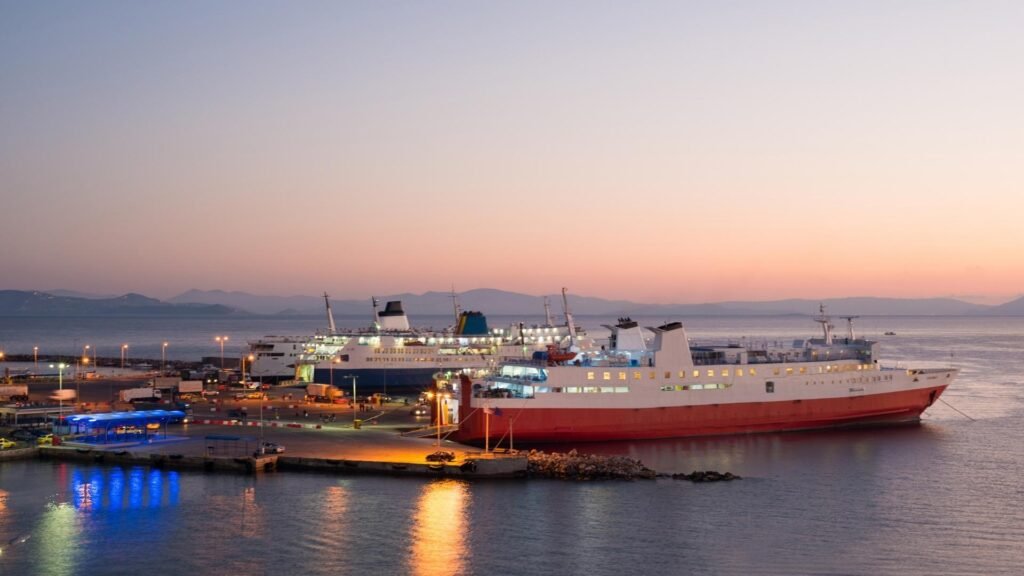
Patras is the primary hub for ferries to the Ionian and Italy. Daily ferries connect Patras to Kefalonia (Sami) and Ithaca (3.5 hours). Large international ferries run daily to the Italian ports of Bari, Brindisi, Ancona, and Venice. It is also the gateway for the Peloponnese railway and road network, making it the most important logistics center of Western Greece.