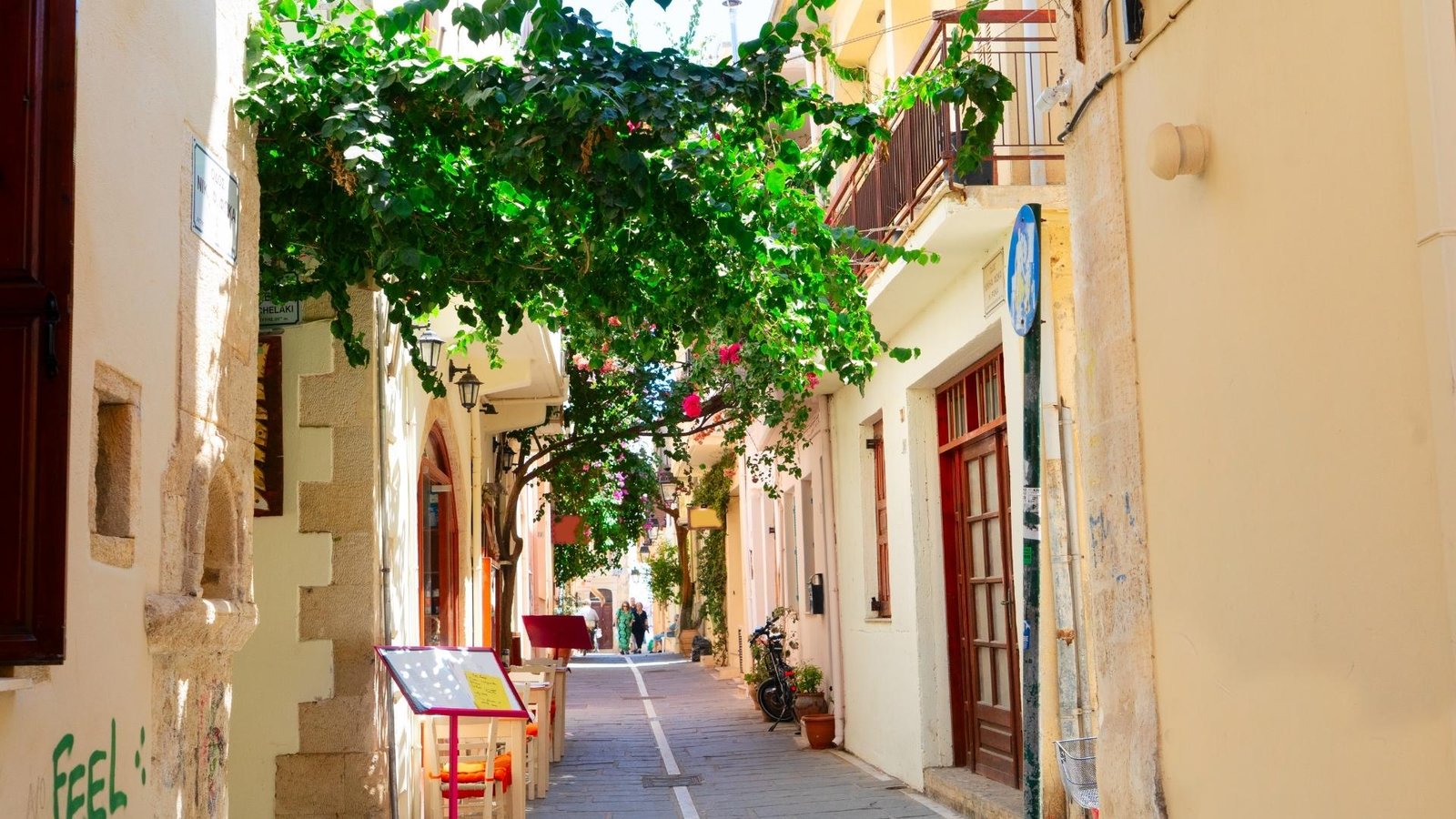
Rethymno: The Renaissance Heart of Central Crete
Rethymno is a city of poetic beauty, where the architectural layers of the Venetian and Ottoman empires create one of the most romantic settings in the Aegean. Located between the more commercialized Chania and Heraklion, Rethymno has maintained a scholarly and artistic atmosphere, being the home of Crete’s University. In 2026, it remains a destination of high aesthetic, famous for its massive Fortezza, its mountain villages on the slopes of Mount Psiloritis, and a coastline that features both long sandy beaches and hidden palm-fringed coves. Rethymno is where Cretan tradition meets Renaissance elegance.
Things to know about Rethymno
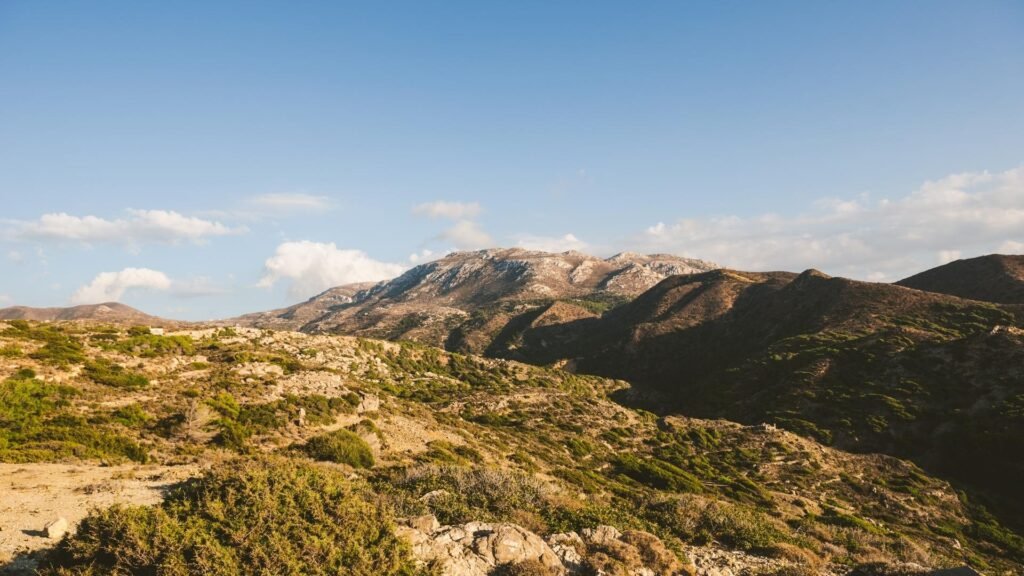
Geographically, Rethymno is located in central Crete, dominated by Mount Ida (Psiloritis), the island’s highest peak. Historically, it reached its zenith during the Venetian Renaissance. An ideal trip length is 5-6 days. It is famous for the Arkadi Monastery, the Preveli Palm Beach, and its vibrant ‘Renaissance Festival.’ The region is also the heart of Cretan folk music, particularly the Lyra, and is known for producing the island’s best olive oil and mountain cheeses.
Top attractions in Rethymno
The Fortezza (Venetian Fortress)
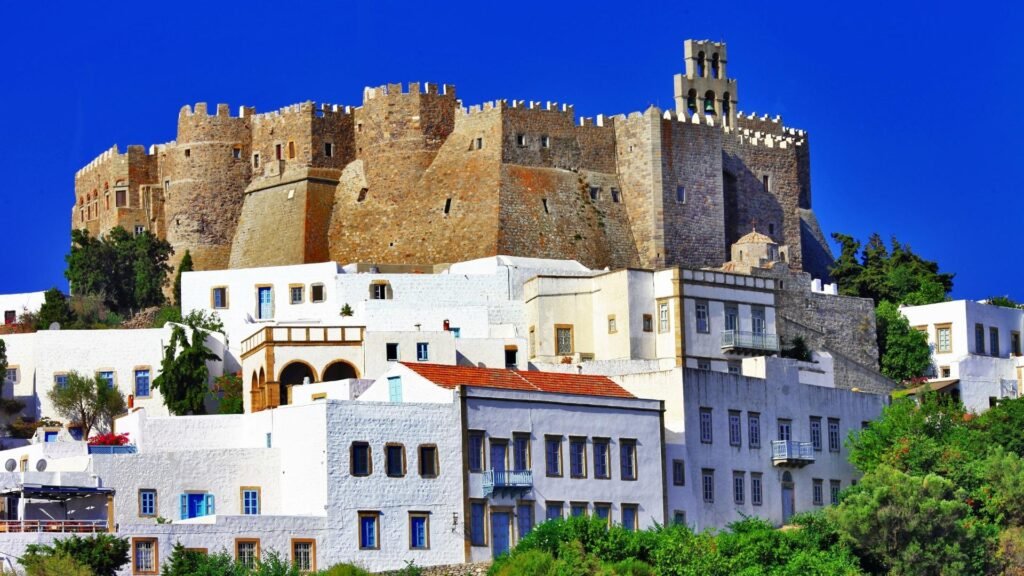
Dominating the city’s skyline, the 16th-century Fortezza is one of the largest Venetian castles ever built. Inside its massive walls, you can explore the Ibrahim Khan Mosque, the small theater, and the bastions that offer an unobstructed view of the Cretan Sea and the Old Town.
The Old Town and Venetian Harbor
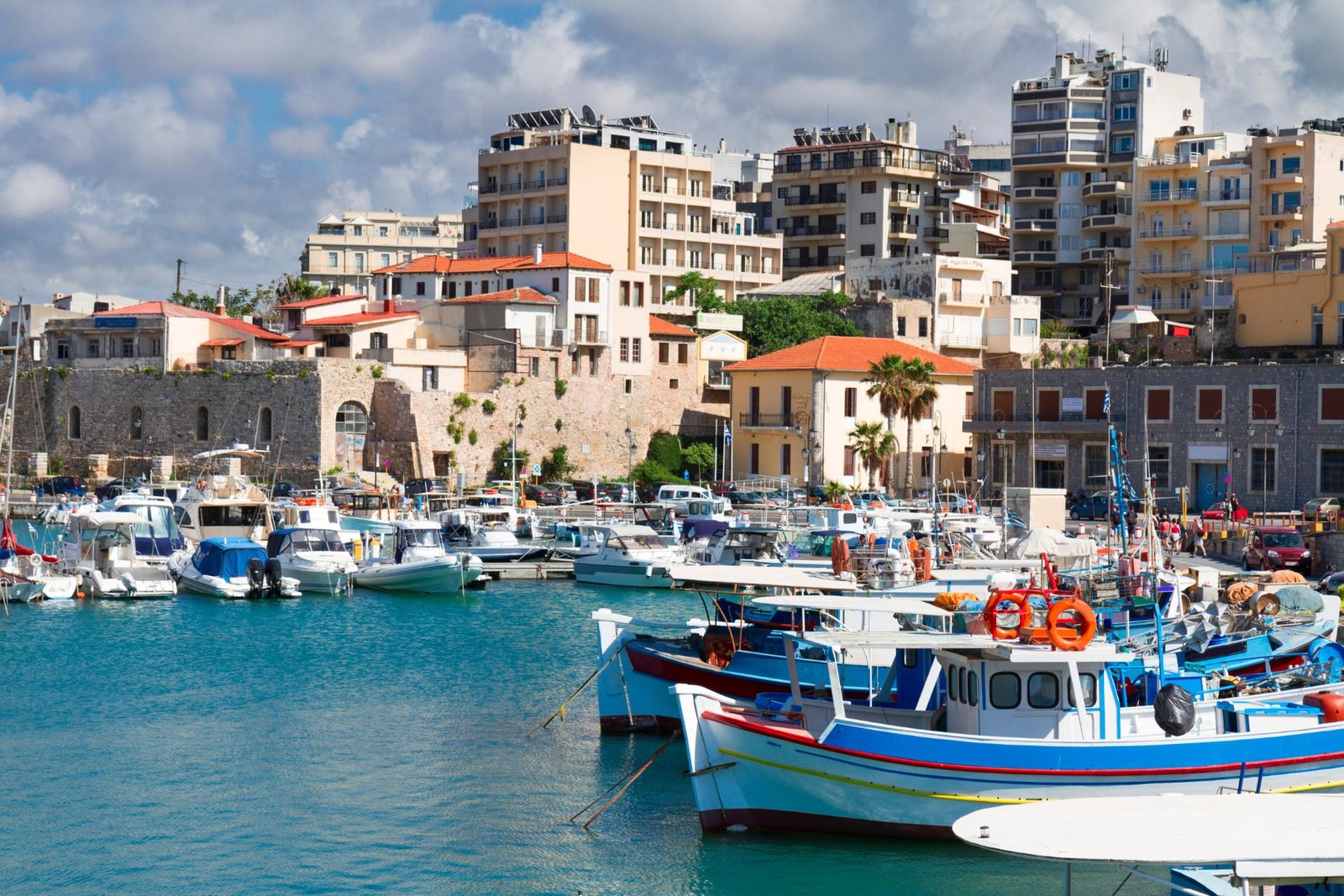
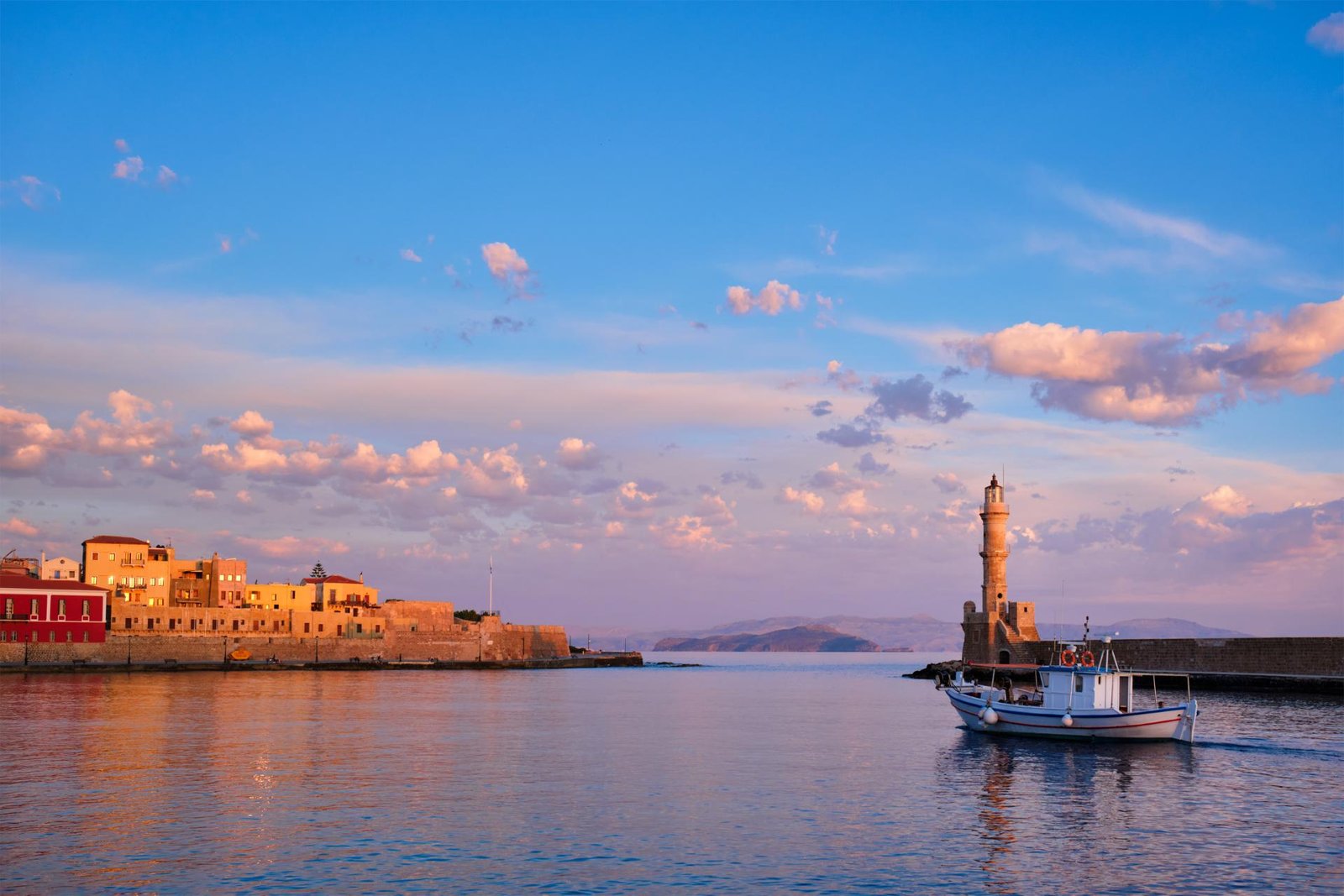
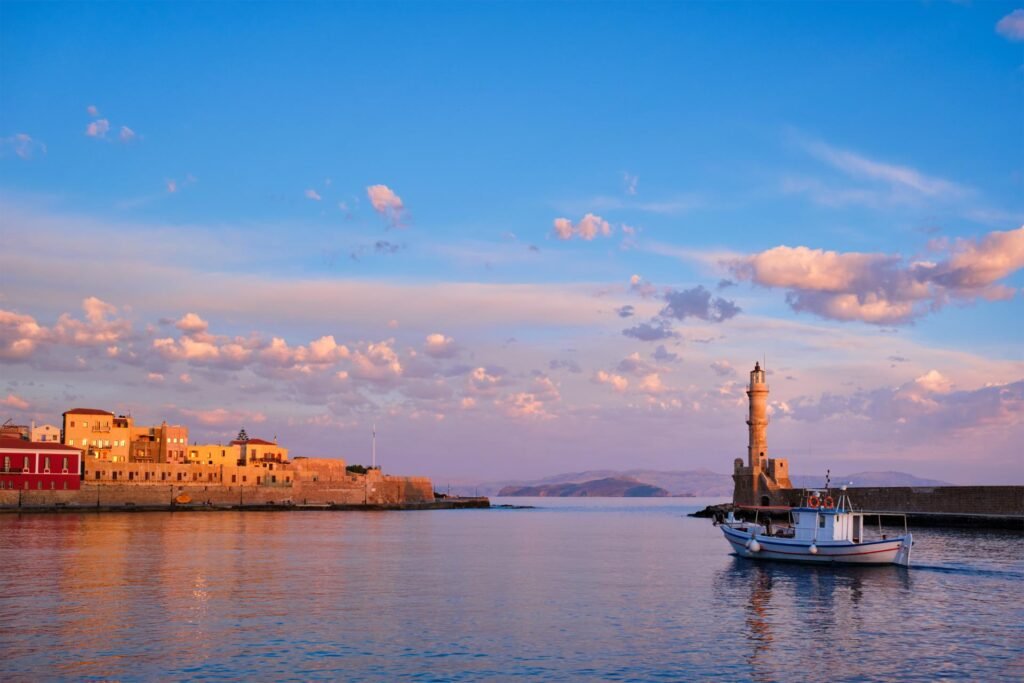
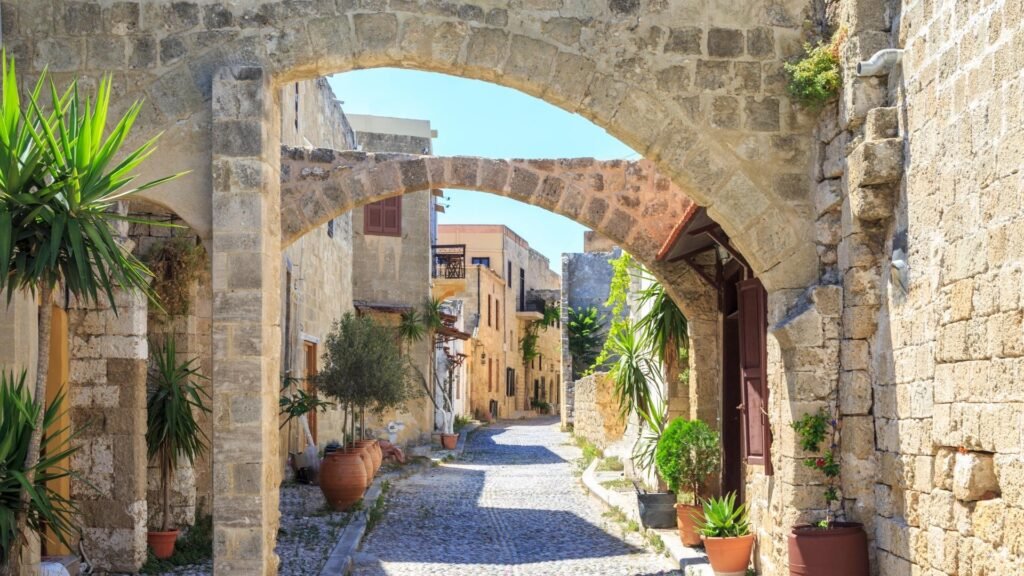
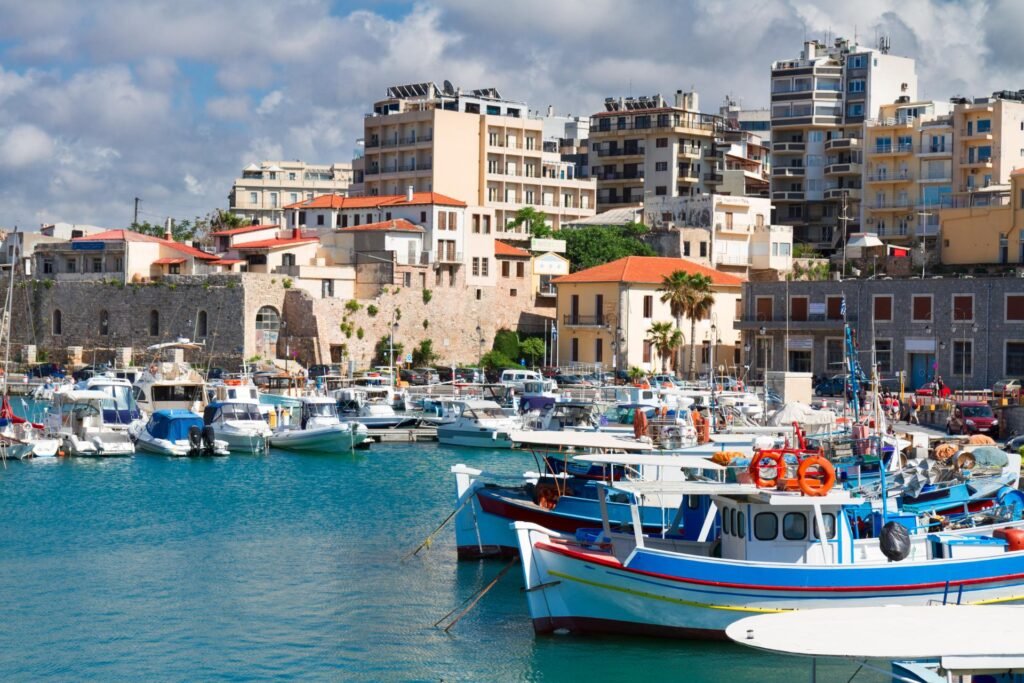
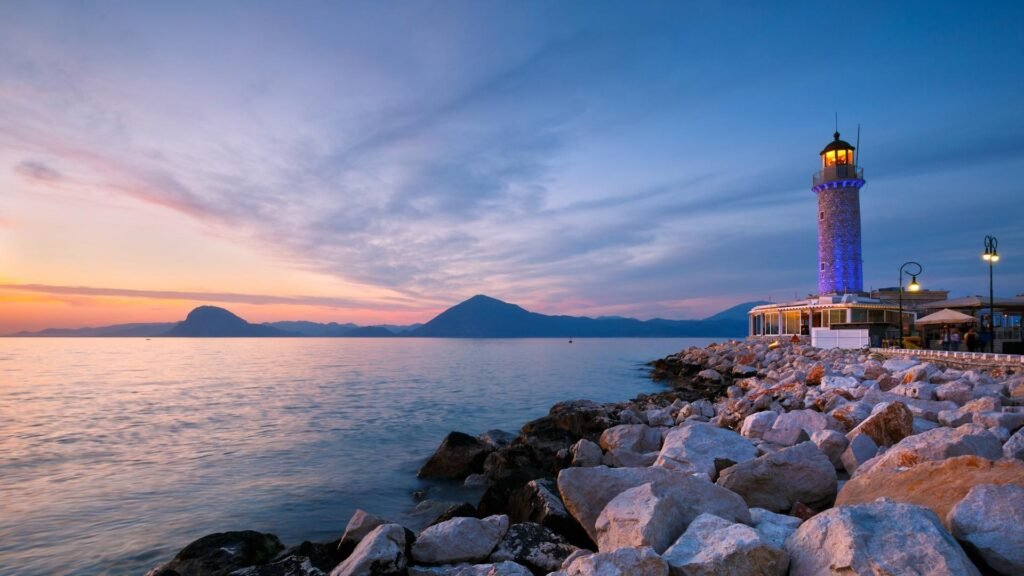
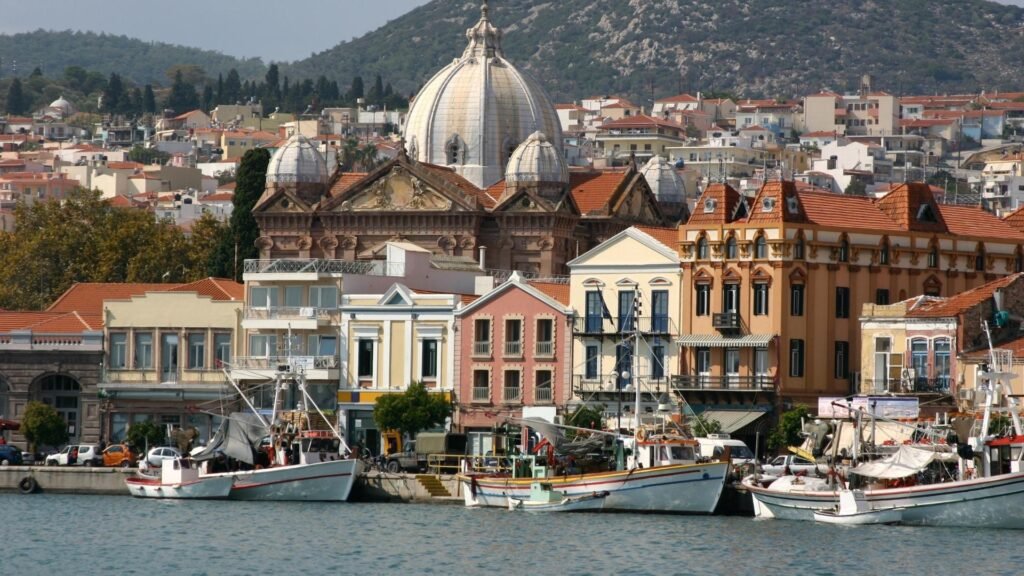
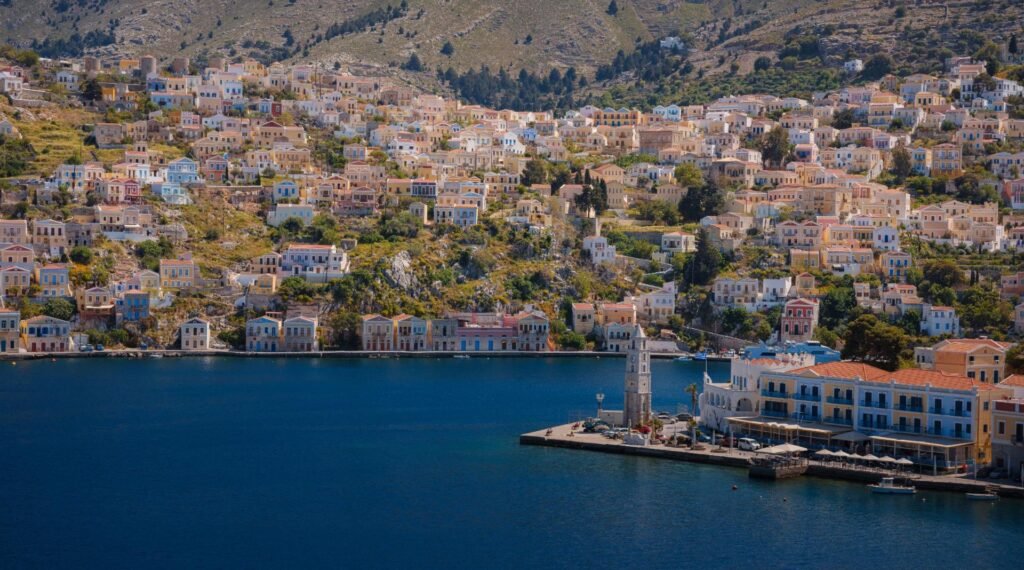
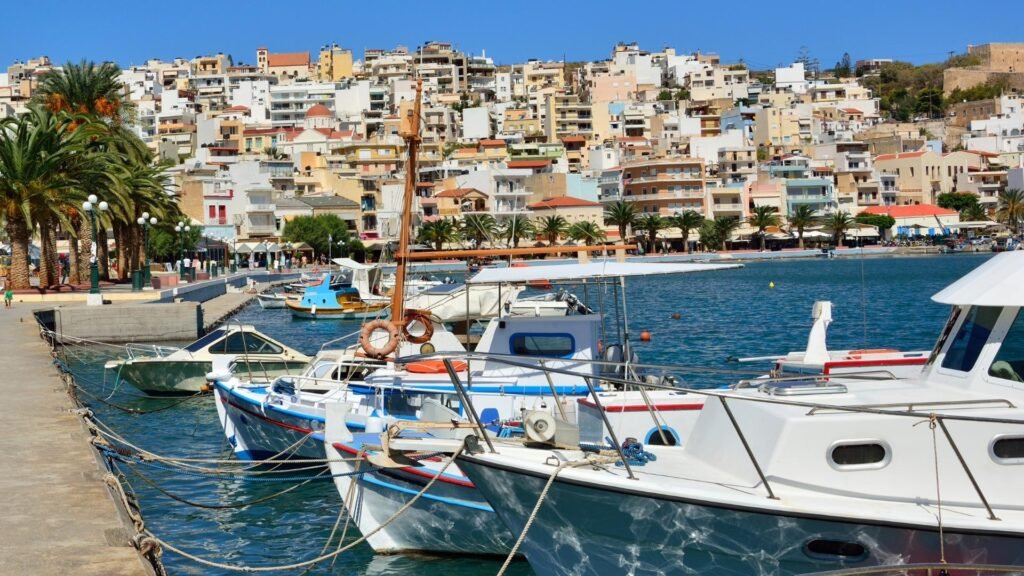
Rethymno’s Old Town is a living museum of Venetian loggias, Ottoman fountains, and narrow stone alleys. The small Venetian harbor, with its 17th-century lighthouse, is lined with traditional taverns and is one of the most picturesque spots in Crete.
Preveli Palm Beach and Monastery
Located on the south coast, Preveli is a unique landscape where the Megalopotamos river meets the Libyan Sea through a forest of Theophrastus palm trees. The nearby historic monastery played a vital role in the resistance during the Battle of Crete.
Arkadi Monastery
The most important national monument in Crete, Arkadi is a symbol of freedom. In 1866, hundreds of Cretans chose to blow themselves up rather than surrender to the Ottomans. The monastery’s facade is a masterpiece of Cretan Renaissance architecture.
The Ideon Cave (Mount Psiloritis)
Located on the slopes of Mount Ida, this is the mythological birthplace of Zeus. It is a massive cave with impressive stalactites and stalagmites and has been a site of pilgrimage since antiquity. The drive through the Nida Plateau to reach it is spectacular.
Rimondi Fountain
Located in the heart of the Old Town, this 17th-century fountain features three lion heads from which water still flows. It was the social center of the city during the Venetian era and remains a beautiful meeting point today.
Bali Village and Beaches
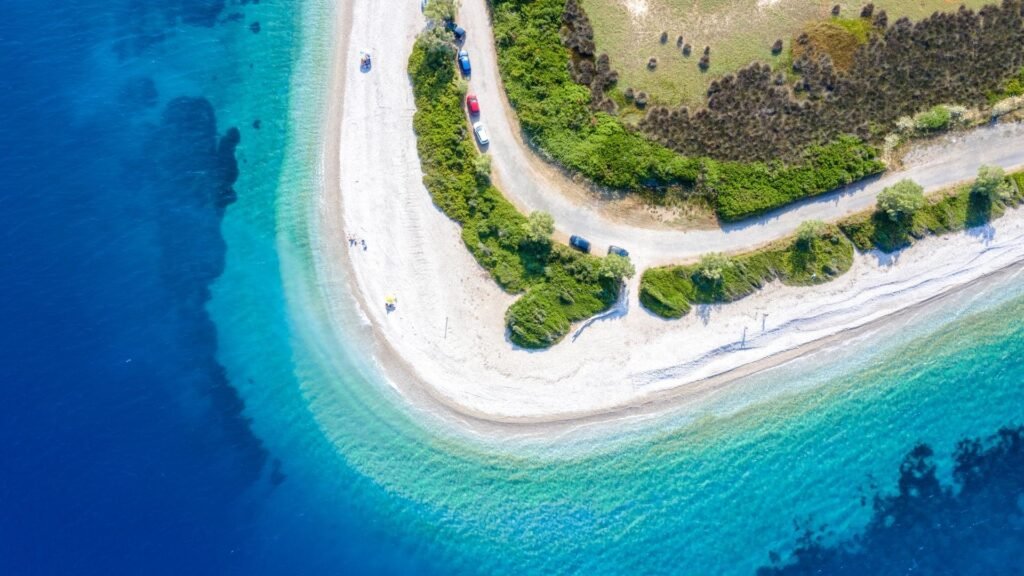
A series of four beautiful, sheltered bays on the northern coast. Bali is a former fishing village that has become a popular resort, offering calm turquoise waters and a relaxed, family-friendly atmosphere surrounded by steep hills.
Spili Mountain Village
A lush, green village located in the interior, famous for its fountain with 25 lion heads that spout fresh mountain water. It is a center for traditional weaving and is the perfect stop on the way to the south coast beaches.
The Neratze Mosque
Originally a Venetian church and later an Ottoman mosque, its tall minaret is the landmark of Rethymno. Today, it serves as a conservatory and cultural center, reflecting the city’s layered history and its love for music.
Argiroupolis (Ancient Lappa)
Built on the site of ancient Lappa, this village is a paradise of springs and waterfalls. It is famous for its massive plane trees and its taverns that serve traditional trout and lamb. The Roman-era ruins and mosaics scattered through the village are a hidden gem.
Island-hopping from Rethymno
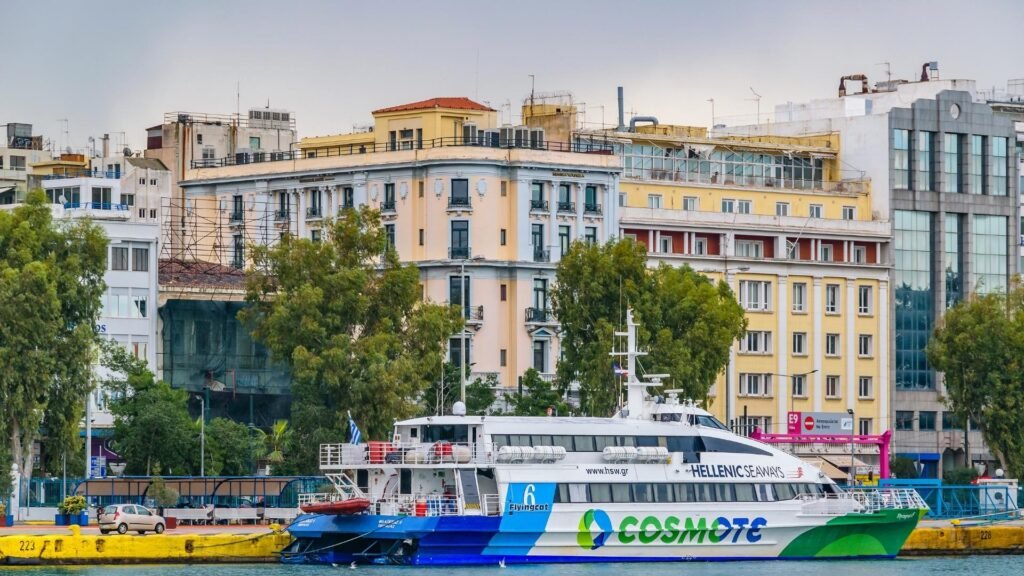
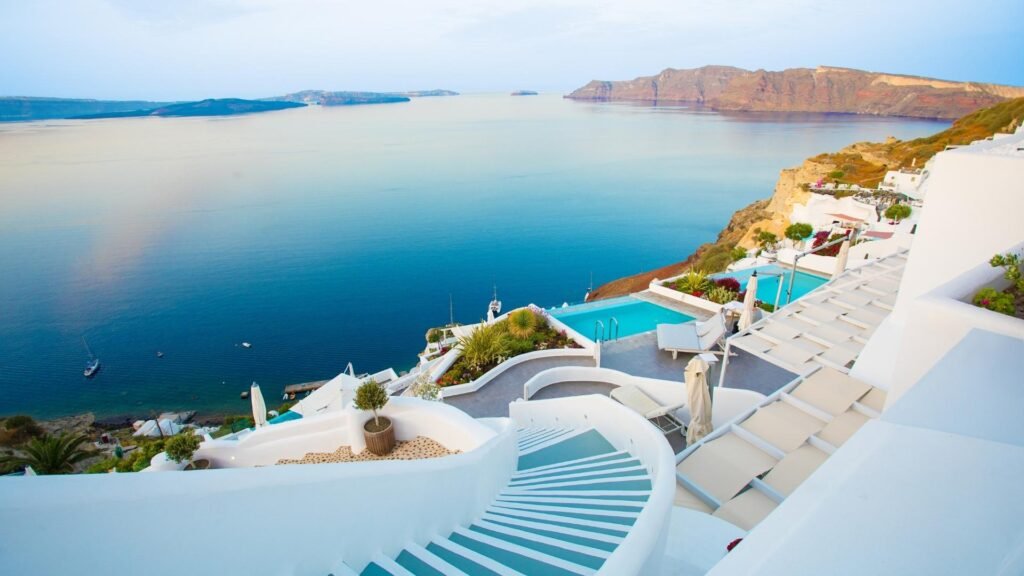
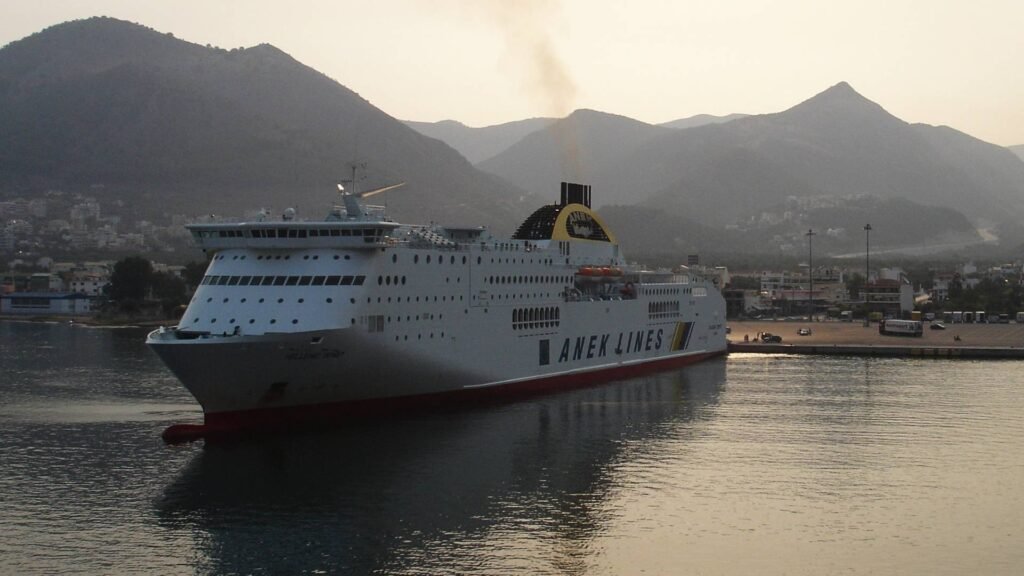
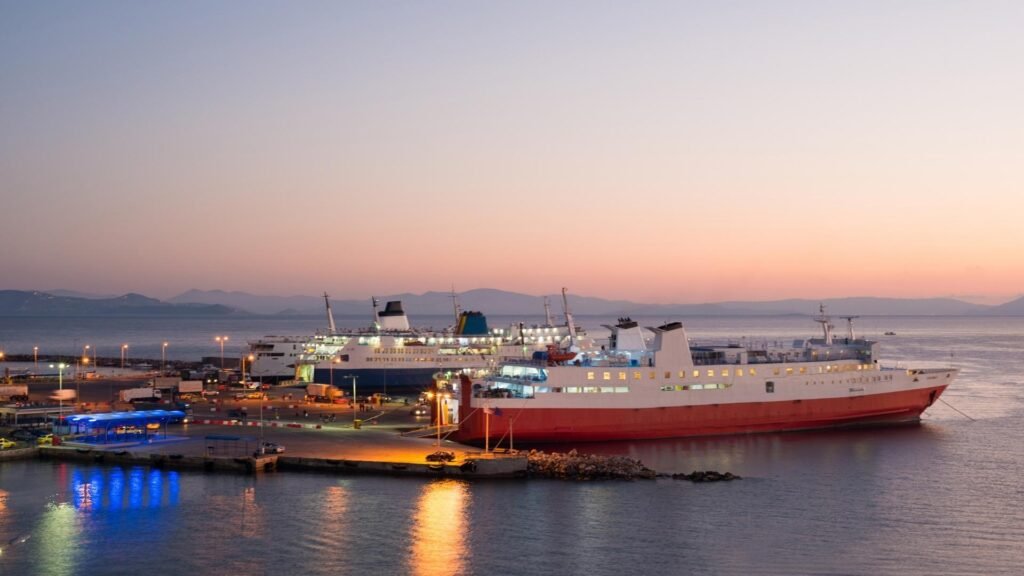
Rethymno has a seasonal ferry connection to Santorini (2 hours), making it a popular choice for dual-destination holidays. Most visitors arrive via the airports of Chania or Heraklion (each about 1 hour away). From the south coast port of Agia Galini, you can take local boats to the uninhabited Paximadia islands, offering a true ‘off-the-beaten-path’ experience.