Rhodes: The Medieval Giant of the Dodecanese
Rhodes is a destination that defies simple categorization. As the largest island in the Dodecanese, it is a mosaic of ancient Greek ruins, formidable Crusader fortresses, Ottoman minarets, and Italian-era grandiosity. Known as the ‘Island of the Knights,’ Rhodes has been a crossroads of civilizations for millennia. In 2026, it remains a premier European destination, offering a sophisticated blend of luxury resorts, rugged mountain villages, and a coastline that ranges from emerald coves to wind-whipped surfing paradises. Whether you are exploring the narrow cobblestones of the Old Town or sunbathing under the shadow of the Lindos Acropolis, Rhodes delivers an experience of unparalleled scale and beauty.
Things to know about Rhodes
Geographically, Rhodes is shaped like a spearhead, located at the southeastern edge of the Aegean, just 18 kilometers from the Turkish coast. Historically, it was world-famous for the Colossus of Rhodes, one of the Seven Wonders of the Ancient World. The island was the base of the Knights of Saint John for over two centuries, leaving behind one of the best-preserved medieval cities in the world. An ideal trip length is 7-10 days to fully grasp its diversity. It is famous for its UNESCO-listed Old Town, the iconic Acropolis of Lindos, its vibrant viticulture, and its status as one of the sunniest places in Europe, averaging over 3,000 hours of sunshine per year.
Top attractions in Rhodes
The Medieval Old Town
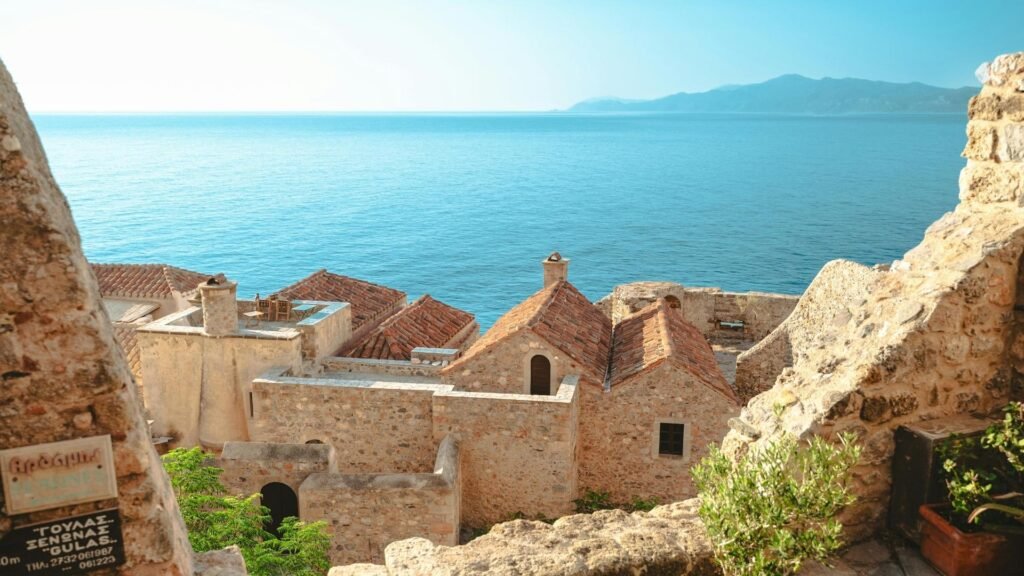
Stepping into the Old Town of Rhodes is like entering a time machine. Enclosed by 4 kilometers of massive stone walls, this UNESCO World Heritage site is a living neighborhood. You can walk the Street of the Knights, where the various ‘tongues’ of the Order had their inns, and marvel at the seamless blend of Gothic and Ottoman architecture. It is the largest inhabited medieval town in Europe, filled with secret courtyards, boutique hotels, and bustling taverns.
Palace of the Grand Master
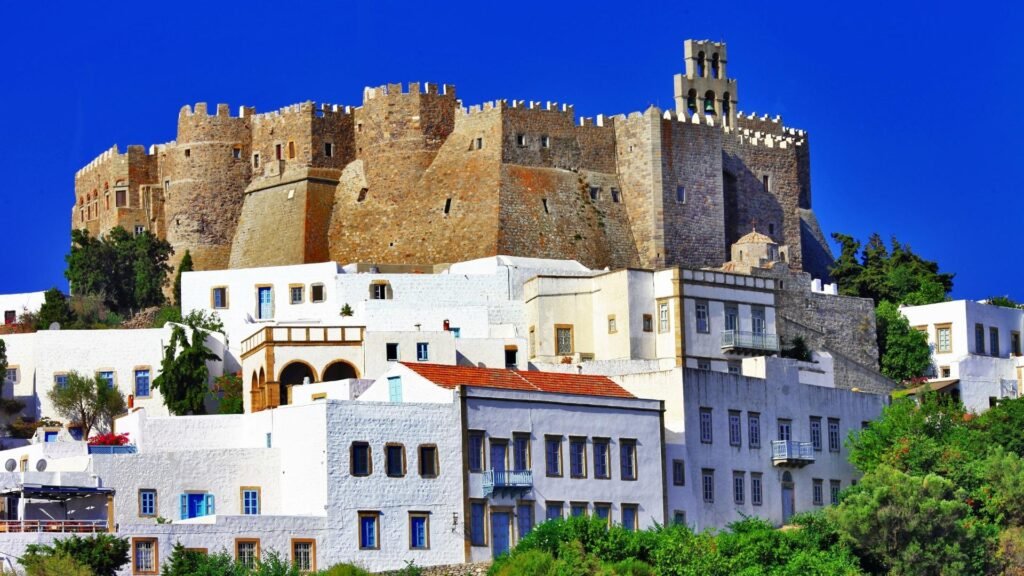
Dominating the highest point of the Old Town, this 14th-century fortress was the administrative center of the Knights Hospitaller. Reconstructed during the Italian occupation in the 1930s, the palace features magnificent mosaic floors brought from Kos, grand halls filled with medieval armor, and impressive towers that offer panoramic views of the harbor and the sea.
The Acropolis of Lindos
Perched on a 116-meter cliff, the Acropolis of Lindos is a spectacular fusion of ancient Greek and medieval fortifications. The Doric Temple of Athena Lindia, dating back to 300 BC, stands in majestic ruin overlooking the turquoise waters of Saint Paul’s Bay. The white-washed village of Lindos, sprawling at the foot of the rock, is a car-free maze of captain’s houses and pebble-paved alleys.
The Valley of the Butterflies (Petaloudes)
This unique natural park is a lush, shaded valley with streams and waterfalls. From June to September, thousands of Panaxia Quadripunctaria butterflies (actually moths) congregate here, attracted by the scent of the Oriental Sweetgum trees. It is a peaceful, magical environment with well-maintained wooden bridges and paths.
Ancient Kamiros
Known as the ‘Pompeii of Greece,’ Kamiros was one of the three powerful ancient cities of Rhodes. Unlike the Acropolis-focused Lindos, Kamiros offers a look at the daily life of ancient Greeks. You can walk through the residential blocks, see the sophisticated water drainage system, and view the foundations of the public market (Agora) and the Temple of Athena.
Prasonisi Beach
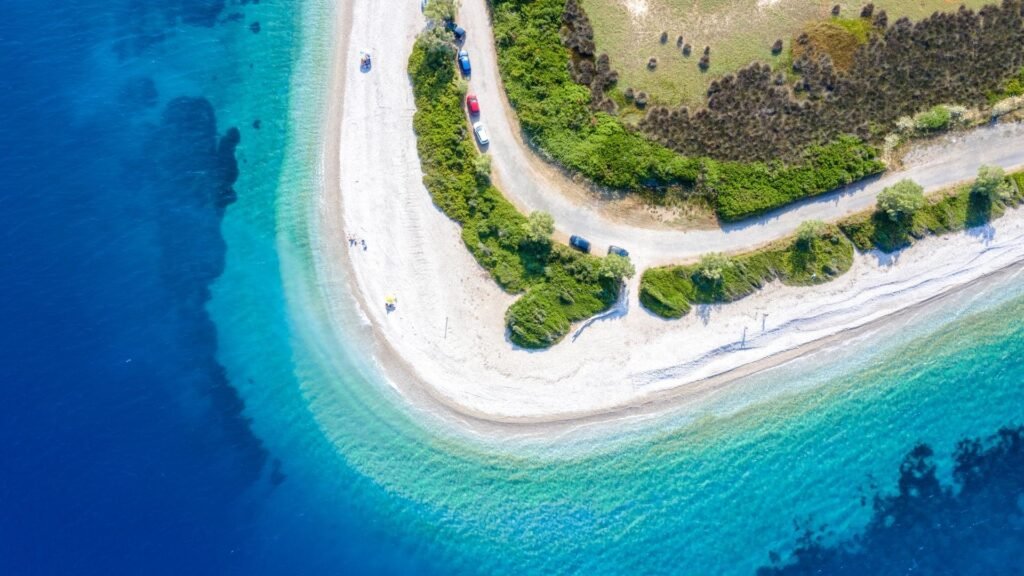
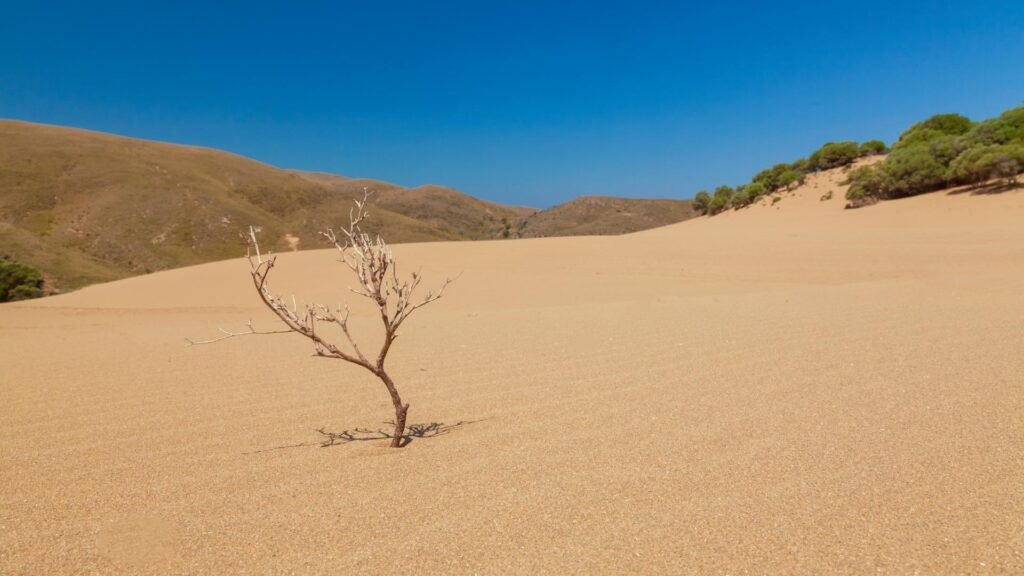
Located at the southern tip of the island, Prasonisi is a geological marvel where two seas meet: the Mediterranean and the Aegean. A narrow strip of sand connects the mainland to a small islet. During high tide, it disappears, turning the islet into an island. It is globally recognized as a premier spot for windsurfing and kitesurfing due to the strong, consistent winds.
Anthony Quinn Bay
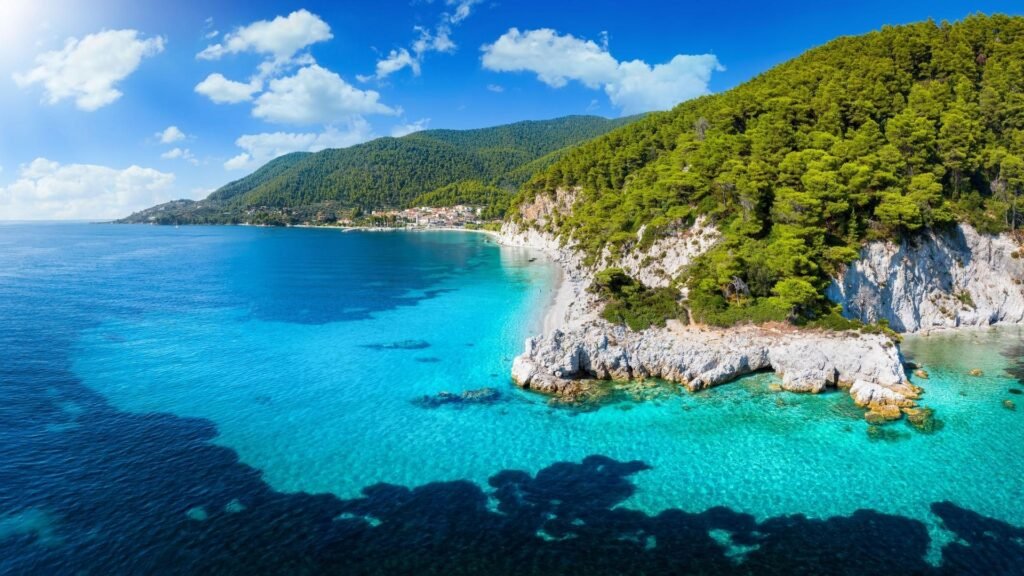
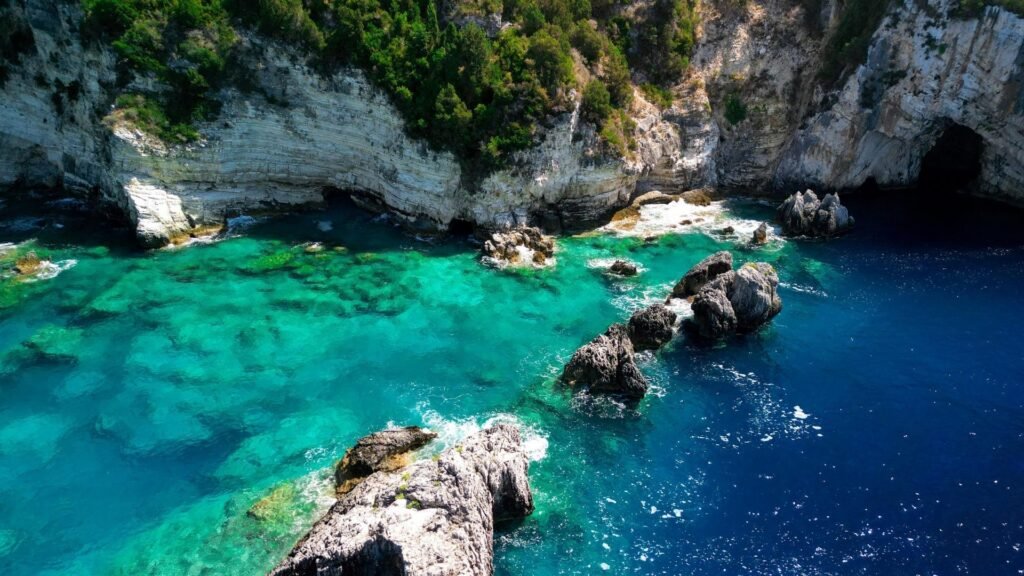
Named after the actor who fell in love with Rhodes while filming ‘The Guns of Navarone,’ this bay is famous for its emerald-green water and sharp rock formations. It is widely considered the most beautiful swimming spot on the island, ideal for snorkeling and diving among the underwater crevices.
Seven Springs (Epta Piges)
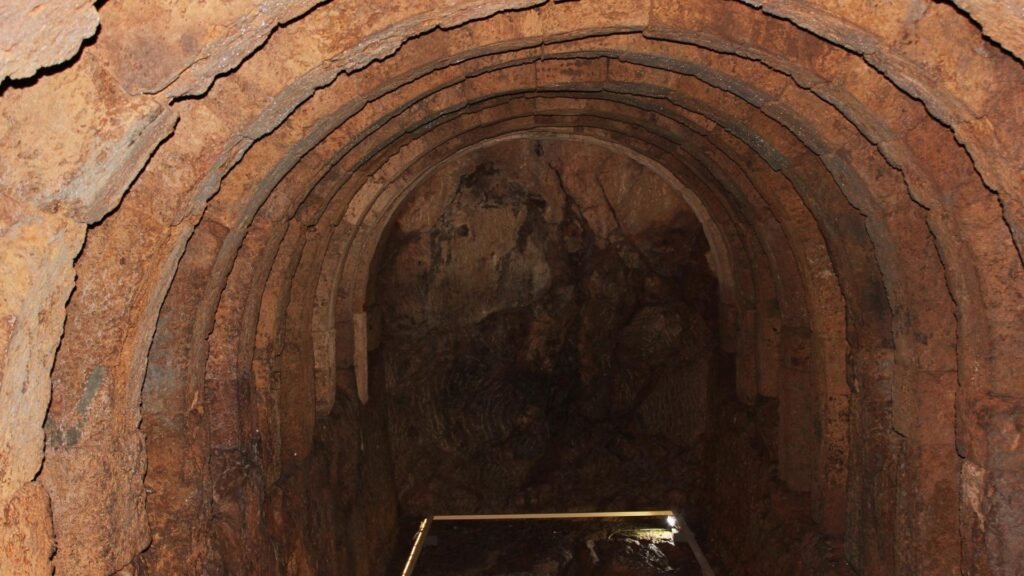
A cool, green oasis in the interior of the island, Seven Springs features water flowing into a small lake through a narrow, 186-meter dark tunnel. Adventurous visitors can walk through the tunnel in ankle-deep water to reach the lake, which is home to rare species of fish and peacocks.
Monolithos Castle
The ruins of this 15th-century Venetian castle sit atop a 100-meter isolated rock. It was once considered one of the most impregnable fortresses on the island. The climb is rewarded with a stunning view of the wild western coastline and the islands of Halki and Alimia on the horizon.
Tsambika Monastery and Beach
The monastery sits high on a hill and is famous for its icon believed to help women conceive. After climbing the 300 steps to the chapel, you can head down to Tsambika Beach, a vast stretch of fine golden sand and shallow water that is arguably the best family beach on the island.
Island-hopping from Rhodes
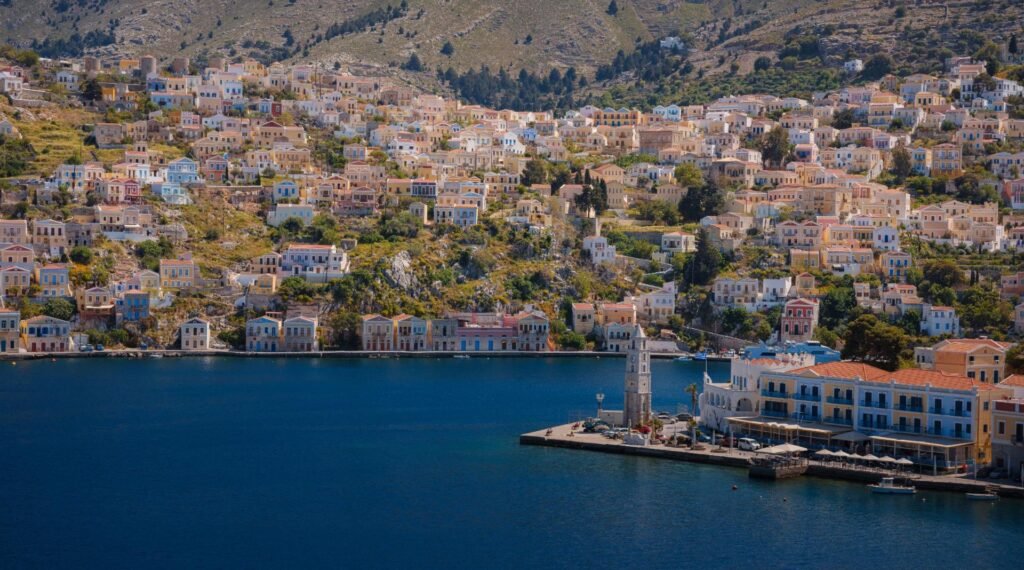
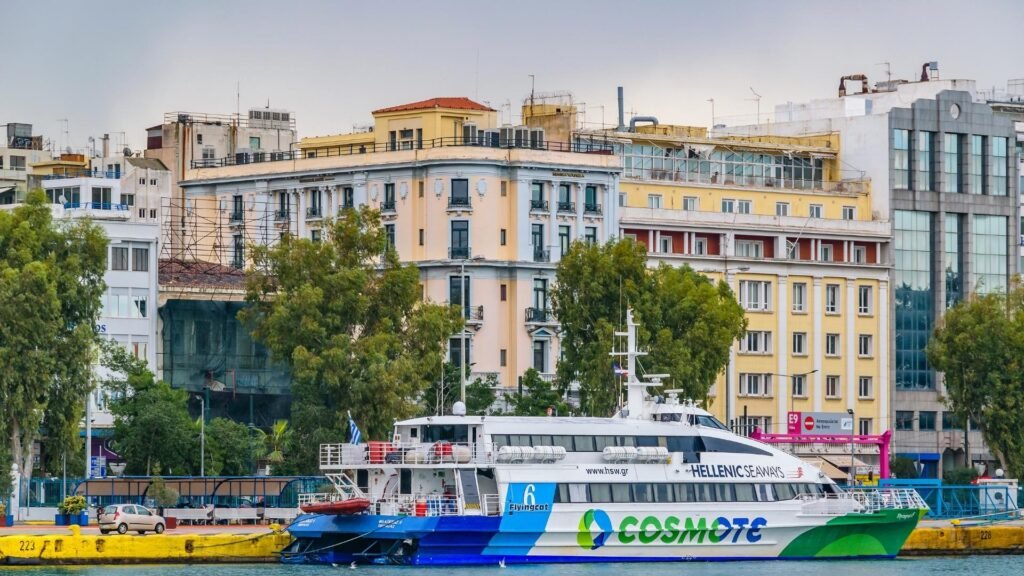
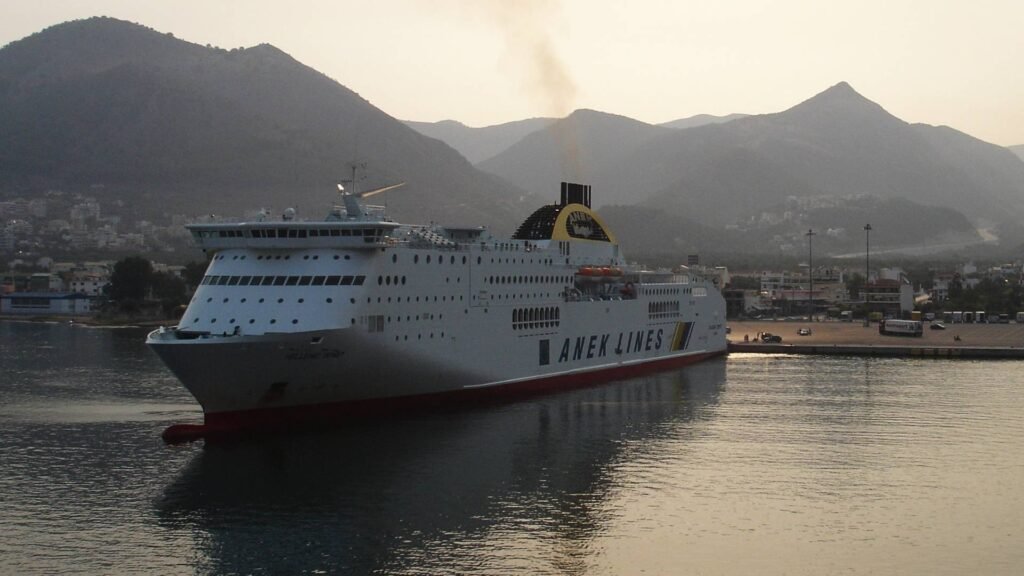
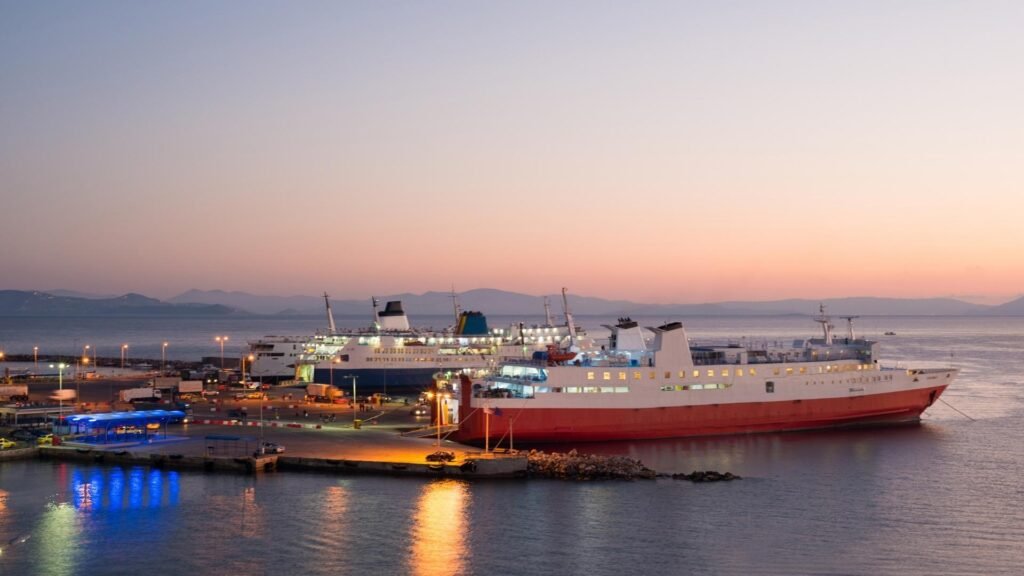
Rhodes is the primary transportation hub of the Dodecanese. Its main port, Mandraki, and the commercial port serve daily ferries to Symi (1 hour), Kos (2-3 hours), and Karpathos (3.5 hours). It is also well-connected to Crete (Sitia/Heraklion) and Piraeus. Daily international ferries link Rhodes to Marmaris and Fethiye in Turkey. Rhodes International Airport (RHO) is the fourth busiest in Greece, offering direct flights to Athens, Thessaloniki, and nearly every major European city, making it the perfect gateway for a multi-island Dodecanese adventure.